


-
 Redaction
Bridging the rift: The psychology of generation gaps
Explore the psychological impact of generational conflict, from stress and burnout to intergenerational trauma and the breakdown of social cohesion in society.
Understanding generational friction
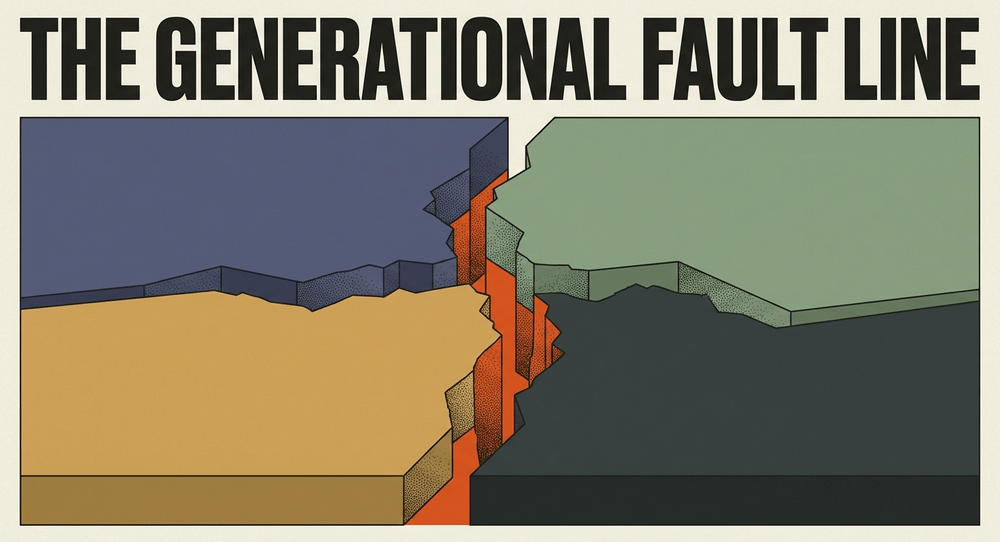
Deep beneath the surface of everyday interactions lies a complex web of clashing values and lived experiences. Generational conflict is not merely a matter of differing tastes in music or fashion - it is a profound psychological phenomenon rooted in the specific historical, economic, and social environments that shape each of us during our formative years.
Today, four distinct generations - Baby Boomers, Gen X, Millennials, and Gen Z - interact simultaneously in the workplace and at home, each carrying a different psychological framework and set of expectations. Researchers sometimes describe this as a difference in "generational contracts" - the unspoken assumptions each cohort formed early in their working lives about what effort should buy them. A Boomer raised to believe loyalty guarantees security holds a fundamentally different contract than a Gen Z employee who came of age during a recession, a pandemic, and a housing crisis. This coexistence creates persistent tension that influences mental health outcomes across the entire population.
While the phrase generation gap was coined decades ago, the modern version of this divide is accelerated by rapid technological shifts, the rise of workplace AI, and a volatile global economy. These forces do more than create misunderstandings - they actively reshape the landscape of emotional well-being. By examining the psychological impact of these clashes in depth, we can begin to understand why the rift keeps widening, and what that means for the future of social cohesion.
The burden of burnout: a generational crisis
One of the most visible markers of generational tension is the disproportionate level of stress reported by younger cohorts. Gen Z and younger Millennials are navigating a psychological landscape far more treacherous than that of their predecessors - and the data bears this out clearly.
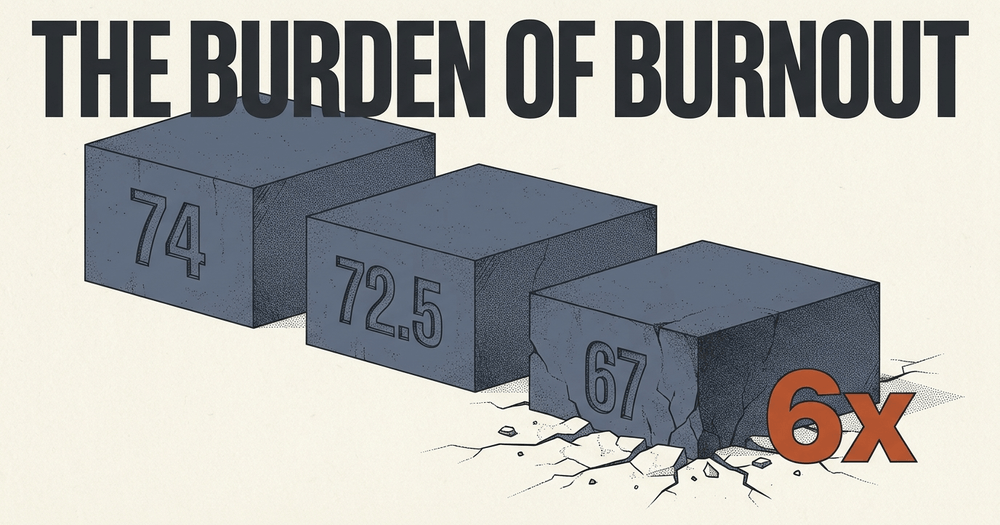
A staggering 68% of Gen Z and younger Millennial employees report feeling stressed a lot of the time. This cannot be dismissed as generational fragility. In high-pressure environments such as healthcare, the disparities become even sharper: research on nursing staff found that Millennials were six times more likely to experience overall burnout compared to Boomers, and three times more likely than Gen X to reach a state of total emotional exhaustion.
Newer workplace research adds a striking confirmation of this pattern from outside the healthcare sector. A 2026 study from the O.C. Tanner Institute, which surveyed thousands of employees across seventeen countries, found that poor communication and collaboration stemming from generational conflict is associated with a sixfold increase in the odds of employee burnout. That figure lines up almost exactly with what nursing researchers have documented for years, suggesting this isn't a quirk of one profession - it's a structural feature of how mismatched generational expectations translate into psychological strain wherever they occur.
This burnout is the compounded result of high expectations, rising costs of living, and persistent economic uncertainty. When younger workers perceive that their effort no longer leads to the stability their predecessors enjoyed, the resulting psychological strain manifests as chronic fatigue, disengagement, and a loss of professional purpose - a rational response to a system that has shifted the goalposts.
The role of digital overload
For younger generations, the world is always on. Constant connectivity has erased the psychological reprieve once found in the transition from work to home. The expectation of immediate availability, combined with the curated perfection of social media, creates a relentless feedback loop of inadequacy and anxiety.
Older generations, who built their careers and personal habits before the ubiquitous smartphone, often frame this digital immersion as a choice rather than a structural condition of modern professional life. That misreading is itself a source of conflict - and of invalidation. What reads as poor boundaries to a Baby Boomer may be an inescapable professional reality for someone in their late twenties.
The arrival of workplace AI has added a new and largely unstudied layer to this dynamic. Some employees now use AI tools to move faster and lighten their cognitive load, while others resist or barely touch them - and that split is beginning to generate friction of its own, on top of the friction that already existed between generations. Research groups tracking this shift estimate the resulting fragmentation costs organizations tens of billions of dollars annually in lost productivity, a figure that speaks less to laziness or resistance and more to how poorly most companies have managed the human side of technological change.
The measurable decline in mental well-being
Longitudinal data points to a specific and concerning decline in the baseline mental health of younger populations. This is not anecdote - it is a statistical reality backed by population-level research.
The MHI-5 score (Mental Health Index, scaled 0-100) reveals a clear generational downward trend in well-being at age 30:
- Born in the 1970s: average score of 74
- Born in the 1980s: average score of 72.5
- Born in the 1990s: average score of just 67
This decline is driven primarily by rising rates of Major Depressive Disorder (MDD) and Generalized Anxiety Disorder (GAD). While the COVID-19 pandemic acted as a powerful accelerant, the underlying vulnerability existed long before 2020. Younger cohorts reported a significantly greater increase in symptoms during the crisis compared to Gen X and Baby Boomers - indicating that the psychological foundations of younger generations are more susceptible to external shocks, compounded by the unique pressures they carry daily.
Loneliness as a generational marker
Perhaps counterintuitive to popular assumptions about isolated elders, loneliness research consistently places Gen Z at the top of the loneliness curve, not the bottom. Large-scale surveys conducted by Cigna and other research bodies have repeatedly found that Gen Z reports higher rates of chronic loneliness than Millennials, who in turn report higher rates than Gen X and Baby Boomers - despite being, on paper, the most digitally connected generation in human history.
This is not a contradiction so much as a clarification of what connection actually requires. Hyperconnectivity through screens appears to correlate with, rather than resolve, feelings of isolation. Clinically, this tracks with what many of us observe in practice: the presence of digital contact does not reliably produce the sense of being known that protects against loneliness. A young person can have hundreds of online relationships and still lack the one or two people they would call at 2 a.m. in a crisis. That gap between contact and connection is, in itself, a quiet driver of the broader generational mental health decline documented above.
Maladaptive coping and the search for relief
When chronic stress becomes unmanageable, individuals reach for short-term relief strategies that carry long-term costs. Recent studies show that Gen Z and Millennials have exhibited a marked increase in the use of alcohol and sleep aids to manage internal distress. These behaviors provide temporary relief while deepening the cycle of anxiety and depression.
The growing reliance on chemical aids to regulate sleep and mood is not a moral failing - it is a signal of systemic under-support. It points to a structural failure in how these generations are held socially, medically, and institutionally. Encouragingly, younger generations also appear more willing to seek formal help than their elders: recent workforce data shows Gen Z employees pursue professional therapy at more than twice the rate reported by Baby Boomers. That willingness to name distress and seek support, rather than mask it, may be one of the more hopeful threads running through an otherwise difficult picture.

How generational conflict shows up in everyday life
Generational friction does not always announce itself loudly. It often surfaces in subtler patterns that, left unaddressed, calcify into lasting harm:
- An eye roll at a younger colleague's request for flexible working hours
- A dismissive "you have no idea how hard things were" in response to a teenager's stress
- A senior employee quietly sidelined because they struggle with a new platform
- A young adult who stops calling home because every conversation ends in criticism
These moments are individually small. Cumulatively, they erode trust, deepen resentment, and damage mental health across the full age spectrum.
Family dynamics and the cost of invalidation
Within the domestic sphere, generational conflict frequently takes the form of emotional invalidation. Younger individuals report feeling dismissed by older family members who label them as too sensitive or entitled. This creates an environment where emotional expression is met with ridicule rather than empathy - producing a deep-seated sense of self-doubt and alienation that can persist well into adulthood.
The cycle of resentment
This dynamic is not one-sided. Older generations frequently feel disrespected and quietly rendered irrelevant as cultural norms shift beneath them. When life experience and hard-won wisdom are treated as obsolete, resentment takes root - and emotional withdrawal often follows.
The cost of this fracture is substantial. When trust and warmth erode within a family, the unit ceases to function as a genuine support network. Rising rates of family estrangement are among the clearest symptoms. For older adults, the loss of family connection in later life is directly associated with increased isolation, reduced cognitive resilience, and accelerated decline. The generational standoff ultimately damages everyone within it.
Impact on adolescent development
For teenagers, the stakes are especially high. Intergenerational conflict is a strong predictor of adolescent depression, and households with high levels of unresolved tension see significantly elevated rates of anxiety and behavioral problems in children.
Critically, the damage is not limited to active arguments. Research indicates that maternal stress during pregnancy can increase a child's risk for mental health disorders - meaning the environment of conflict begins to shape developing nervous systems before birth. The emotional climate of the home echoes forward across entire lifetimes. This same principle - that unresolved emotional strain can leave a biological imprint well before conscious memory even forms - is closely related to how mirror neurons and emotional contagion shape empathy from infancy onward, long before a child has the language to describe what they're absorbing from the adults around them.

The shadow of intergenerational trauma
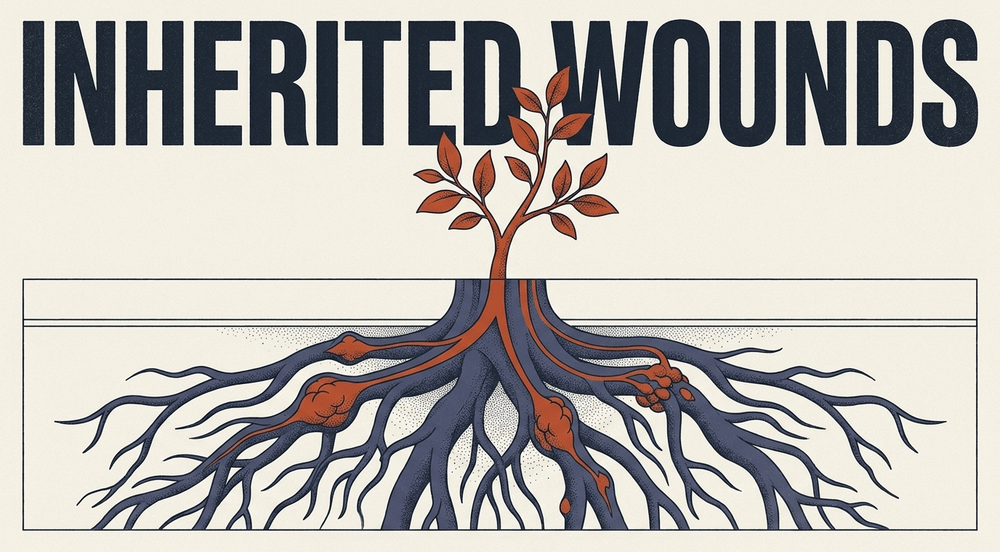
Perhaps the most complex dimension of generational conflict is the transmission of psychological wounds across generations - a phenomenon known as transgenerational trauma. This is not simply about learned behaviors. It suggests that the unresolved grief, fear, and hypervigilance of one generation can be passed to their descendants in both psychological and biological form.
This pattern is well-documented in populations that have survived war, genocide, systemic oppression, or severe economic collapse. Research shows that descendants of trauma survivors often exhibit emotional and behavioral responses closely mirroring those of their ancestors, even without any direct experience of the original events. Parental PTSD is one of the strongest predictors of these inherited responses.
Most remarkably, recent biological research has identified physiological changes in stress regulation and brain structure in the descendants of trauma survivors - evidence that unresolved trauma can be biologically embedded. When a young person struggles with anxiety they cannot fully explain, they may, in part, be carrying the unresolved grief of parents or grandparents who never had the language or space to process their own pain.
"The unresolved grief, fear, and hypervigilance of one generation can be passed to their descendants in both psychological and biological form."
Identity conflicts in professional spaces
The modern workplace is a primary arena for generational collision, and the psychological consequences are real on all sides. Younger professionals frequently feel intense pressure to conform to traditional corporate norms they find restrictive, ethically misaligned, or simply irrelevant. This sustained suppression of authenticity contributes to low self-esteem, quiet disengagement, and what organizational researchers increasingly describe as identity erosion - the gradual loss of self that comes from performing a professional identity that doesn't fit.
On the other side of the desk, older employees may feel displaced by new technologies and shifting cultural expectations. The experience of being quietly treated as irrelevant is a significant, and underreported, contributor to late-career depression.
It's worth noting that this friction is not, in itself, evidence of a broken workplace - it's evidence of an unmanaged one. Organizational research from 2026 introduces a useful concept here: generational synergy, defined as the degree to which different age cohorts actively learn from and leverage one another rather than simply tolerating each other's presence. Only about one in four employees currently report experiencing this kind of synergy at work, which helps explain why so much generational friction goes unresolved - most organizations have never built the structures needed to convert difference into collaboration.
Generational communication styles at work
Much of the daily friction in professional settings stems from fundamentally different - but equally legitimate - communication preferences:
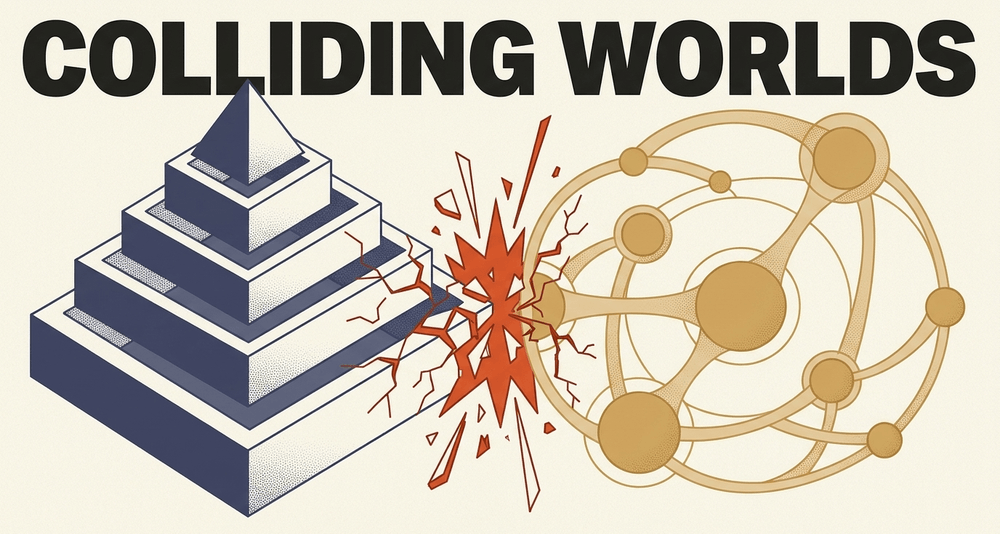
- Baby Boomers and Gen X often favor direct, formal, hierarchical communication and value seniority as a marker of authority
- Millennials and Gen Z tend to prefer transparent, collaborative, digital-first exchanges that prioritize psychological safety over hierarchy
The failure is rarely the style itself - it is the refusal to treat the other style as legitimate. That refusal is where misunderstanding hardens into resentment.
Interestingly, when older and younger employees are given structured opportunities to teach each other - a Gen Z employee walking a colleague through a new software tool, a Gen X manager offering guidance on navigating office politics - both groups tend to report the exchange as genuinely valuable. Data scientists at O.C. Tanner's research institute found that when this kind of mutual mentoring becomes part of everyday team culture, employees report far greater odds of feeling technology actually helps them connect with their team, rather than replacing that connection altogether. The lesson is a simple one: proximity without structure breeds friction, but structured exchange breeds trust.
The erosion of social cohesion
Beyond the individual and the family, generational conflict carries serious implications for society as a whole. When trust erodes between age groups, civic life suffers. Younger generations may struggle to trust institutions, older leaders, or the democratic processes that older cohorts have historically shaped - particularly in societies where those decisions have produced lasting consequences for the young.
What we are increasingly seeing is not healthy intergenerational debate but accelerating age-segregation in social life. When generations stop meaningfully interacting, they become caricatures of one another in each other's imaginations. Stereotypes solidify, empathy erodes, and the collective capacity for problem-solving diminishes - precisely at the moment it is most urgently needed.

Moving toward reconciliation
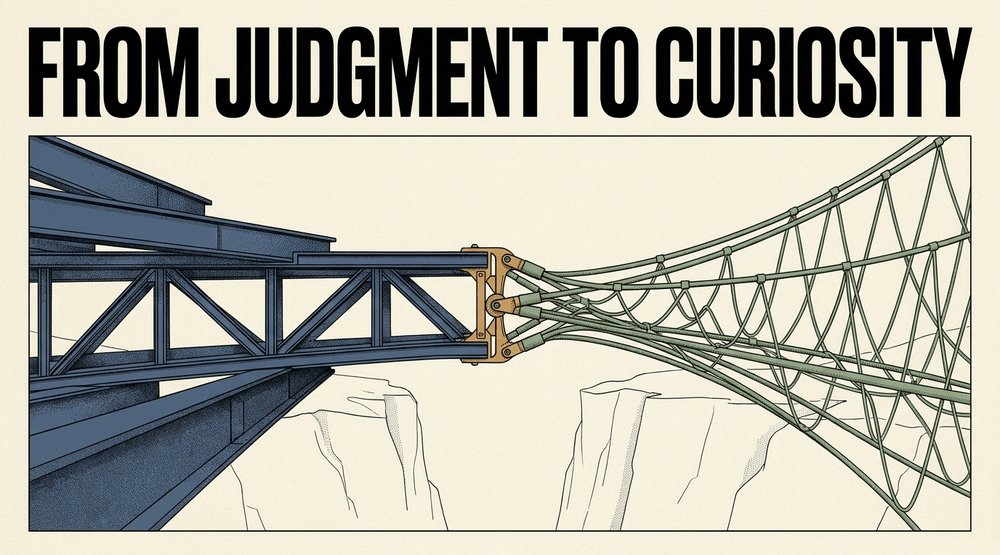
Healing the psychological wounds of generational conflict requires a fundamental shift - from judgment to curiosity. Understanding the forces that shaped a different worldview is not the same as agreeing with it. But it is the prerequisite for any genuine repair.
Younger generations benefit from understanding the historical pressures - scarcity, social instability, stoic cultural norms - that produced the emotional restraint of their elders. Older generations benefit from recognizing that the sensitivity and digital integration of the young are adaptive responses to a genuinely more demanding world, not signs of weakness or entitlement.
Practical steps toward reconciliation include:
- Creating structured spaces for open, non-judgmental intergenerational dialogue - in homes, workplaces, and communities
- Validating different life experiences without ranking or comparing their difficulty
- Addressing the structural economic drivers of generational inequality - housing, job security, education costs, retirement access
- Implementing workplace policies that respect diverse communication styles and protect work-life boundaries for employees at every stage
- Integrating trauma-informed approaches in family therapy, organizational culture, and community health services
- Building cross-generational mentoring into everyday team structures, rather than treating it as a one-off training exercise
In clinical settings, I've seen this shift happen in small, unglamorous moments - a father who finally asks his adult daughter why she needs a flexible schedule instead of assuming laziness, a young employee who starts asking a senior colleague what their early career actually looked like. Neither conversation resolves generational conflict on its own. But repeated enough times, across enough households and workplaces, they are precisely the mechanism by which the rift begins to close.
The goal is not to erase generational difference - it is to ensure those differences are understood clearly enough that they stop generating unnecessary suffering. The generations that follow deserve a social inheritance built on something more durable than resentment.
Frequently asked questions
What causes generational conflict in families?
Generational family conflict most often stems from differing values, communication styles, and lived experiences. Emotional invalidation - older members dismissing younger ones as too sensitive, or younger members treating elders' experience as obsolete - is among the most psychologically damaging patterns and one of the hardest to interrupt without deliberate effort.
How does intergenerational trauma affect mental health?
Transgenerational trauma can alter stress regulation, behavioral patterns, and even brain structure across generations. Children and grandchildren of those who survived war, poverty, displacement, or systemic oppression may carry anxiety and hypervigilance rooted in a family history they never lived directly - but whose effects they experience every day.
Why is Gen Z more stressed than previous generations?
Gen Z faces a combination of pressures that have no clear precedent: digital overload, economic instability, climate anxiety, social media-amplified comparison, and the erosion of traditional career and life-stage milestones - all arriving simultaneously during the most psychologically formative period of life.
Why is Gen Z the loneliest generation despite being the most connected?
Digital connection and genuine emotional connection are not the same thing. Gen Z spends more time in mediated, screen-based interaction than any previous generation, yet research consistently shows they report the highest rates of chronic loneliness. The quantity of contact appears to matter far less than its depth - a pattern that helps explain why hyperconnectivity and isolation can rise together rather than cancel each other out.
Can generational conflict be resolved?
Yes - through intentional dialogue, genuine mutual curiosity, and structural changes that address the underlying inequalities fueling resentment. Research consistently supports intergenerational dialogue programs as effective tools for reducing conflict, building empathy, and strengthening community cohesion.
What is the difference between generational conflict and intergenerational trauma?
Generational conflict refers to friction arising from differing values and expectations between age groups. Intergenerational trauma is a distinct - and deeper - phenomenon in which the unresolved psychological wounds of one generation are transmitted, both behaviorally and biologically, to the next. The two often coexist and amplify each other.
Share now









Key takeaways
- 68% of Gen Z and younger Millennial employees report feeling stressed frequently - a rate significantly higher than older generations
- Millennials in high-stress professions such as nursing are six times more likely to experience burnout compared to Baby Boomers, and three times more likely than Gen X
- A 2026 workplace study across 17 countries found generational conflict and poor cross-generational communication are linked to a sixfold increase in employee burnout odds
- Mental health scores (MHI-5) show a steady generational decline: those born in the 1990s averaged 67 out of 100 at age 30, compared to 72.5 for those born in the 1980s and 74 for those born in the 1970s
- Despite being the most digitally connected generation in history, Gen Z consistently reports the highest rates of chronic loneliness of any age group
- Intergenerational trauma involves both psychological and biological transmission of stress - research has identified physiological changes in stress regulation and brain structure in descendants of trauma survivors
- Unresolved conflict within families is a primary driver of adolescent depression, anxiety, and long-term estrangement, with effects that can begin before birth through maternal stress
- During the COVID-19 pandemic, younger generations reported a significantly greater increase in mental health symptoms than Gen X or Baby Boomers, suggesting greater underlying vulnerability
- Only about 1 in 4 employees report experiencing genuine "generational synergy" - active cross-age collaboration - in their workplace
- Gen Z and Millennials show a marked increase in reliance on alcohol and sleep aids as coping mechanisms, though Gen Z also seeks formal therapy at more than double the rate of Baby Boomers
- Economic uncertainty, digital overload, and fragmented AI adoption are leading structural catalysts for widening generational friction and declining psychological well-being
- Workplace generational conflict is linked to identity erosion in younger employees and late-career depression in older ones - psychological costs largely invisible in standard productivity metrics
Sources
- O.C. Tanner Institute - The State of Generations at Work Report 2026 https://www.octanner.com/state-of-generations-report/2026
- NIH / PMC - Intergenerational trauma and mental health research https://pmc.ncbi.nlm.nih.gov/articles/PMC9934502/
- UCL Centre for Longitudinal Studies - Generational inequalities in mental health and COVID-19 https://cls.ucl.ac.uk/generational-inequalities-in-mental-health-accelerated-with-the-covid-19-pandemic/
- American Psychological Association - Trauma and its effects across generations https://www.apa.org/topics/trauma/trauma-survivors-generations
- NIH / PMC - Adolescent depression and family conflict https://pmc.ncbi.nlm.nih.gov/articles/PMC10097044/
- Published 2026-05-01 20:42
- Modified 2026-08-01 20:21

-
Redaction