



-
 PRO
PRO -
 Redaction
From Rosetta Stone to AI: Decoding lost scripts
How do researchers decode ancient lost languages? Explore the history of script decipherment and how AI is transforming archaeology and linguistics today.
The silent echoes of antiquity
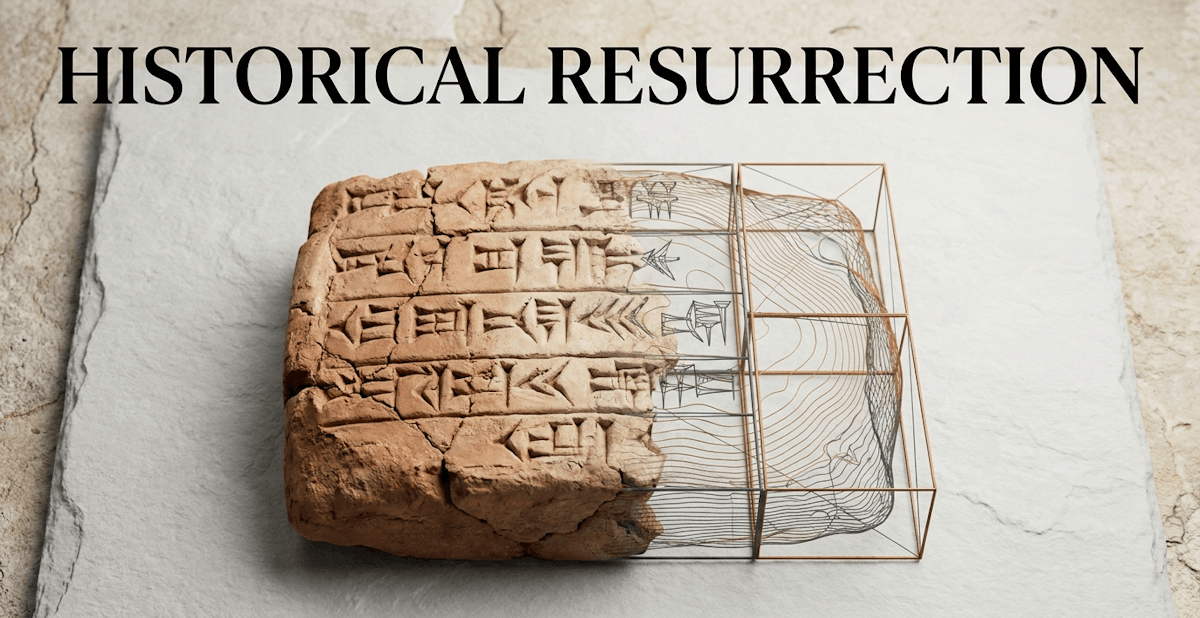
The history of human civilization is etched into the stone, clay, and parchment of our ancestors. Yet, for millennia, many of these voices remained silent, locked behind scripts that no living soul could read. The decipherment of ancient scripts is not merely a linguistic exercise; it is an act of historical resurrection. By cracking the code of extinct writing systems, researchers reclaim the laws, poetry, and daily lives of people who would otherwise be forgotten. Historically, this process was slow and relied on rare strokes of luck, such as the discovery of bilingual inscriptions. Today, a new era is dawning as the clinical precision of computational science meets the intuitive depth of archaeology.
Foundations of decipherment
The journey to recover lost languages began in earnest during the 18th century. Scholars Swinton and Barthélemy independently deciphered Palmyrene, an Aramaic script, marking the first time a dead language was successfully brought back to life. Shortly thereafter, Silvestre de Sacy utilized bilingual Greek-Persian inscriptions to decode Pahlavi scripts, used in ancient Persia for Middle Iranian. These early successes established a fundamental principle: decipherment almost always requires an external anchor - a bridge between the known and the unknown.
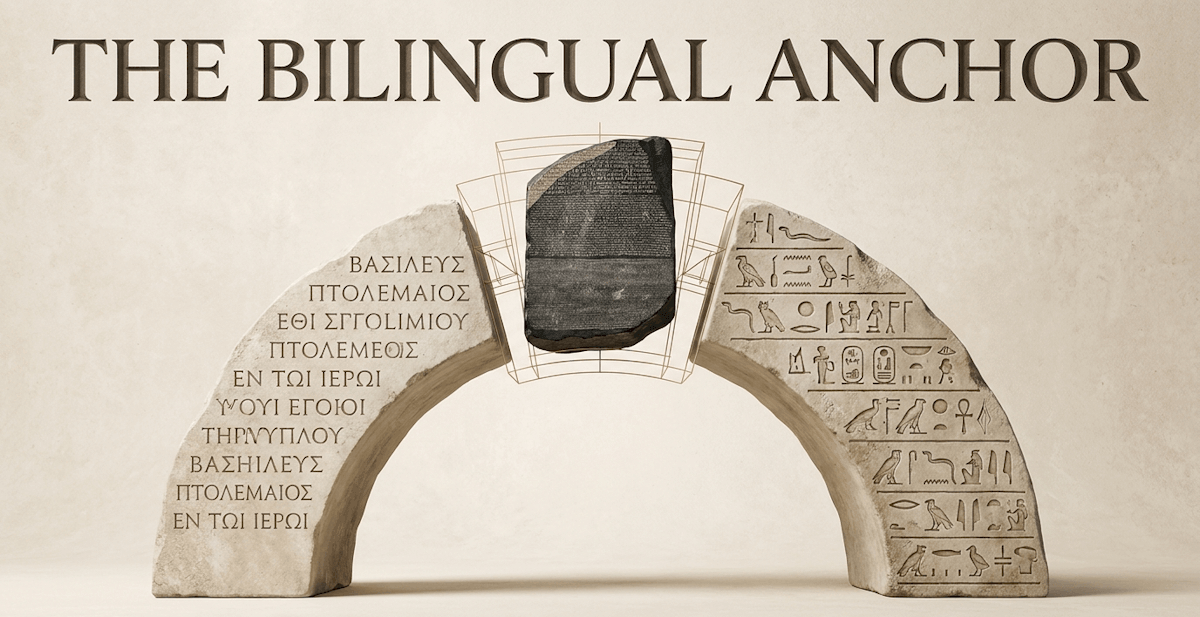
Perhaps the most famous instance of this occurred in the early 19th century. The discovery of the Rosetta Stone in 1799 provided a trilingual decree written in Ancient Greek, Demotic, and Egyptian hieroglyphs. Jean-François Champollion, building on preliminary work by Thomas Young, realized in 1822 that hieroglyphs were a sophisticated mix of phonetic and ideographic elements. By identifying royal names like Ptolemy and Cleopatra within cartouches, he unlocked the phonetic key to the Nile. This breakthrough proved that ancient scripts were not purely symbolic or mystical but followed rigorous linguistic structures that yielded to patient, systematic analysis.
The expansion of cuneiform and Aegean scripts
While Egypt was being rediscovered, scholars in the Middle East were tackling cuneiform. Georg Friedrich Grotefend made the first significant inroads into Old Persian by identifying repeating patterns in royal titles. However, the definitive expansion came via Henry Rawlinson and his study of the Behistun Inscription - a massive rock relief featuring the same text in Old Persian, Elamite, and Babylonian. This work enabled the decipherment of Babylonian Akkadian and, subsequently, its closely related Assyrian dialect, together constituting the full Akkadian language family. In a notable display of scientific rigor, the Royal Asiatic Society tasked four scholars - Rawlinson, Hincks, Fox Talbot, and Oppert - with independently translating the same Assyrian text. Their near-identical results validated the decipherment of Akkadian to the broader scholarly community.

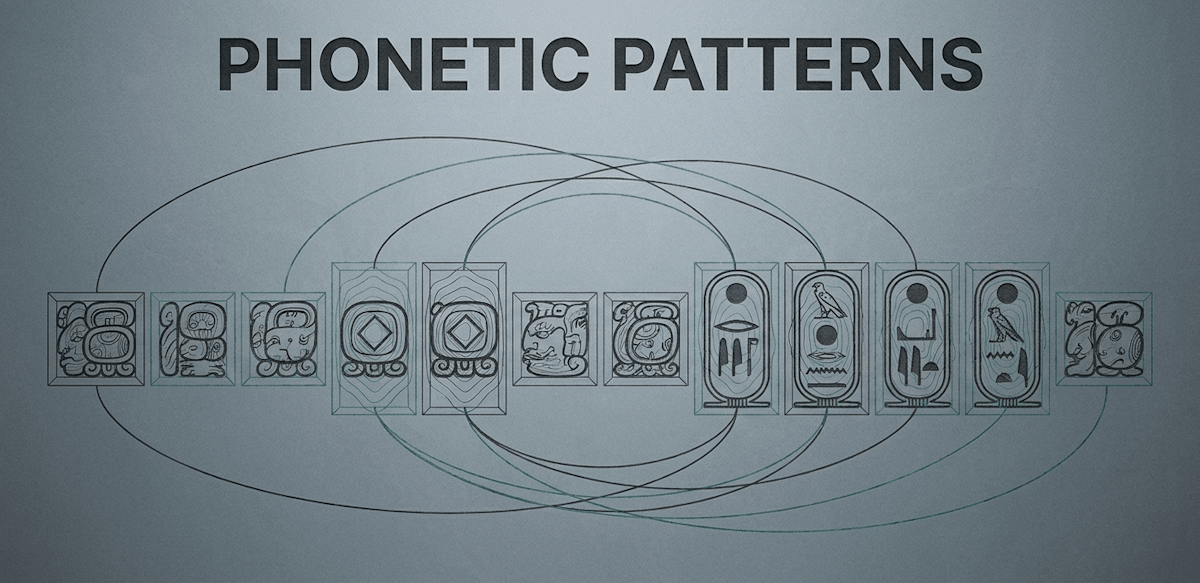
As the 20th century approached, the focus shifted toward the Mediterranean and the Americas. Bedřich Hrozný demonstrated in 1915 that Hittite was an Indo-European language. In the early 1950s, Michael Ventris and John Chadwick achieved what many thought impossible by deciphering Linear B. Through exhaustive sign analysis and experimental substitution, they revealed that the script was an archaic form of Greek. Meanwhile, across the Atlantic, Yuri Knorosov and David Kelley made foundational contributions to breaking the code of Maya glyphs, proving their phonetic nature and ending decades of debate.
The persistence of the undeciphered
Despite these triumphs, several significant scripts continue to resist analysis. The challenges are often structural. Many undeciphered systems lack a bilingual text or a known descendant language. The Indus script, originating from the Indus Valley Civilization between approximately 2600 and 1900 BCE, remains a primary mystery. With no equivalent of the Rosetta Stone and very brief inscriptions - most contain fewer than ten signs - scholars remain divided on whether it represents a Dravidian language or a non-linguistic system of administrative symbols.
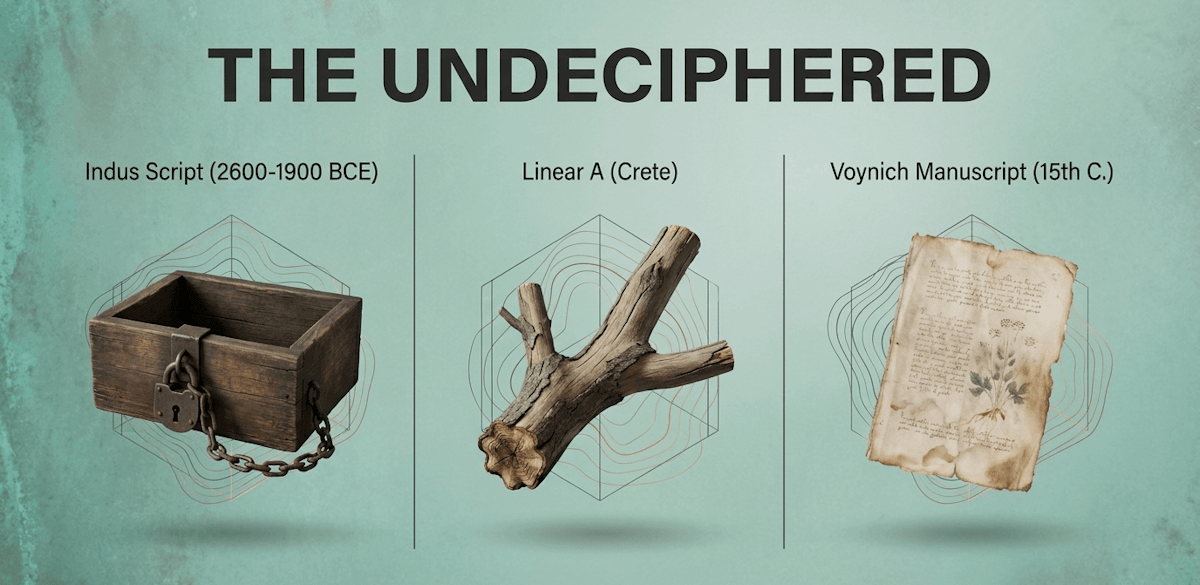
Similarly, Linear A, used on Crete, remains opaque. While it shares characters with Linear B, the underlying language is not Greek and remains unidentified. Other enigmas include the Proto-Elamite script of Iran, the Southwest Paleohispanic script of the Iberian Peninsula, and the infamous Voynich Manuscript - a 15th-century codex written in an unknown script accompanied by bizarre botanical and astronomical illustrations whose authenticity and meaning continue to divide researchers. The lack of large corpora - the sheer physical volume of available text - often prevents the statistical analysis necessary for a breakthrough. This is precisely where artificial intelligence is beginning to change the equation.
How AI is revolutionizing ancient language decipherment
The field of archaeology is undergoing a fundamental shift due to the integration of artificial intelligence and machine learning. These technologies are providing a way to bypass traditional bottlenecks like data scarcity and the absence of bilingual texts. AI is no longer just a tool for cataloguing artefacts; it is an active participant in the reconstruction of lost human thought.

AI pattern recognition: beyond human capacity
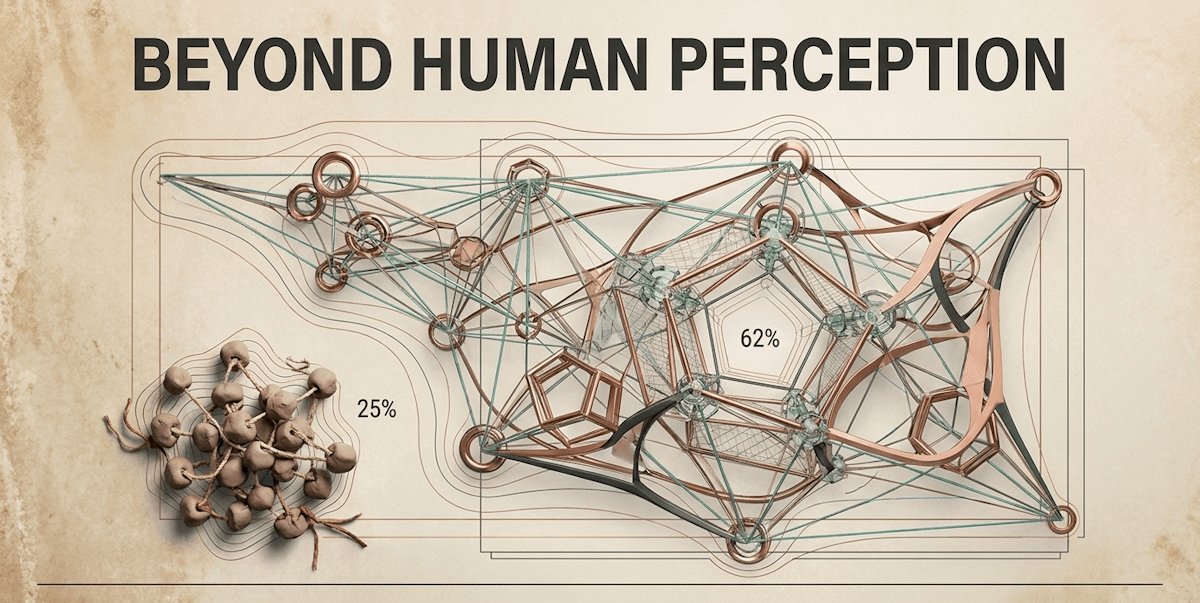
Machine learning algorithms excel at pattern recognition on a scale that human researchers cannot match. While a scholar might spend a lifetime comparing two thousand inscriptions, a transformer model can analyze tens of thousands in seconds. Research indicates that these models can identify ancient texts with up to 62% accuracy, significantly outperforming the 25% accuracy rate of human experts working alone. This speed allows for the rapid testing of linguistic hypotheses - comparing a mystery script against all known language families to find phonetic or structural overlaps that would take generations of scholarship to replicate manually.
Restoring damaged ancient texts with AI
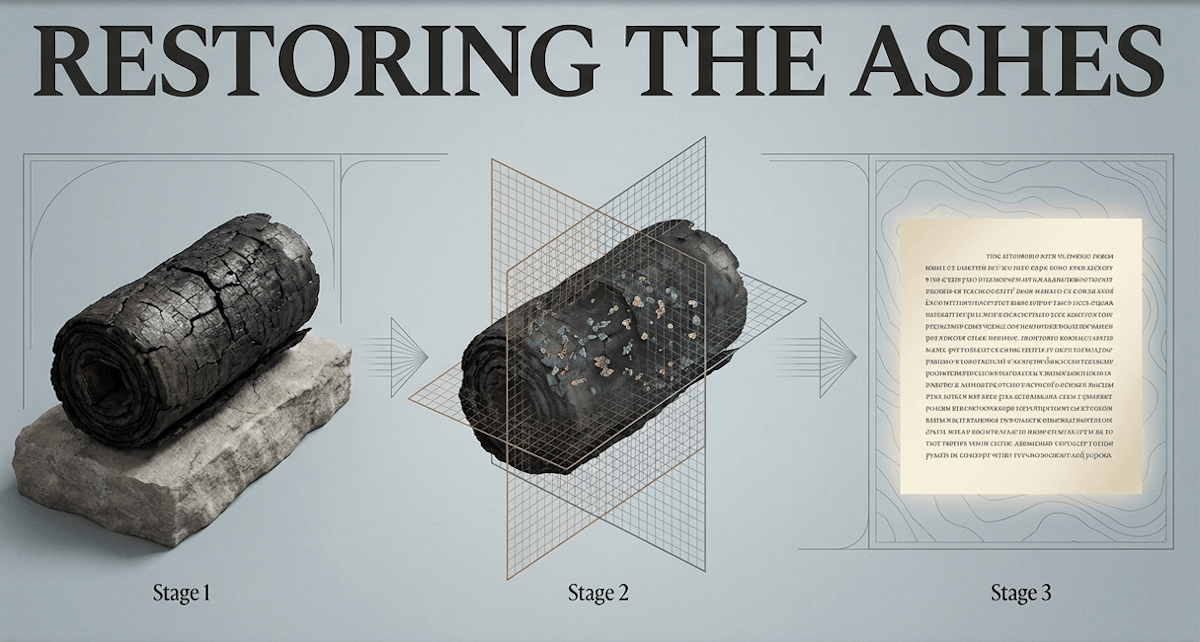
One of the most remarkable applications of AI is the physical restoration of damaged texts. In China, researchers use machine learning to reconstruct Oracle Bone Scripts - among the earliest forms of Chinese writing. In Italy, the carbonized scrolls of Herculaneum, sealed by the eruption of Vesuvius in 79 CE and long considered illegible, are being read without being unrolled. By applying CT scanning and AI-driven ink detection to these papyri, scientists can now visualize internal text that survived nearly two millennia of burial. These digital tools allow us to read what was previously considered lost to time and fire.
How AI deciphers scripts without bilingual keys
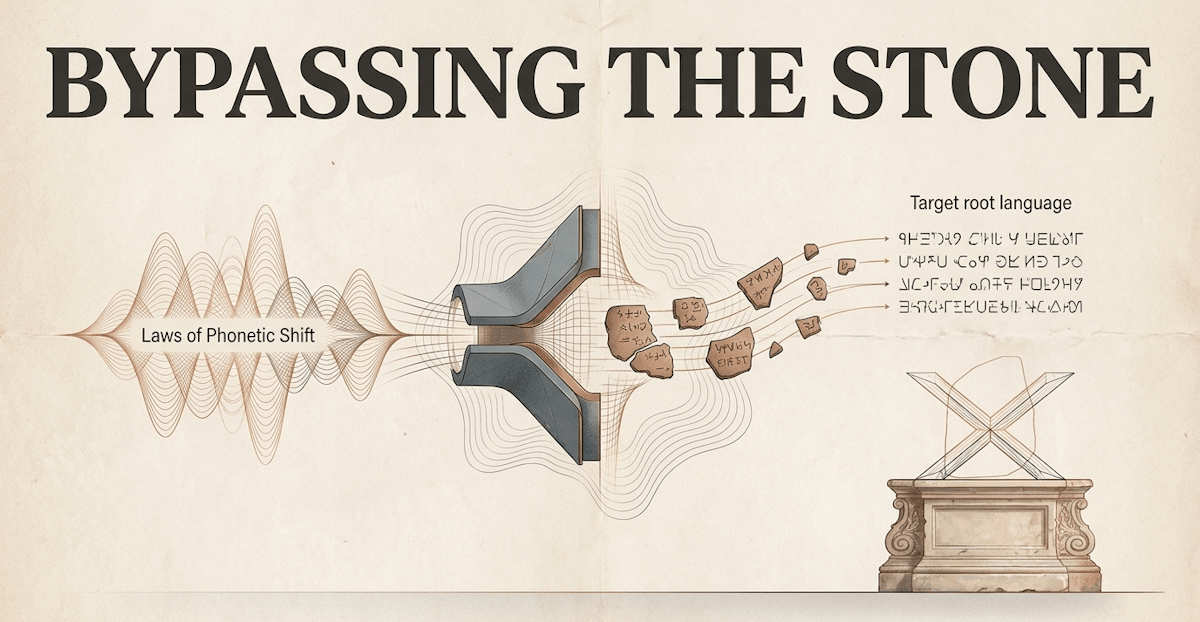
Modern natural language processing techniques are now being trained on the principles of language evolution itself. By encoding the known laws of phonetic shift and sound change into algorithms, AI can hypothesize the root language of scripts like Linear A even without a bilingual key.
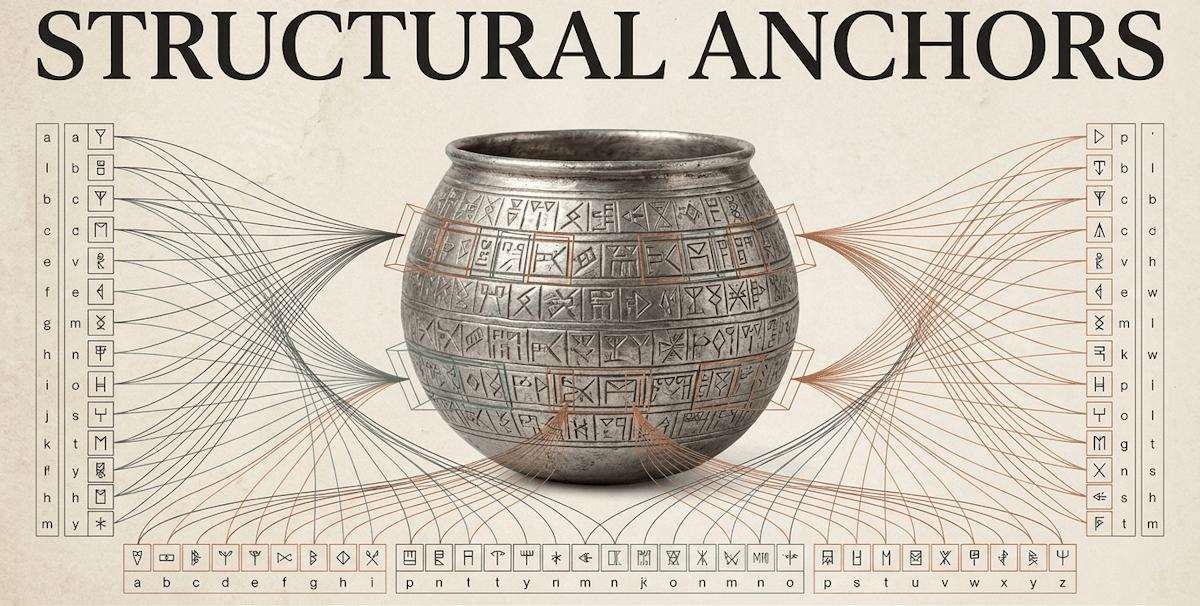
A striking precedent comes from the 2022 decipherment of Linear Elamite by François Desset and his team, who used traditional scholarly methods - specifically identifying royal names inscribed on silver vessels - to establish 72 signs representing 73 sound values, accounting for over 96% of the script's occurrences. Although this 4,000-year-old script was cracked through classical linguistic analysis rather than AI, it illustrates precisely the kind of structural, name-anchored approach that machine learning is now being trained to automate and scale across other undeciphered systems.
Landmark AI tools reshaping ancient language research
The theoretical potential of AI in linguistics has translated into tangible, headline-making results. In 2022, Google DeepMind introduced Ithaca, a deep neural network trained on tens of thousands of ancient Greek inscriptions. Ithaca demonstrated the ability to restore damaged text, attribute inscriptions to their likely geographical origin, and estimate their date of composition. Crucially, when scholars worked alongside the model rather than deferring to it entirely, attribution accuracy rose from 62% for the AI working alone to 72% in a human-AI partnership - a result that underlines a defining principle of the field: collaboration between machine and scholar consistently outperforms either working in isolation.

Perhaps the most dramatic demonstration of AI-assisted recovery came through the Vesuvius Challenge. Launched as an open prize competition, the project invited researchers worldwide to use machine learning to read the Herculaneum papyri - scrolls carbonized by Vesuvius in 79 CE and previously considered permanently illegible. By training models on micro-CT scan data to detect faint ink traces invisible to the naked eye, participants successfully extracted substantial passages of Greek philosophical text for the first time in nearly two millennia. The winning teams in 2023 recovered text that scholars identified as philosophical writing, likely by the Epicurean philosopher Philodemus. The project proved that AI can recover information not merely from damaged texts, but from manuscripts that had never been physically opened.
The broader historical and cultural impact of decipherment
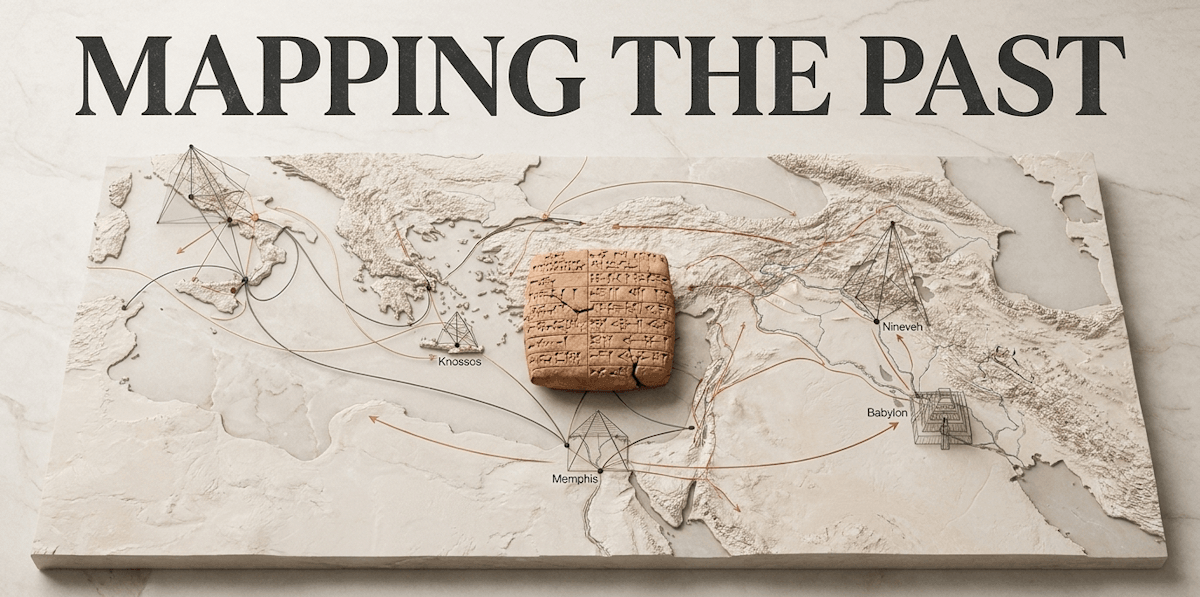
The implications of these advancements extend far beyond simple translation. By decoding ancient scripts, AI helps map the migration of ancient peoples and the exchange of ideas across borders. It allows for the tracking of trade routes through administrative tablets and the reconstruction of social hierarchies through legal decrees. Decipherment is, at its core, the key to understanding ancient belief systems - providing a window into how early humans viewed the cosmos and their place within it.
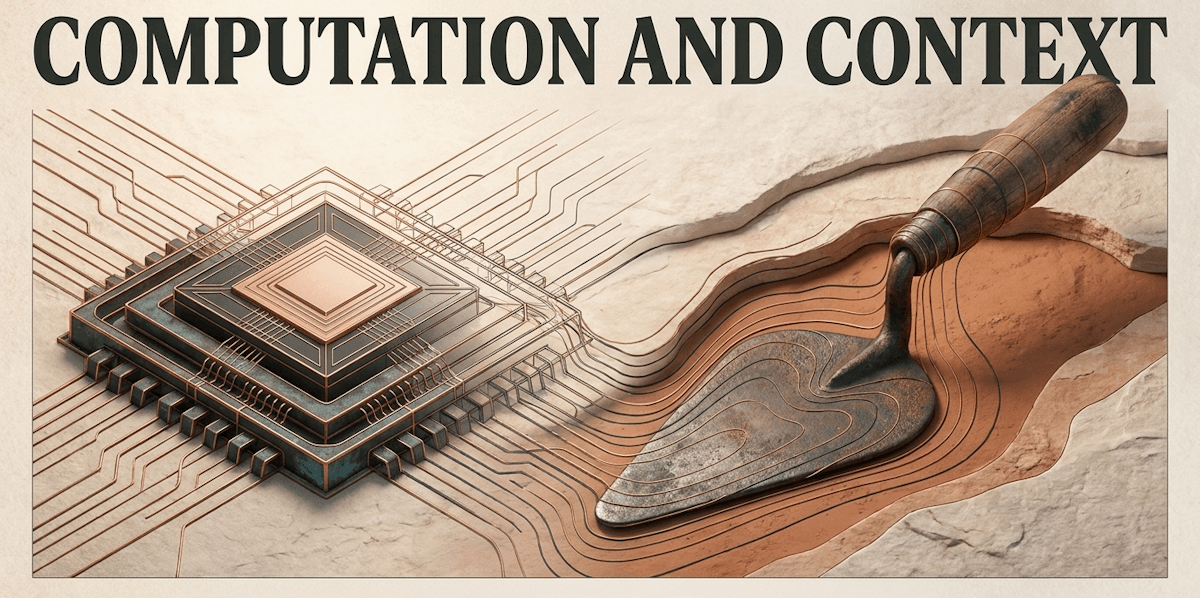
However, the clinical nature of AI must be balanced with archaeological context. Machine learning can struggle with cultural nuance and the volatile nature of ancient dialects. A model trained on later forms of a language may misread an archaic variant; an algorithm detecting statistical regularities may confuse administrative shorthand with a distinct phonetic system. The future of the field depends on interdisciplinary collaboration. Computer scientists provide the processing power, while linguists and archaeologists provide the necessary guardrails to ensure that digital reconstructions remain grounded in physical reality.
The road ahead: challenges and promise
As AI tools grow more capable, the challenge is shifting from technical limitations to interpretive ones. Even if a machine can identify the phonetic structure of the Indus script, assigning semantic meaning - understanding what those words actually meant to the people who wrote them - requires the kind of contextual, cultural reasoning that remains a distinctly human strength. Pattern recognition is not comprehension.

Several emerging approaches address this gap. Crowdsourced platforms now allow citizen scientists to assist in tagging and cataloguing inscriptions, feeding richer, human-annotated datasets to AI models. University consortia across Europe, North America, and South Asia are developing shared digital corpora of undeciphered scripts, democratizing access to data that was once confined to individual research institutions. Simultaneously, advances in large language models are enabling systems that do not just match patterns but build probabilistic models of grammar - moving incrementally closer to understanding rather than merely recognizing.
The remaining undeciphered scripts - the Indus script, Linear A, Proto-Elamite, and others - are no longer simply waiting for a fortunate archaeological find. They are active targets of computational analysis, with new algorithms tested against them regularly. Whether the next great decipherment comes from a scholar with a magnifying glass or a neural network processing midnight inscriptions, the fundamental goal remains the same: to restore the voices of those who wrote, and to ensure that no human story is permanently lost.
Share now









Key takeaways
- The first dead language successfully deciphered was Palmyrene, an Aramaic script, in the 18th century.
- The Rosetta Stone, discovered in 1799, bears a trilingual decree in Ancient Greek, Demotic, and Egyptian hieroglyphs - the key that unlocked ancient Egyptian writing.
- Jean-François Champollion decoded Egyptian hieroglyphs in 1822, proving they combined both phonetic and ideographic elements.
- The 1857 Royal Asiatic Society test, in which four scholars independently produced near-identical Assyrian translations, publicly validated the decipherment of Akkadian cuneiform.
- Linear B was deciphered by Michael Ventris and John Chadwick in the early 1950s and identified as an archaic form of Greek.
- Maya glyphs were proven to be phonetic in nature through the foundational work of Yuri Knorosov and David Kelley.
- In 2022, François Desset's team achieved a breakthrough decipherment of Linear Elamite using traditional linguistic methods, accounting for over 96% of the script's occurrences across 72 signs representing 73 sound values.
- AI transformer models can identify ancient texts with up to 62% accuracy, compared to approximately 25% for human experts working alone.
- DeepMind's Ithaca (2022) demonstrated that human-AI collaboration raises ancient Greek inscription attribution accuracy to 72%, compared to 62% for AI alone.
- The Vesuvius Challenge (2023) used AI and micro-CT scanning to read carbonized Herculaneum papyri for the first time in nearly two millennia.
- Major scripts that remain undeciphered include the Indus script, Linear A, Proto-Elamite, and the Voynich Manuscript.
- The Indus script, dating to approximately 2600-1900 BCE, is doubly difficult to crack because most inscriptions contain fewer than ten signs and no bilingual text has ever been found.
Sources
- Wikipedia: Decipherment https://en.wikipedia.org/wiki/Decipherment
- Wikipedia: Decipherment of ancient Egyptian scripts https://en.wikipedia.org/wiki/Decipherment_of_ancient_Egyptian_scripts
- Wikipedia: Decipherment of cuneiform https://en.wikipedia.org/wiki/Decipherment_of_cuneiform
- Wikipedia: Undeciphered writing systems https://en.wikipedia.org/wiki/Undeciphered_writing_systems
- Wikipedia: Linear Elamite https://en.wikipedia.org/wiki/Linear_Elamite
- MIT News: Translating lost languages using machine learning https://news.mit.edu/2020/translating-lost-languages-using-machine-learning-1021
- Frontiers in Artificial Intelligence: AI and ancient scripts https://www.frontiersin.org/journals/artificial-intelligence/articles/10.3389/frai.2025.1581129/full
- ZME Science: Linear Elamite decoded https://www.zmescience.com/science/news-science/linear-elamite-decoded/
- Nature: Restoring and attributing ancient texts using deep neural networks (Ithaca) https://www.nature.com/articles/s41586-022-04448-z
- Google DeepMind: Ithaca - predicting the past with AI https://deepmind.google/discover/blog/predicting-the-past-with-ithaca/
- Vesuvius Challenge: Reading the Herculaneum papyri https://scrollprize.org
- Wikipedia: Vesuvius Challenge https://en.wikipedia.org/wiki/Vesuvius_Challenge
- Published 2026-05-06 22:35
- Modified 2026-07-27 22:47

-
Redaction


