

-
 Redaction
How to rewire your brain to manage chronic pain
Discover how CBT, ACT, and mindfulness rewire the brain to manage chronic pain. Evidence-based strategies that reduce pain and improve daily functioning.
The multifaceted nature of chronic pain
The experience of chronic pain extends beyond mere physical sensation, encompassing significant biological, psychological, and emotional dimensions. For decades, the medical model of pain focused primarily on peripheral tissue damage or structural abnormalities. However, clinical evidence now suggests that persistent pain often becomes a condition of the central nervous system itself. Effective management strategies therefore increasingly incorporate psychological interventions that aim to improve a patient's self-management, behavioral responses, and cognitive processing of pain, rather than solely focusing on pain elimination.
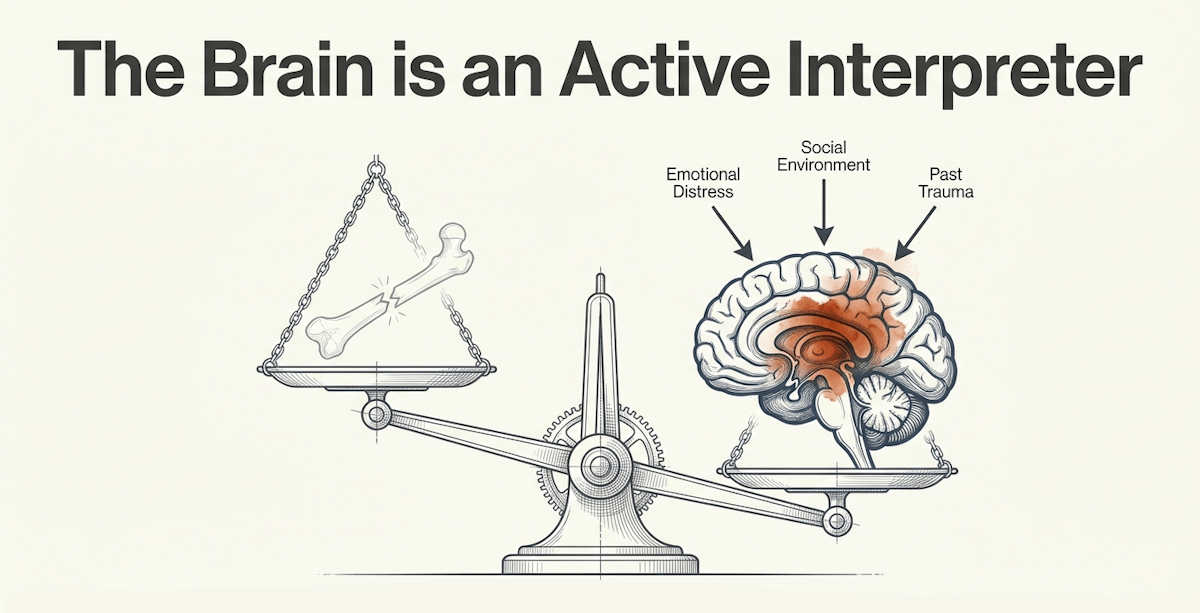
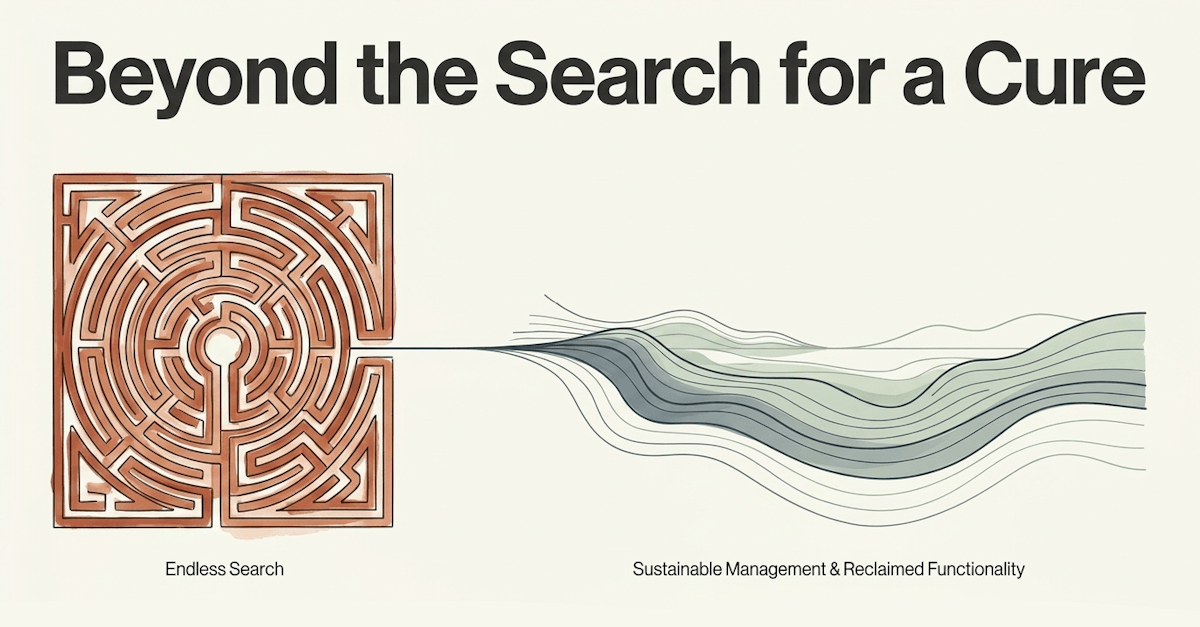
This shift toward a biopsychosocial model recognizes that the brain is not a passive receiver of pain signals but an active interpreter. Factors such as emotional distress, social environment, and previous trauma can amplify the neural signals of discomfort. By addressing these psychological components, clinicians can help patients reclaim functional lives even when the underlying physical cause of pain cannot be fully eradicated. The goal is a transition from the search for a cure to the implementation of sustainable management.
Cognitive behavioral therapy as a primary intervention
Cognitive Behavioral Therapy (CBT) is a widely recognized first-line psychosocial treatment for chronic pain. It operates on a biopsychosocial model, targeting maladaptive thoughts and behaviors related to pain, as well as the social and environmental factors that influence pain reactions. This approach is rooted in the understanding that how a person thinks about their pain directly influences their physical experience and their level of disability.
Efficacy and clinical outcomes
CBT has demonstrated efficacy in improving pain and pain-related problems across various chronic pain syndromes, including fibromyalgia, lower back pain, and arthritis. It consistently leads to benefits such as reduced pain-related anxiety and distress, improved daily functioning and activity levels, better sleep quality, and improved mood. Data from clinical trials indicates significant reductions in depression among patients who complete CBT protocols.

While CBT effectively reduces pain impact and pain-related disability, evidence regarding its effect on opioid use is limited. The landmark PPACT trial found that CBT produced modest but sustained reductions in pain and pain-related disability compared with usual care, but did not reduce the use of opioid medications. Notably, opioid dose declined across all participants over time - in both the intervention and usual care groups - suggesting this trend was not attributable to CBT specifically. This indicates that while CBT equips patients with better coping mechanisms, physiological dependence on medication requires separate, specialized management protocols.
Mechanisms of cognitive change
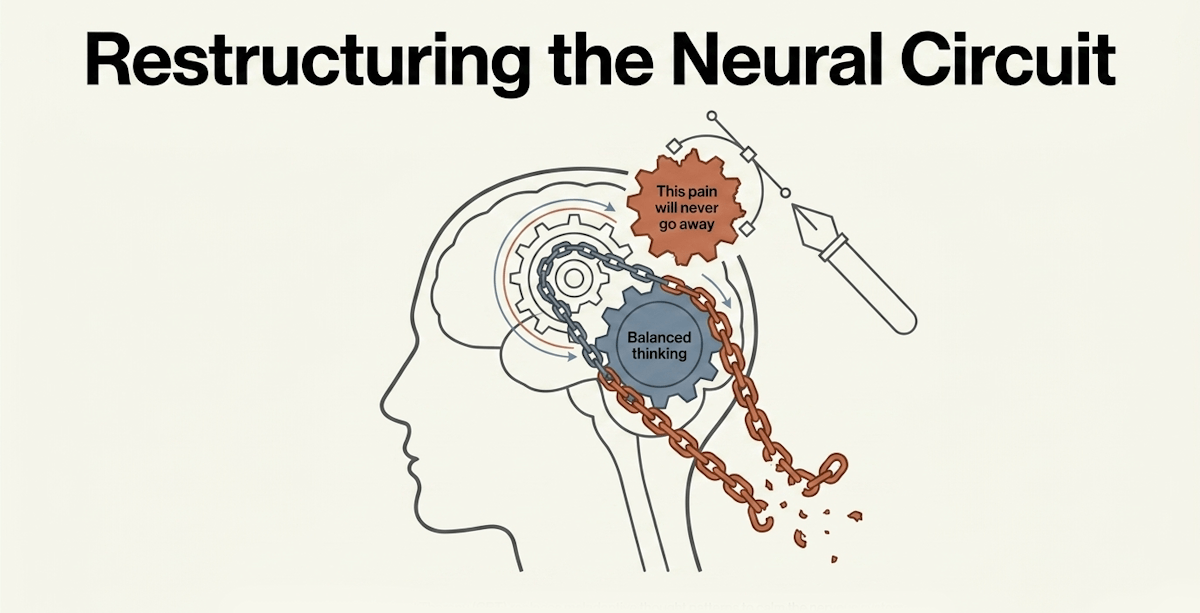
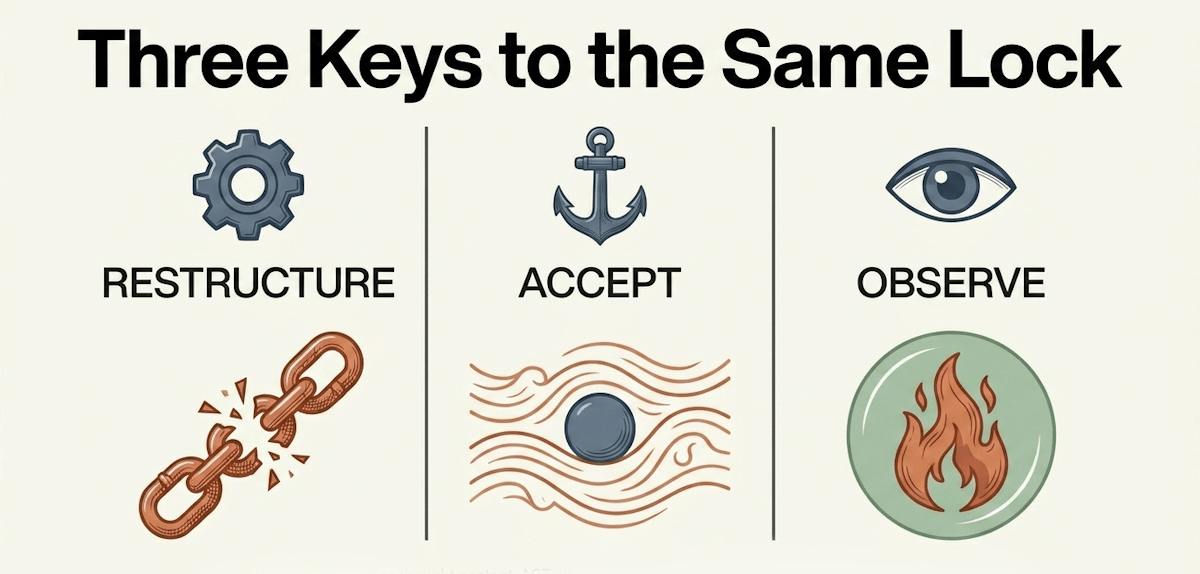
CBT helps patients identify and challenge negative thought patterns, such as "This pain will never go away," and replace them with more balanced, realistic thinking. This process, known as cognitive restructuring, is essential for reducing the emotional load of a chronic condition. It teaches coping skills to calm the nervous system, reducing the brain's reactivity to pain signals. Core techniques include muscle relaxation, guided imagery, and cognitive restructuring.
In practical application, the implementation of these therapies varies considerably. In a survey of Veterans Affairs therapists, nearly half of patients with chronic pain were offered CBT-CP (CBT for Chronic Pain). Therapists who attempted CBT-CP more frequently reported better completion rates, suggesting that clinician familiarity and frequency of use are critical for patient retention and success.
Acceptance and commitment therapy and psychological flexibility
As a "third-wave" cognitive behavioral therapy, Acceptance and Commitment Therapy (ACT) emphasizes acceptance of pain rather than control. This approach is fundamentally different from traditional CBT, as it does not necessarily seek to change the content of thoughts but rather the patient's relationship with them. ACT encourages commitment to living a life aligned with one's values despite the presence of pain.
Outcomes and psychological flexibility
ACT significantly improves pain acceptance, quality of life, pain-related functioning, and emotional well-being, often outperforming conventional treatments that focus strictly on symptom reduction. A systematic review and meta-analysis of 21 trials encompassing nearly 2,000 participants found ACT to be effective across diverse populations, yielding small to large effect sizes on pain interference, functional impairment, pain acceptance, pain intensity, anxiety, depression, and quality of life. A separate systematic review by Hughes and colleagues, encompassing 11 trials, demonstrated that ACT yielded moderate to large effects in pain acceptance and psychological flexibility, along with small to moderate effects in functioning, anxiety, and depression. Notably, ACT can also help reduce reliance on opioids for pain management by providing alternative psychological anchors.
Breaking the cycle of suffering
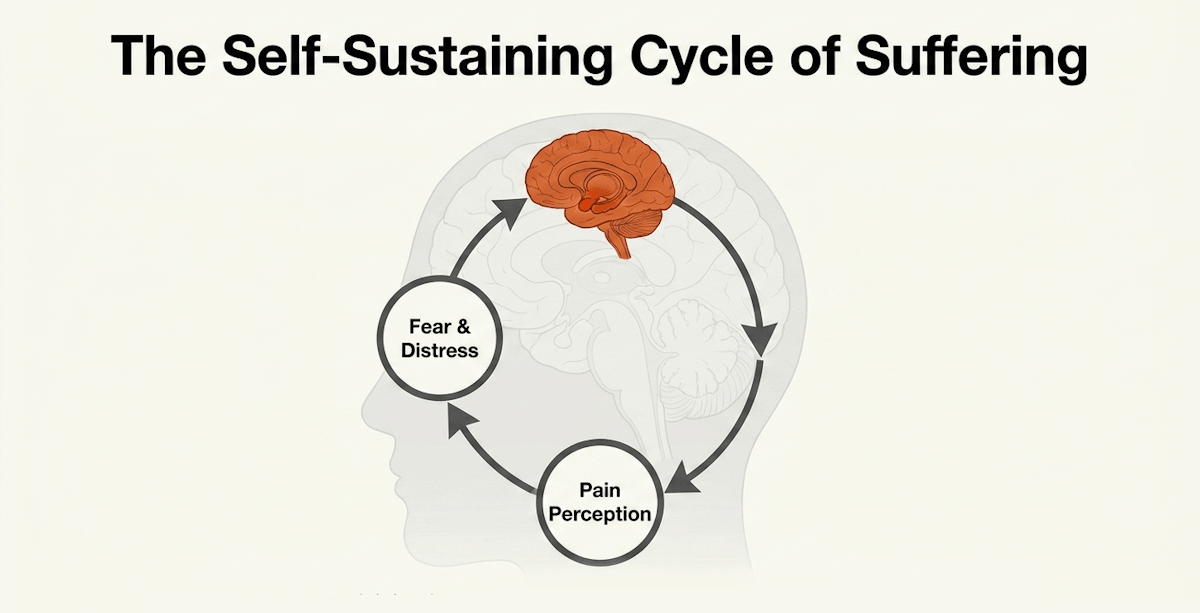
ACT helps individuals break free from the cycle where pain and fear of pain lead to emotional distress and disability. It fosters "psychological flexibility" through six core therapeutic processes: acceptance, cognitive defusion, being present, self-as-context, values, and committed action. By focusing on what a patient can still do rather than what they have lost, ACT reduces the dominance of pain in the patient's identity and sense of self.

Mindfulness-based interventions and the brain
Mindfulness-Based Interventions (MBIs), including Mindfulness-Based Stress Reduction (MBSR), focus on cultivating non-judgmental awareness of the present moment. These approaches have moved from the periphery of medicine to the core of integrative pain management due to their robust evidence base.
Clinical efficacy of mindfulness
MBSR has been shown to reduce pain severity, improve physical functioning, and decrease psychological distress in individuals with chronic pain. Research indicates that mindfulness meditation can reduce pain intensity by 21% and pain unpleasantness by 36% compared to control groups. Importantly, these effects are not reversed by naloxone infusion, which demonstrates that mindfulness operates through non-opioid mechanisms. This makes it a vital tool for patients who are non-responsive to traditional analgesics or who wish to avoid opioid-related side effects.
Neurological mechanisms and imaging
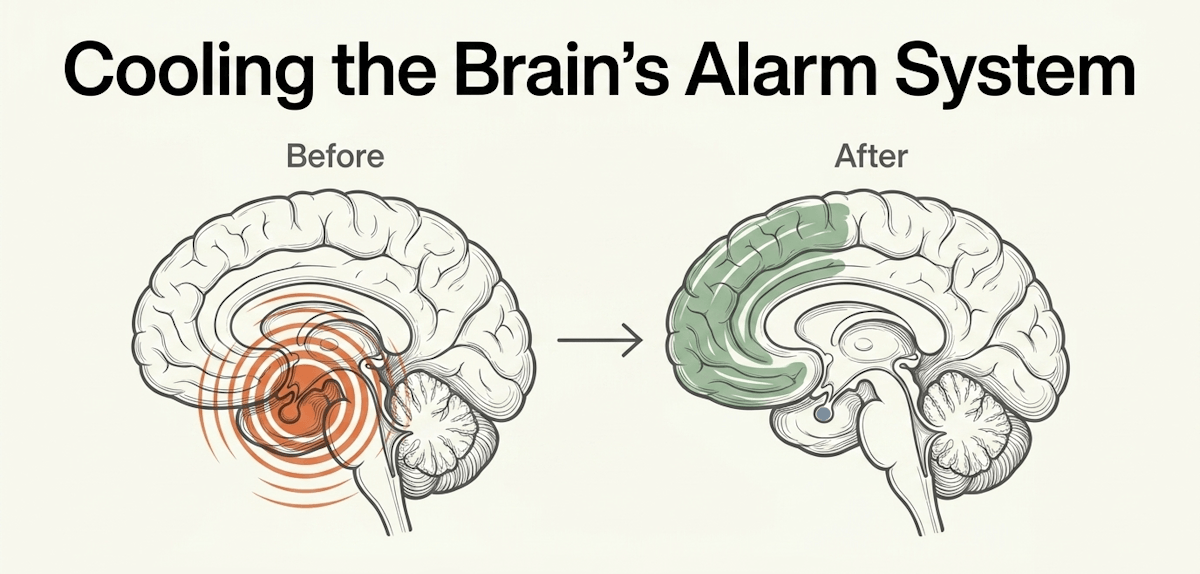
Mindfulness may reduce pain by changing how the brain processes pain signals, helping individuals decrease emotional reactivity by developing a non-judgmental awareness. Neuroimaging studies using fMRI and EEG reveal that mindfulness meditation alters activity in brain regions responsible for sensory processing - such as the primary somatosensory cortex - and emotional-cognitive evaluation areas like the insula and anterior cingulate cortex.

Regular meditation can also result in structural changes. It has been observed to shrink the amygdala - often referred to as the brain's fear center - and thicken the prefrontal cortex, which is responsible for emotional regulation. This structural shift effectively quiets the brain's alarm system. Common techniques include mindful breathing, body scan meditation, and sitting meditation. MBSR programs typically combine these practices with gentle yoga and body awareness exercises.
Pain neuroscience education: understanding pain to reduce it
Pain Neuroscience Education (PNE), sometimes called therapeutic neuroscience education, is an intervention that teaches patients the biology behind their pain experience. Rather than focusing solely on structural pathology, PNE explains how the nervous system becomes sensitized, why the brain amplifies pain signals over time, and how thoughts and emotions feed back into the pain cycle. This educational approach is increasingly recognized as a powerful adjunct to other psychological and physical therapies.
Research demonstrates that patients who understand the neurobiological underpinnings of their pain show greater reductions in pain catastrophizing, improved movement confidence, and better long-term functional outcomes. When individuals learn that persistent pain is not necessarily a sign of ongoing tissue damage - but rather a protective response from a sensitized nervous system - the emotional threat value of pain decreases. And with it, so does the pain itself.
PNE is typically delivered by physiotherapists or pain psychologists and integrates naturally into broader CBT or ACT frameworks. It is especially effective for conditions such as fibromyalgia, chronic low back pain, and widespread musculoskeletal pain, where central sensitization plays a dominant role. For many patients, understanding why their brain produces pain is the first genuine turning point in their recovery.
Graded motor imagery and the body-brain connection
Graded Motor Imagery (GMI) is a structured rehabilitation program that systematically retrains the brain's representation of the body to reduce central sensitization. It is particularly effective for conditions such as complex regional pain syndrome (CRPS) and phantom limb pain, where the brain's internal body map has become distorted.
GMI progresses through three sequential stages. The first is laterality recognition, which trains the brain to identify left versus right body parts from images. The second is explicit motor imagery, in which the patient mentally rehearses movements without physically performing them. The third stage is mirror visual feedback, which uses a mirror to create the visual illusion of normal, pain-free movement. Each stage progressively recalibrates how the brain maps and processes sensory information.
Clinical evidence supports GMI as an effective means of reducing both pain intensity and movement-related fear. By engaging the motor cortex and working gradually through the hierarchy of motor planning, GMI promotes the kind of adaptive neuroplasticity that CBT, ACT, and mindfulness-based approaches also target, while doing so through a uniquely embodied, movement-based pathway.

The role of interdisciplinary pain programs
No single intervention addresses all dimensions of chronic pain. Interdisciplinary pain management programs (IPMPs) bring together physicians, psychologists, physiotherapists, occupational therapists, and other specialists to deliver coordinated, multimodal care. These programs are grounded in the biopsychosocial model and represent the gold standard of treatment for patients with complex or long-standing chronic pain.
Evidence consistently shows that IPMPs produce superior outcomes compared to single-discipline approaches, particularly for patients with high levels of disability, opioid dependence, or psychological comorbidities. Participants typically report significant improvements in physical functioning, return-to-work rates, psychological well-being, and quality of life. Crucially, these gains tend to be maintained at long-term follow-up, suggesting genuine and durable neurobiological change rather than temporary symptom suppression.
For individuals who cannot access a full interdisciplinary program, even partial combinations - such as working simultaneously with a pain psychologist trained in CBT and a physiotherapist familiar with pain neuroscience - can yield meaningful, compounding improvements.
Neuroplasticity and the path to recovery
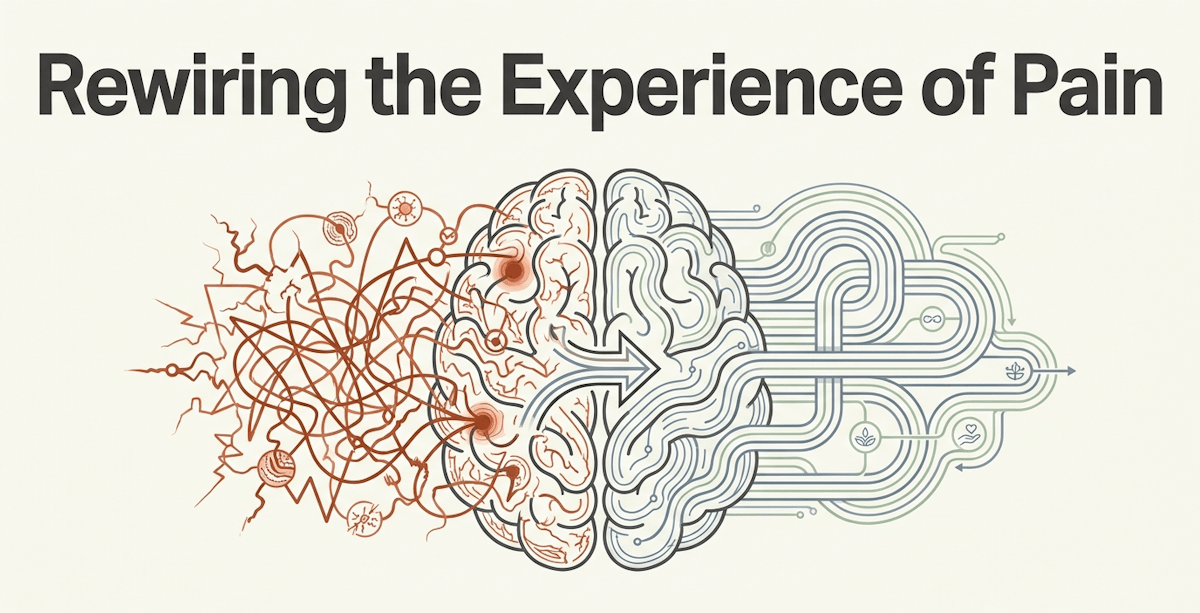
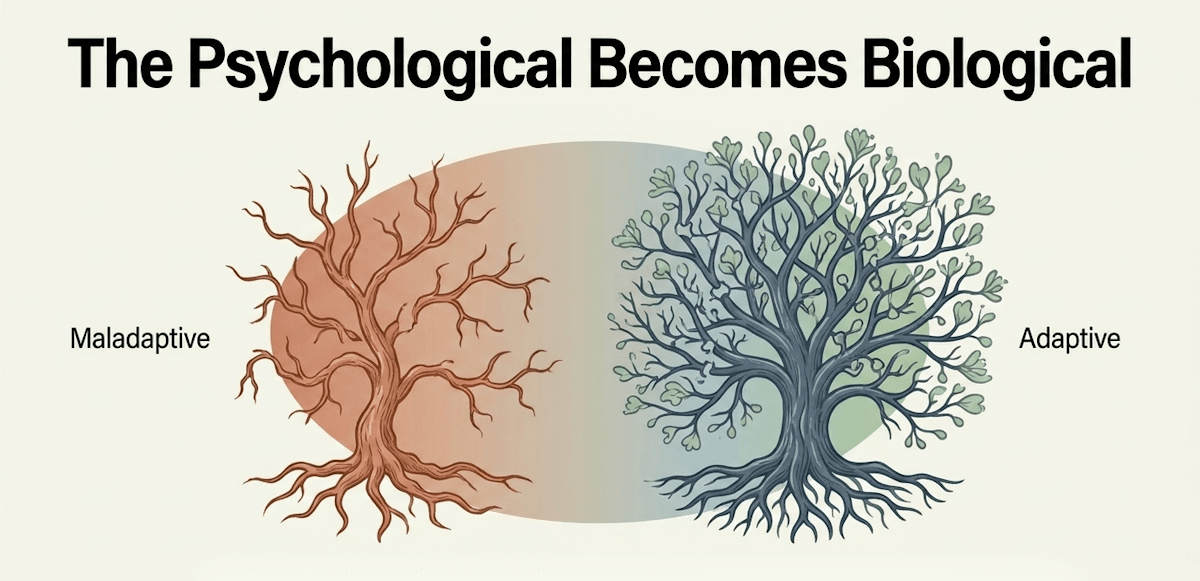
Chronic pain itself causes maladaptive neuroplastic changes in brain structure and function, which maintain pain symptoms even after the original injury has healed. The brain, in essence, "practices" feeling pain, strengthening neural pathways associated with suffering. Psychological interventions are specifically designed to promote adaptive neuroplasticity to reverse these changes.
Brain changes in the chronic state
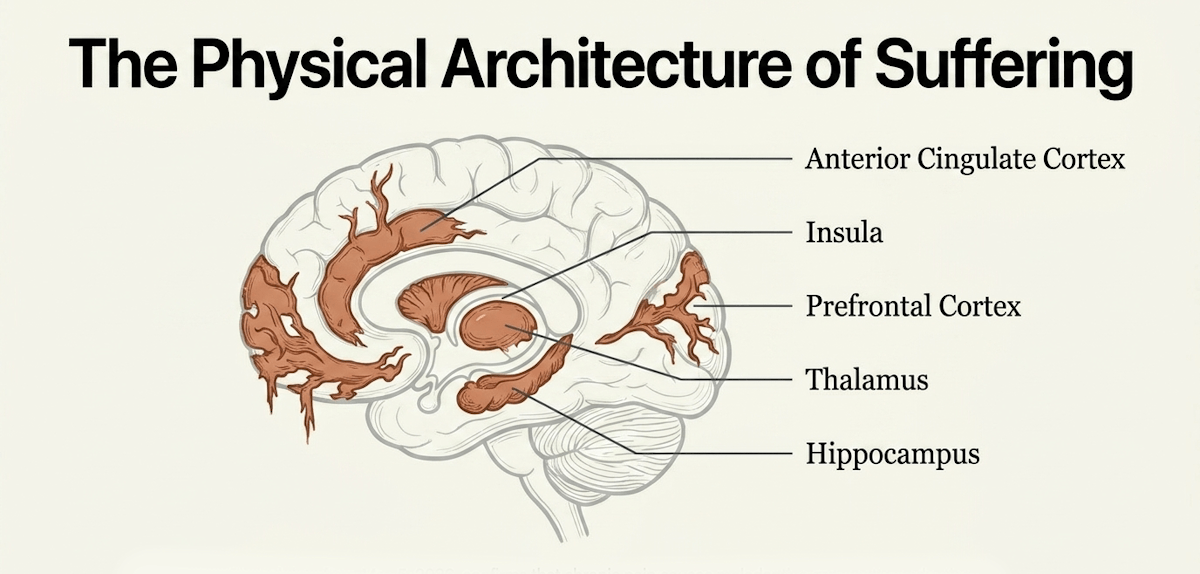
Chronic pain is associated with gray matter reduction and altered connectivity in key pain-processing areas. These include the anterior cingulate cortex, insula, prefrontal cortex, thalamus, and hippocampus. When these regions atrophy or become dysregulated, the threshold for pain lowers and emotional resilience decreases - creating a self-reinforcing cycle that sustains suffering independently of the original physical cause.
Promoting adaptive neuroplasticity
The impact of well-targeted intervention is significant. MBSR can interrupt the "pain loop" by training the brain to observe sensations without adding secondary stress. CBT and other psychological interventions can reduce or even reverse maladaptive changes in plasticity. Exercise-based programs can mitigate neuroplastic changes and offset brain volume reduction associated with chronic pain. Strategies that optimize learning and positive central nervous system adaptation can measurably enhance treatment gains over time. By engaging the brain in new ways of processing information, these therapies help the nervous system return to a more regulated, less reactive state.
Practical steps: starting your brain-rewiring journey
Understanding the science of chronic pain is itself therapeutic, but translating that knowledge into daily practice is where lasting change begins. Several evidence-informed steps can help individuals engage neuroplasticity in their favor.
Start with psychoeducation. Learning how chronic pain works at a neurobiological level reduces fear and catastrophizing - two of the most powerful amplifiers of pain signals. Reputable patient resources, pain neuroscience books, and guided programs offered through pain clinics provide a strong foundation.
Seek a qualified pain psychologist or therapist. CBT, ACT, and mindfulness-based programs are most effective when delivered by trained clinicians. Many programs are now available in hybrid or fully digital formats, expanding access for those with limited mobility or geographic constraints.
Establish a consistent mindfulness practice. Even brief daily sessions of mindful breathing or body scan meditation can, over time, promote structural changes in the brain that reduce pain reactivity. Consistency matters more than duration, particularly in the early stages.
Engage in graded physical activity. Exercise supports neuroplasticity, offsets gray matter reduction associated with chronic pain, and improves mood and sleep - all of which directly influence pain perception. Any movement program should be paced carefully, especially for those with significant deconditioning or fear-avoidance behaviors.
Build a support network. Social connection and emotional support are not peripheral concerns in chronic pain management - they are neurobiologically relevant. Loneliness and social isolation amplify central sensitization, while meaningful relationships provide a measurable buffering effect on the brain's threat response system.
Share now









Key takeaways
- Chronic pain involves biological, psychological, and emotional dimensions that extend well beyond physical tissue damage.
- The biopsychosocial model positions the brain as an active interpreter of pain, not a passive receiver - meaning emotional distress, social context, and trauma can all amplify pain signals.
- Cognitive Behavioral Therapy (CBT) targets maladaptive thoughts and behaviors to improve mood, sleep quality, and daily functioning in people with chronic pain.
- The landmark PPACT trial found that CBT reduced pain and disability but did not reduce opioid medication use; opioid dose declined across all participants regardless of treatment group.
- Acceptance and Commitment Therapy (ACT) fosters psychological flexibility and pain acceptance, with moderate to large effect sizes across clinical trials involving nearly 2,000 participants.
- Mindfulness-Based Stress Reduction (MBSR) can reduce pain intensity by 21% and pain unpleasantness by 36% through non-opioid neural mechanisms - effects that are not reversed by naloxone.
- Mindfulness practice produces measurable structural brain changes, including shrinkage of the amygdala and thickening of the prefrontal cortex, reducing the brain's alarm response.
- Chronic pain causes gray matter reduction in key areas including the prefrontal cortex, anterior cingulate cortex, insula, thalamus, and hippocampus, lowering pain thresholds and emotional resilience.
- Psychological interventions - including CBT, ACT, and MBSR - promote adaptive neuroplasticity that can reverse maladaptive brain changes caused by chronic pain.
- Pain Neuroscience Education (PNE) reduces fear and catastrophizing by helping patients understand the neurobiological mechanisms behind their pain.
- Graded Motor Imagery (GMI) retrains the brain's body map through progressive motor exercises and is particularly effective for conditions involving central sensitization such as CRPS.
- Interdisciplinary pain management programs that combine psychological, physical, and medical care produce superior long-term outcomes compared to single-discipline approaches.
- Exercise-based programs can mitigate neuroplastic changes and offset the brain volume reduction associated with chronic pain.
- Social isolation amplifies central sensitization, while meaningful social connection provides a neurobiologically protective buffering effect on the pain response.
Sources
- DeBar et al. - PPACT trial: CBT for chronic pain and opioid use in primary care https://pmc.ncbi.nlm.nih.gov/articles/PMC9802183/
- McGuire et al. - CBT for Chronic Pain: VA therapist survey on implementation and completion rates https://pmc.ncbi.nlm.nih.gov/articles/PMC8793771/
- Zheng et al. - ACT for chronic pain: systematic review and meta-analysis (21 trials, ~2,000 participants) https://pmc.ncbi.nlm.nih.gov/articles/PMC11178235/
- Hughes et al. - Current status of Acceptance and Commitment Therapy for chronic pain https://pmc.ncbi.nlm.nih.gov/articles/PMC6174685/
- Zeidan et al. - Mindfulness meditation-based pain relief not mediated by endogenous opioids https://pmc.ncbi.nlm.nih.gov/articles/PMC4792946/
- PMC - Neuroplasticity and chronic pain: mechanisms and treatment implications https://pmc.ncbi.nlm.nih.gov/articles/PMC4824292/
- Published 2026-05-05 22:24
- Modified 2026-05-24 13:20

-
Redaction