

-
 PRO
PRO -
 Redaction
Archaeoacoustics: Sound engineering in megaliths
Neolithic passage tombs weren't just burial sites - they were acoustic instruments. Explore how prehistoric builders engineered 110 Hz resonance.
The echoes of stone
To walk into a Neolithic passage tomb is to leave the world of light and enter a realm of profound weight. The air cools, the smell of damp earth and ancient granite fills the senses, and the silence seems almost physical. Yet for the people who built these monuments five millennia ago, these spaces were likely anything but silent. They were meticulously engineered acoustic chambers, designed to trap, amplify, and transform sound in ways that challenge modern assumptions about prehistoric technology.
This field, known as archaeoacoustics, reveals that the architects of the Stone Age possessed a sophisticated understanding of how sound interacts with physical form - knowledge encoded not in texts or diagrams, but in the very geometry of stone.
From the rolling hills of Ireland to the subterranean depths of Malta, a recurring pattern has emerged in the construction of megalithic sites. They were not merely tombs or solar observatories. They were instruments. When one hums or chants within these chambers, the walls seem to vibrate in sympathy, creating an immersive auditory environment that can alter a listener's perception of reality. By exploring the relationship between people and sound throughout history, researchers are beginning to reconstruct the sensory landscapes of our ancestors - moving beyond the visual remains of archaeology to understand the invisible forces that shaped ancient human experience.

The mystery of the 110 Hz resonance
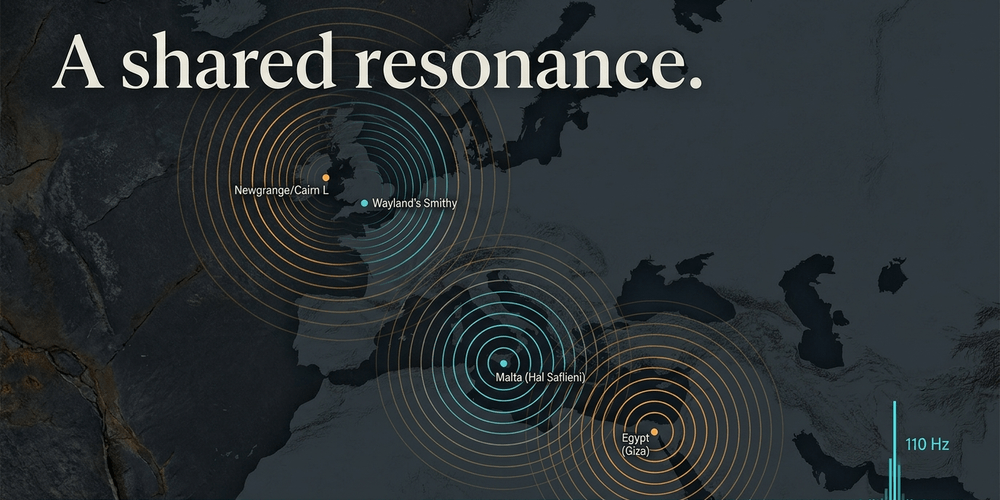
Perhaps the most striking discovery in the study of Neolithic acoustics is the presence of a dominant resonance frequency within a very narrow band. Extensive testing at sites across Western Europe and the Mediterranean has identified a recurring resonance between 95 and 120 Hz, frequently peaking at or near 110 Hz. This is not a random scatter across the archaeological record.
The foundational study was published in 1996 by Robert G. Jahn, Paul Devereux, and Michael Ibison in the Journal of the Acoustical Society of America, based on work through Princeton University's Engineering Anomalies Research (PEAR) laboratory. Rudimentary acoustical measurements performed inside six diverse ancient structures revealed that each sustained a strong resonance at a frequency between 95 and 120 Hz, despite major differences in chamber shapes and sizes. The resonant modal patterns all featured strong antinodes at the outer walls, with nodes and antinodes interspersed toward the central source. The authors noted that in some cases, interior rock drawings resembled these acoustical patterns - a connection that researchers would spend decades unpacking.
Sites exhibiting this 110 Hz resonance include some of the most celebrated monuments in the world:
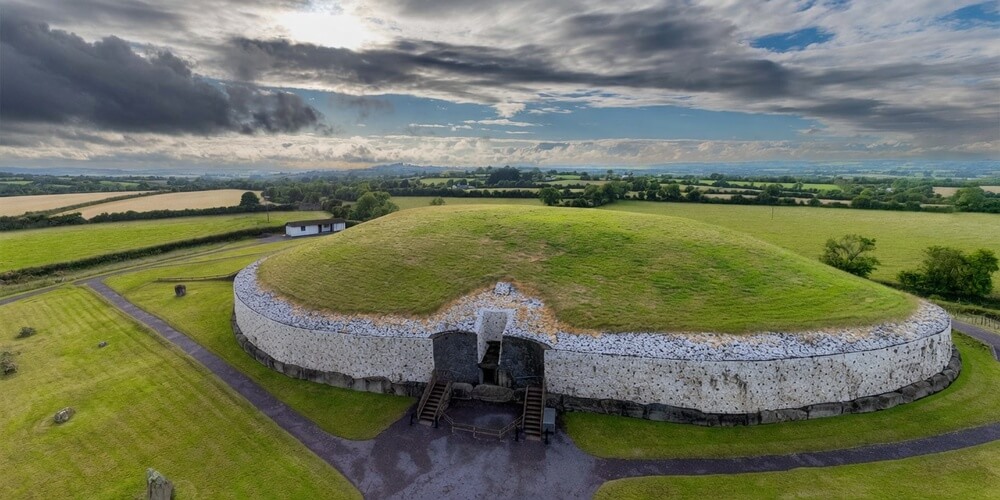
Newgrange (Ireland): This iconic passage tomb, famous for its winter solstice alignment, was tested in both 1994 and 2001. Researchers confirmed that the internal chamber resonates powerfully in the 110 Hz range, with the enormous cairn acting as an efficient acoustic filter between the interior and the outside world.
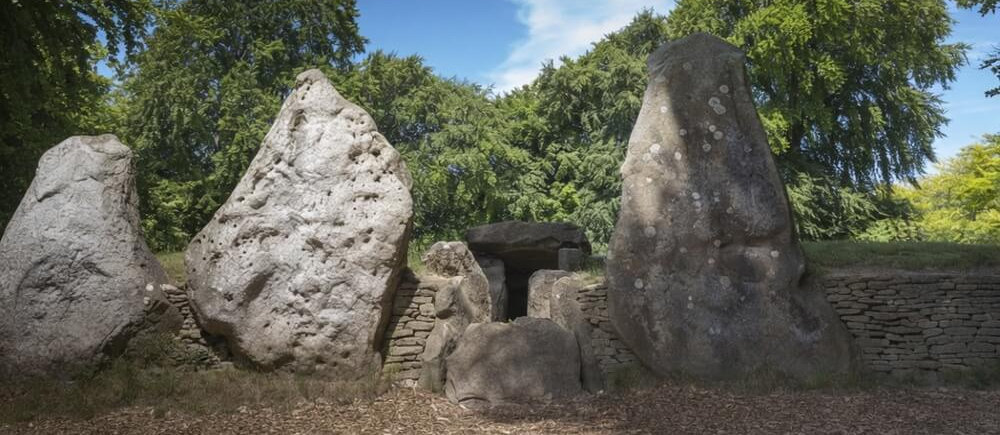
Wayland's Smithy (Great Britain): One of several sites where the Jahn-Devereux team identified the 110 Hz signature, reinforcing the idea of a shared architectural tradition across the British Isles.
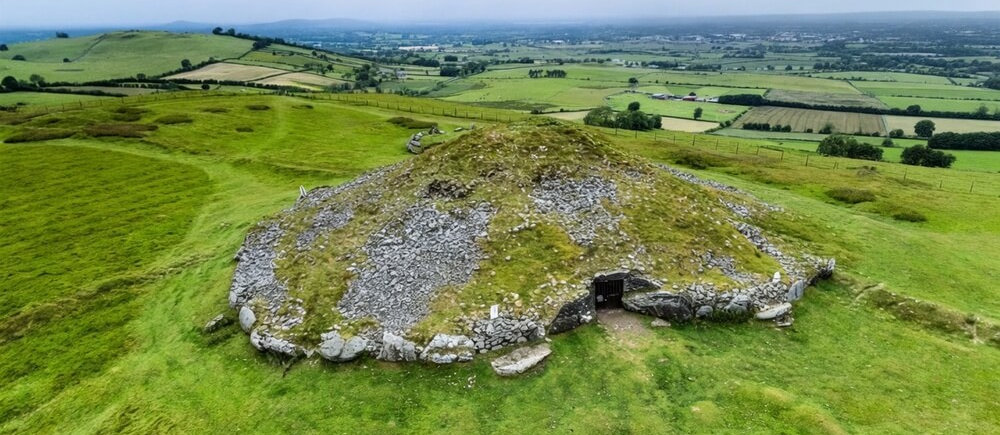
Cairn L at Loughcrew (Ireland): Another passage tomb where the geometry of the interior stone slabs facilitates a resonant frequency of approximately 110 Hz.
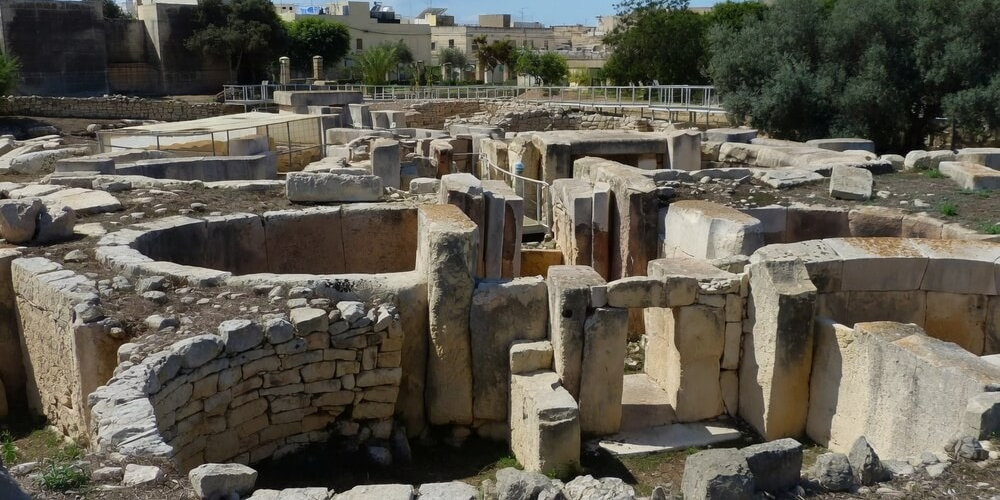
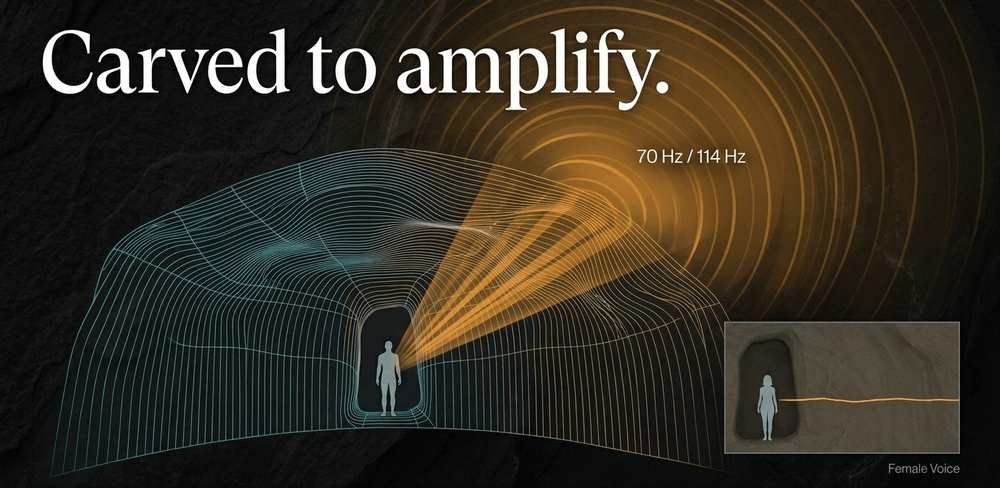
Ħal Saflieni Hypogeum (Malta): This subterranean temple complex, dating to between 4000 and 2500 BCE, features the famous Oracle Room on its second level. In the Oracle Room, researchers detected a strong resonance effect - a double resonance frequency at 70 Hz and 114 Hz. With a male voice tuned to these frequencies it is possible to stimulate the resonance phenomenon throughout the hypogeum.
The King's Chamber at Giza (Egypt): While much younger than the European Neolithic sites, this chamber also reportedly resonates near 110 Hz, suggesting that the acoustic ambitions of prehistoric builders were not confined to a single culture or era.
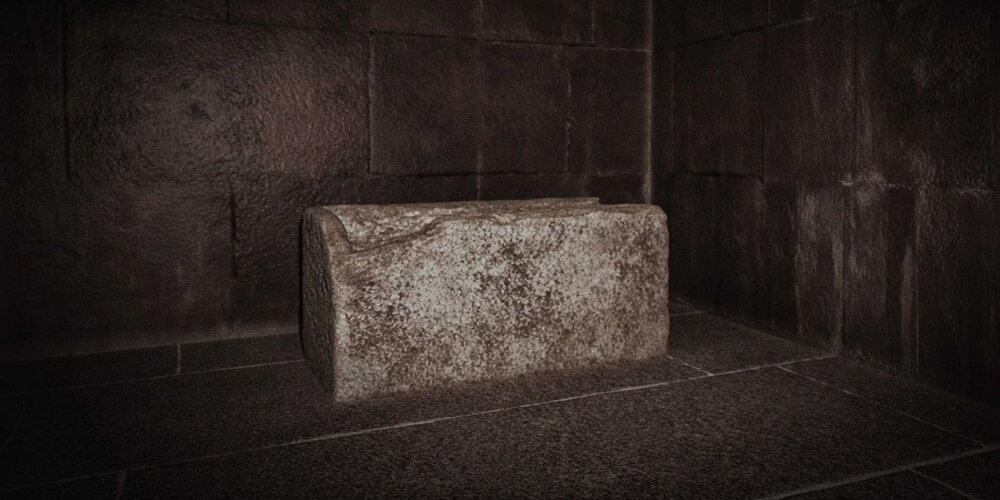
The frequency of 110 Hz corresponds closely to the male baritone singing voice. This suggests that rituals performed within these chambers likely involved chanting or deep-throated vocalizations. When a person chants at the resonant frequency of the room, the sound does not merely dissipate - it builds upon itself, filling the space with a volume and physical presence that far exceeds the original vocal effort.
Neurological shifts and altered states
The significance of 110 Hz extends beyond simple physics into the realm of human biology. In a pilot project, 30 healthy adults listened to tones at 90, 100, 110, 120, and 130 Hz while brain activity was monitored with electroencephalography (EEG). Activity in the left temporal region was found to be significantly lower at 110 Hz than at other frequencies. Additionally, the pattern of asymmetric activity over the prefrontal cortex shifted from one of higher activity on the left at most frequencies to right-sided dominance at 110 Hz. This research, published in 2008 by Dr. Ian Cook of UCLA in collaboration with the University of Trieste, provided the neurological foundation that archaeoacoustic researchers had long been seeking.

The left prefrontal cortex is associated with language processing and logical reasoning. The right hemisphere is traditionally linked to intuition, emotional processing, and creative synthesis. By effectively quieting the language centre, these resonant frequencies can induce an altered state of consciousness similar to deep meditation or trance.
Paul Devereux has hypothesised that Neolithic people used these chambers to drive the brain - employing repetitive chanting at the chamber's resonant frequency to facilitate spiritual visions or communal ecstasy. In the dark, cramped confines of a tomb, the combination of sensory deprivation and acoustic saturation would have been an overwhelming psychological tool. Whether or not that effect was the intention behind the architecture is a question the stones themselves cannot fully answer. But it is difficult to argue it was irrelevant.
The Oracle Chamber at Ħal Saflieni: architecture in the negative
The Ħal Saflieni Hypogeum deserves particular attention. Carved from globigerina limestone - a relatively soft sedimentary rock - using tools made from obsidian and deer antlers, it is one of the oldest intact manmade structures on Earth, and a UNESCO World Heritage Site. At the time of its discovery, the Hypogeum contained the remains of as many as 7,000 individuals. Unlike at other ancient burial sites, where bodies were interred separately, people at the Hypogeum were buried together. It was a place of collective death, and, apparently, collective sound.
Radio frequency spectrum engineer Glenn Kreisberg, who participated in research at the site, observed that the Oracle Chamber ceiling "appears to be intentionally carved into the form of a wave guide." Voices are amplified and deepened when the speaker is close to a niche in the wall of the Oracle Chamber; both volume and duration are increased; bass or baritone voices have the greatest effect. A male human voice stimulates the resonance of the structure at two frequencies (114 Hz and 68-70 Hz), whereas a female voice created no resonance.
More recent computational analysis published on arXiv has pushed the intentionality argument further. The observed frequency spectrum required jointly fine-tuning the dimensions of multiple non-contiguous cave walls across multiple independent chambers, to a degree that seems unlikely to be coincidental. The peak frequencies are evenly spaced and resemble a whole-tone scale in music, which is also unlikely to be coincidental, suggesting the spectrum itself might have held some cultural significance.
It is, in short, one of the most compelling cases for deliberate acoustic engineering in the prehistoric world.
Helmholtz resonance and the power of infrasound
While the audible 110 Hz resonance is well-documented, some Neolithic structures also manipulate frequencies that exist below the threshold of human hearing. At Maeshowe in Orkney, measurements demonstrated the presence of Helmholtz Resonance - an acoustic effect caused by the movement of air between an enclosed chamber and a restricted passageway. Under certain conditions this can cause the air within to oscillate, significantly amplifying a single frequency.
A 2 Hz infrasound resonance was successfully recorded by David Keating and Aaron Watson in 1998 at Maeshowe, at considerable amplitudes. Two Hz is far below the threshold of hearing, but not below the threshold of physical sensation. Infrasound in this range has been linked to feelings of unease, awe, and disorientation - the precise qualities one might seek in a ritual space designed to blur the boundary between the ordinary world and something beyond it.
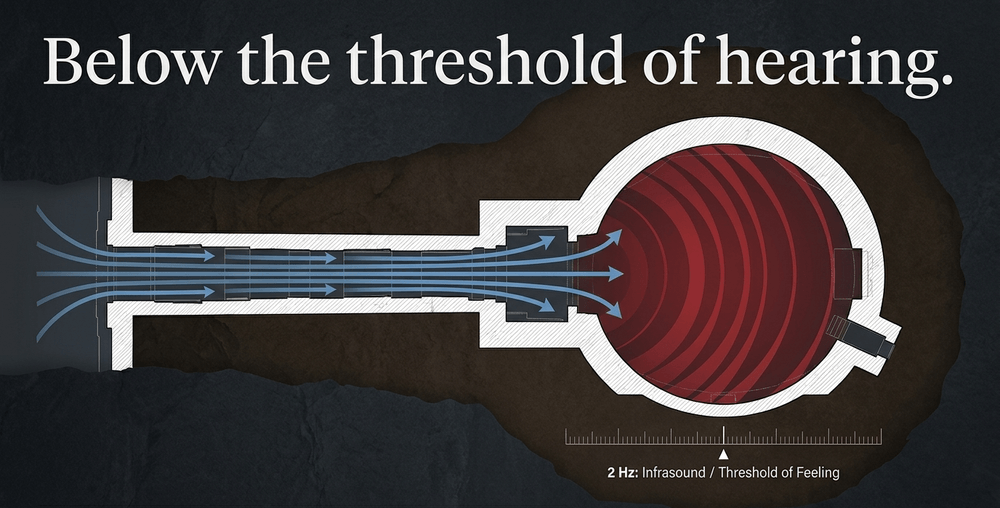
The critical question, as Aaron Watson himself has noted, is whether this was intentional. While the presence of infrasound inside Maeshowe could be demonstrated using sensitive equipment, it seems unlikely that this monument was intentionally constructed for this purpose. Helmholtz Resonance appears to be an accidental by-product of the passage grave format, further exaggerated by Maeshowe's precise stone walling.
Comparable fieldwork at Newgrange did not detect infrasound. Large cavities in the walls seem to prevent the effect from occurring at that site. The rounded stones and permeable mound structure absorbed too much energy to sustain it. But an accidental effect is not necessarily a meaningless one. Whatever its origin, the resonance was present, and the people who used these spaces would have felt it.
In one acoustic experiment at Maeshowe, researcher Keating reported being put into a state in which his body became relaxed but his mind alert, an initial stage of deep trance. Other bodily sensations were felt during on-site experimentation, including the illusion that the sound was being generated inside the participant's head.
Standing waves and the visual representation of sound
Enclosed stone monuments are ideal environments for the creation of standing waves - a phenomenon that occurs when sound waves reflect off parallel or near-parallel surfaces and begin to interfere with one another. In specific spots within a chamber, sound might be greatly amplified; in others, cancelled out entirely. The result is a disorienting acoustic landscape where a voice can seem to move around the room or emerge from the stones themselves.
This connects to one of the most intriguing hypotheses in the field: that some Neolithic art is not purely symbolic or decorative, but a direct representation of acoustic experience.
Nonlinear standing waves are depicted in dozens of engravings on megaliths forming the resonant chambers of Gavrinis Cairn in Brittany, France. Twenty-three of its twenty-nine massive standing stones are engraved with mesmerising patterns, including concentric waveforms, double-serpents, spirals, and concentric circles, possibly referencing the psychoacoustic effects of the acoustic environment.
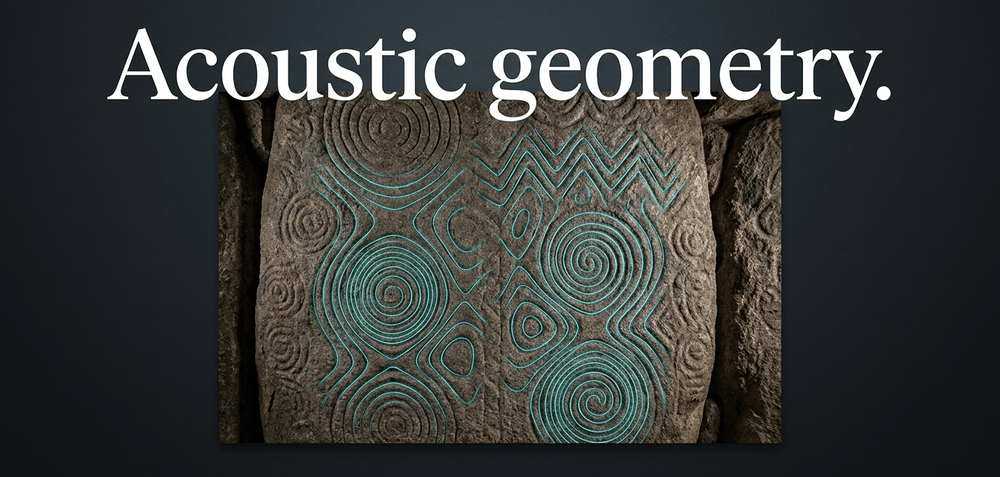
The passage at Gavrinis - 11.8 metres long, roughly two metres high, and only 1.5 metres wide - is one of the most densely decorated spaces in prehistoric Europe. Whether those engravings are maps of sound, ritual symbols, or something else entirely, is a question archaeologists continue to debate. What the lines symbolise is a mystery. It has been suggested that they represent waves, water, or perhaps the furrows of ploughed land. The acoustic interpretation is compelling, but should be held as a hypothesis rather than a conclusion.
Experiments in a scale replica of the Newgrange passage at Princeton also suggested a possible link between standing wave patterns and abstract Neolithic art more broadly. In an environment filled with smoke or mist - common elements of ritual - standing sound waves can briefly become visible as they vibrate airborne particles. The resulting patterns of nodes and antinodes share a striking visual resemblance to the zigzag lines, concentric rings, and spirals found carved into megalithic surfaces across Atlantic Europe.
Acoustic filtering and social exclusion
The architecture of Neolithic monuments also served to control who could hear what - and who could not. The massive stone and earth mounds surrounding passage tombs act as highly efficient acoustic filters. At Newgrange, the cairn ensures that very little sound escapes the interior. This suggests that the activities within were intended to be exclusive: shared only by the small number of people who could physically fit inside the chamber.
Some sites, meanwhile, seem designed to project sound in specific and calculated ways. At Camster Round in northern Scotland, drumming within the chamber creates a deep bass resonance that, when heard from the outside, appears to emerge from the ground itself. This sound was audible at Camster Long, some 200 metres away - even though it could not be heard in the open air between the two monuments. The stone acted as a transmission medium, filtering out high-frequency noise while allowing the low-frequency bass to travel through the earth.
Stonehenge provides another example of acoustic design with social implications. A 1:12 scale model of Stonehenge was constructed and tested at the University of Salford to determine how sound would have been altered by all of the original 157 stones in 2200 BCE. It was found that the stone reflections create an average mid-frequency reverberation time of 0.64 seconds and an amplification of 4.3 dB for speech.
The results suggest that any sounds created within the stone circle were intended for others within the same relatively intimate setting, rather than to be broadcast more widely to those outside, whose view into the stone circle would also have been obscured.
The architecture did not just shape sound. It shaped community - deciding who was inside the experience and who was not.
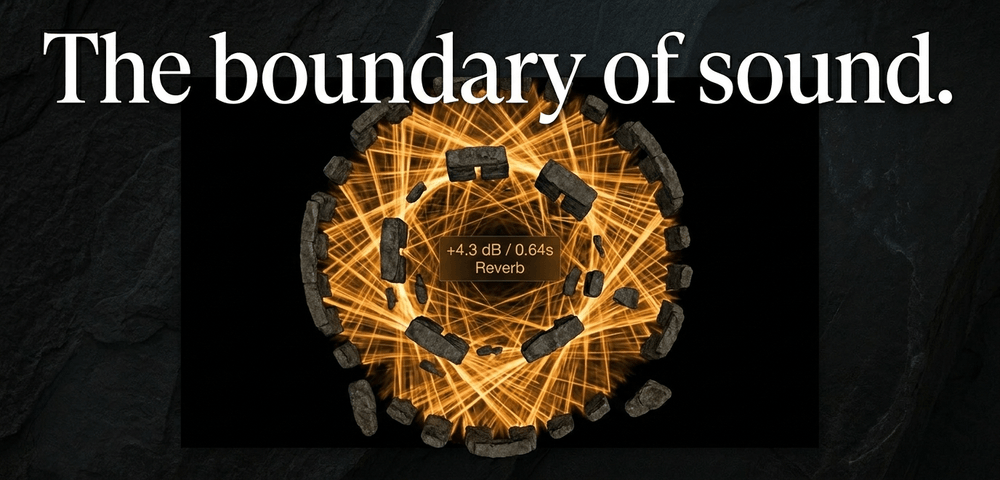
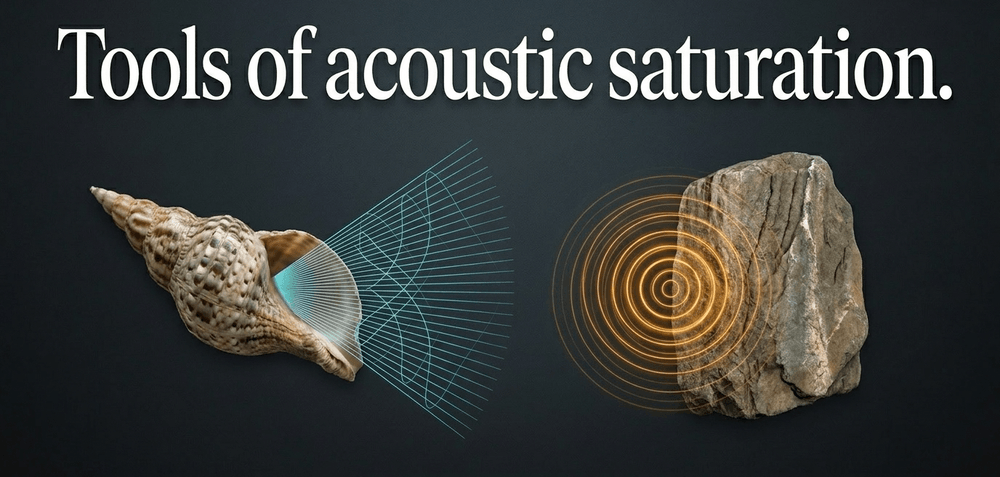
There is also speculation that some of the smaller stones used in Stonehenge's construction may have been chosen for their musical qualities. Making a sound much like a metallic gong when struck, they could have been used as percussion instruments. A 2013 study by researchers from the Royal College of Art found it was possible to "play" Stonehenge's ringing stones like a giant xylophone.
Intentionality versus geological coincidence
A central debate in archaeoacoustics is whether these effects were deliberately designed or simply a by-product of building with stone in enclosed shapes. Critics have argued, with some validity, that given the typical dimensions of Neolithic chambers, resonances in the 95-120 Hz range would be almost structurally inevitable.
The debate is not easily resolved. The case for coincidence is strongest at sites like Newgrange, where the Helmholtz resonance that would have been predicted by the chamber dimensions simply failed to materialise. The case for intention is strongest at sites like the Ħal Saflieni Hypogeum, where the fine-tuning of multiple non-contiguous chambers points to something more purposeful than happy accident.
Some megalithic stones also appear to have been erected and positioned specifically to improve acoustic properties rather than to support structural weight. The use of particular materials hints at acoustic awareness too: quartz and calcite found at Gavrinis and Newgrange possess piezoelectric properties, meaning they can transduce acoustic energy into an electrical charge - potentially enhancing the ritual experience in ways that go beyond the purely audible.
The honest answer is that intentionality varied, site by site. Some builders may have been consciously engineering resonance. Others may have inherited a tradition of building in certain shapes - shapes that happened, for reasons they experienced rather than calculated, to produce extraordinary sonic effects.
Ancient instruments and the archaeology of music
The auditory world of the Neolithic was not limited to the chambers themselves. Excavations have yielded physical evidence of musical instruments used alongside these spaces. Shell trumpets crafted from Charonia shells have been found in Catalonia; capable of producing sounds exceeding 100 decibels, they were effective for long-distance signalling and for filling a stone chamber with a harmonic roar. Some of these shells could produce multiple stable notes, indicating a level of musical expression that predates written language by thousands of years.
Research has also demonstrated that Tuvan throat singing and didgeridoo-style vocalisation - techniques that produce complex low-frequency harmonics - are particularly effective at exciting megalithic resonances. These are not modern instruments, but they represent acoustic approaches that would have been discoverable to any culture with sufficient time and curiosity inside a resonant stone chamber.
As archaeologist and researcher Linda Eneix of the Old Temples Study Foundation has noted, the reaction to a laboratory tone through headphones is "a very different thing from standing there in an ancient space like the Hypogeum, with the air vibrating all around your body." The embodied, environmental quality of the experience is something that no laboratory measurement can fully capture.
What archaeoacoustics is still learning
Archaeoacoustics is a young discipline, and it is still defining its own standards. The field blends archaeology, acoustics, neuroscience, ethnomusicology, and cognitive science - a breadth that is simultaneously its greatest strength and its greatest methodological challenge. Critics rightly note that some claims outpace the evidence, and that the temptation to read prehistoric minds through modern experiences is always present.
What is not in doubt is that sound mattered in these spaces. The physical measurements are real: the resonances exist, the frequencies are measurable, and the neurological effects are documented. What remains open is the interpretation - how deliberately these effects were sought, how centrally they featured in Neolithic ritual life, and what exactly they meant to the people who stood inside these chambers five thousand years ago.
Perhaps that is exactly as it should be. These monuments have kept their most important secrets in the one medium that leaves no lasting trace: the sound of human voices, rising and fading in the dark.
The living legacy of stone acoustics
As researchers increasingly examine the curved shapes, niches, and corbelled ceilings of monuments like the Ħal Saflieni Hypogeum, they see precursors to modern performance spaces. These ancient builders understood, at some level - experiential if not theoretical - that the shape of a room dictates the behaviour of sound, and they used that knowledge to create environments that were simultaneously tomb and theatre, burial chamber and instrument.
Archaeoacoustics allows us to listen to the past, reminding us that the people who built the great megaliths were not merely masters of stone and sun. They were also masters of the air and the vibrations that move through it. In the resonance of a 5,000-year-old chamber, we find a bridge to the ancient mind - where the architecture of sound turned stone into something living.
Share now









Key takeaways
- Neolithic passage tombs across Britain, Ireland, Malta, and beyond consistently exhibit a resonance frequency between 95 and 120 Hz, most commonly centred near 110 Hz, as documented in the foundational 1996 study by Jahn, Devereux, and Ibison published in the Journal of the Acoustical Society of America.
- The 110 Hz frequency corresponds closely to the male baritone singing voice, strongly suggesting that ritual chanting was the primary mechanism for activating these acoustic environments.
- A 2008 EEG study by Dr. Ian Cook of UCLA found that exposure to 110 Hz causes a measurable shift in brain activity - decreasing activity in the left temporal region (language and logic) and shifting dominance to the right prefrontal cortex (emotion and intuition).
- The Ħal Saflieni Hypogeum in Malta (c. 4000-2500 BCE) features a double resonance at 70 Hz and 114 Hz in the Oracle Room; computational analysis suggests the frequency spectrum required fine-tuning multiple non-contiguous chamber walls, pointing to deliberate acoustic design.
- At Maeshowe in Orkney, Scotland, Aaron Watson and David Keating recorded a 2 Hz Helmholtz Resonance in 1998 - infrasound too low to hear but physically felt by the body, and linked to altered states of consciousness including trance-like relaxation and disorientation.
- A 1:12 acoustic scale model of Stonehenge, tested at the University of Salford in 2020 (replicating the monument circa 2200 BCE with all 157 original stones), confirmed an average mid-frequency reverberation time of 0.64 seconds and a speech amplification of 4.3 dB, with sound confined entirely to listeners within the circle.
- Some Neolithic carved engravings - particularly at Gavrinis Cairn in Brittany, France, where 23 of 29 upright stones are decorated - have been interpreted as visual depictions of standing wave patterns generated by baritone chanting inside resonant chambers.
- The quartz and calcite content of stones at sites like Gavrinis and Newgrange possess piezoelectric properties, potentially transducing acoustic energy into electromagnetic fields and further amplifying the sensory experience of ritual chanting.
- At Camster Round in Scotland, low-frequency bass generated by drumming inside the chamber travelled through the earth to Camster Long, 200 metres away, demonstrating that megalithic structures functioned as acoustic transmission systems between separate monuments.
- Charonia shell trumpets recovered in Catalonia, capable of producing over 100 dB and multiple stable musical notes, provide direct physical evidence that prehistoric communities used instruments alongside resonant chamber architecture in their ritual practices.
Sources
- Jahn, Devereux & Ibison - Acoustical Resonances of Assorted Ancient Structures (1996) https://www.academia.edu/1643130/Acoustical_resonances_of_assorted_ancient_structures
- Cook et al. - Ancient Architectural Acoustic Resonance Patterns and Regional Brain Activity (2008) https://www.researchgate.net/publication/233638157_Ancient_Architectural_Acoustic_Resonance_Patterns_and_Regional_Brain_Activity
- Cox, Fazenda & Greaney - Using Scale Modelling to Assess the Prehistoric Acoustics of Stonehenge (2020) https://www.sciencedirect.com/science/article/pii/S0305440320301394
- Debertolis, Coimbra & Eneix - Archaeoacoustic Analysis of the Ħal Saflieni Hypogeum in Malta (2014) https://www.researchgate.net/publication/282480957_Archaeoacoustic_Analysis_of_the_Hal_Saflieni_Hypogeum_in_Malta
- Aaron Watson - Archaeoacoustics fieldwork at Newgrange and Maeshowe https://www.aaronwatson.co.uk/acoustics-intro
- Published 2026-06-04 10:34
- Modified 2026-06-11 18:04

-
Redaction