
-
 Redaction
The embodied mind: your body shapes your thinking
The embodied mind holds that cognition depends on your body, not just the brain. Discover what neuroscience and philosophy reveal about how we really think.
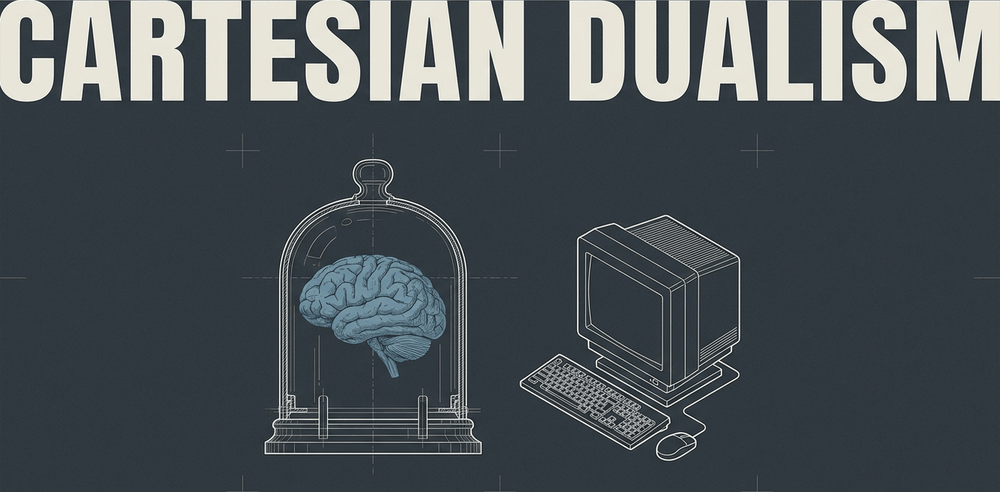
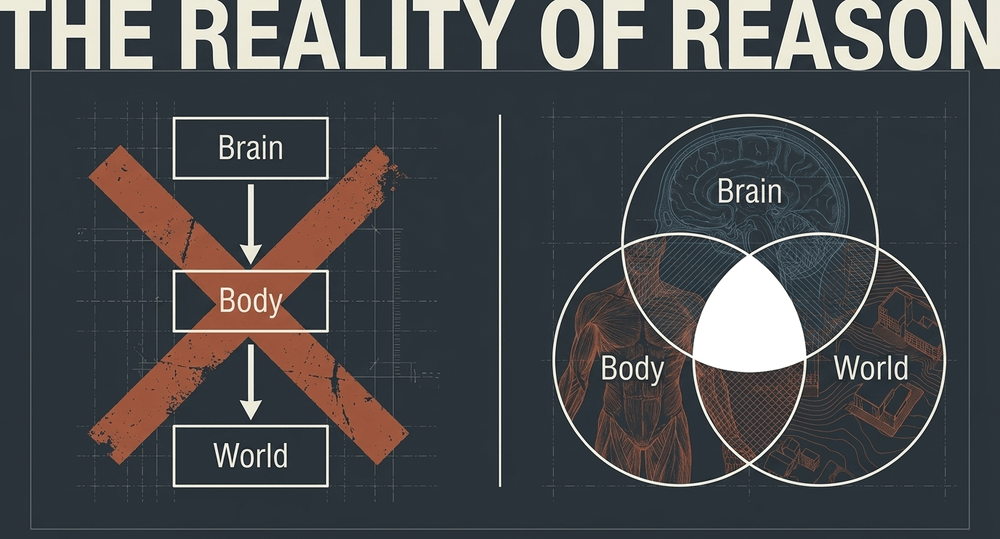
The traditional scientific and philosophical view of the mind has long positioned it as a distinct entity - primarily a product of the brain, operating at arm's length from the rest of the body. This perspective, often called Cartesian dualism, draws a sharp line between mental phenomena and physical form. René Descartes famously described the mind as a non-physical substance interacting with, yet fundamentally separate from, the body it inhabits.
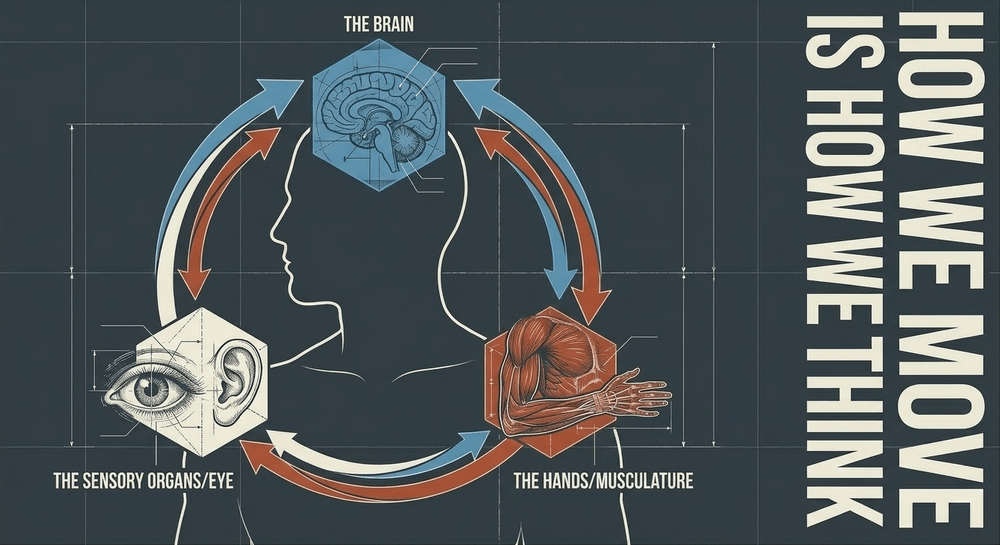
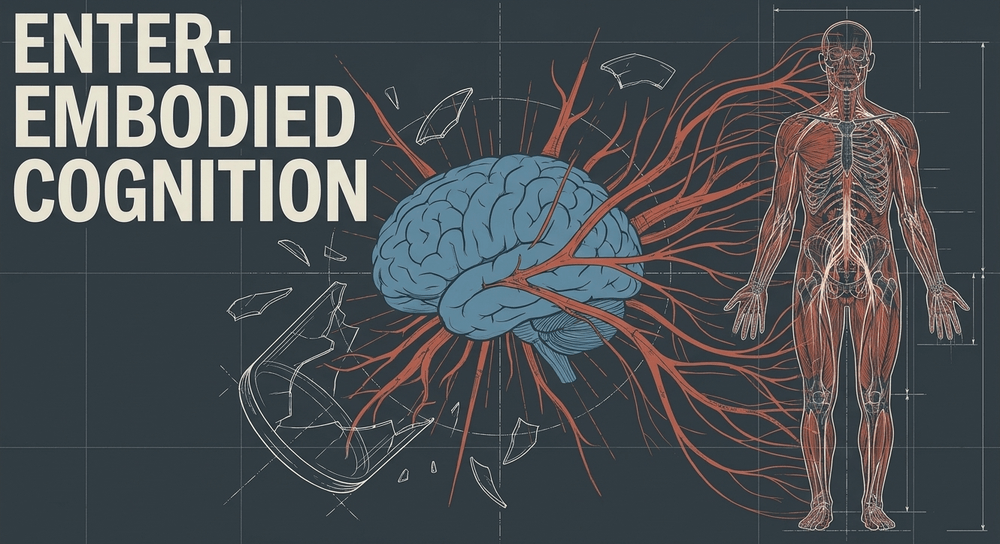
But a compelling and increasingly influential counter-narrative has emerged over the last several decades. The concept of the embodied mind challenges the notion of cognition as something housed in an isolated computational organ. It argues, instead, that how we move, how we sense, and how we engage with our physical environment are not peripheral to thinking - they are constitutive of it.
This paradigm shift has gathered substantial traction across psychology, neuroscience, philosophy, linguistics, and even artificial intelligence. What it proposes is genuinely unsettling to older assumptions: the brain is not a self-sufficient thinking machine. It is part of a far larger cognitive system that includes muscles, skin, gut, posture, and the world outside the skull.
What embodied cognition actually claims
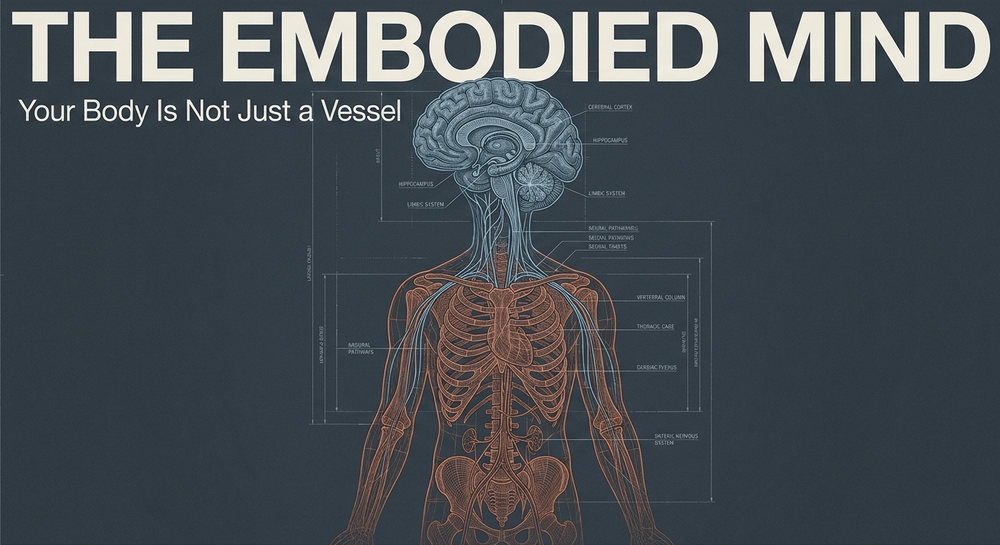
At its core, embodied cognition is not a single unified theory but a diverse family of related positions. What unites them is the assertion that cognitive processes are shaped by the organism's bodily capacities, its sensorimotor systems, and its continuous interactions with the environment.
This is not the mild claim that bodily states sometimes influence thinking - that you concentrate less well when you're hungry, or that pain is distracting. The stronger and more scientifically interesting claim is that the body's structure and its patterns of action are constitutively involved in cognition itself: in how we form concepts, understand language, retrieve memories, and reason about abstract ideas.
The Cartesian alternative - still implicit in much cognitive science - imagines the brain processing symbolic representations in a way that is, at some level, independent of the particular kind of body that houses it. Embodied cognition denies this. It argues that the mind is not a disembodied computer running on biological hardware; it is a system that could not exist or function as it does without the specific physical form it takes.
The sensorimotor system as cognitive infrastructure
One of the most well-supported lines of evidence involves the role of sensorimotor systems in higher cognition. The classical view held that perception and motor action feed into thought but are otherwise separate from it. The embodied view holds that thinking frequently reactivates perceptual and motor representations - that to understand a concept is, in part, to simulate the sensory and motor experience associated with it.
Neuroimaging research has provided striking support for this. When participants read action words - words like "kick," "grasp," or "lick" - activity increases in the specific motor cortex regions that would be involved in actually performing those actions. This is not a metaphor. The neural substrates of motor action appear to be directly engaged when comprehending language about action.
Broca's area, a cortical region critical to speech production, is part of the human mirror system and plausibly involved in language-related action simulation. According to action simulation theory, humans understand and anticipate the actions of others by mentally simulating those actions within their own motor systems - a process that may form a neurological foundation for language acquisition itself.
The Center for the Neuroscience of Embodied Cognition at the University of Southern California has been exploring the hypothesis that rudimentary sensory-motor brain regions - originally evolved to process the body's own states - may be intrinsically involved in higher cognitive functions including language, thought, emotion, empathy, and social understanding. The implications, if borne out, are profound: the very circuitry that helps a hand grasp an object may be the same circuitry that helps a mind grasp an idea.
How the body shapes perception
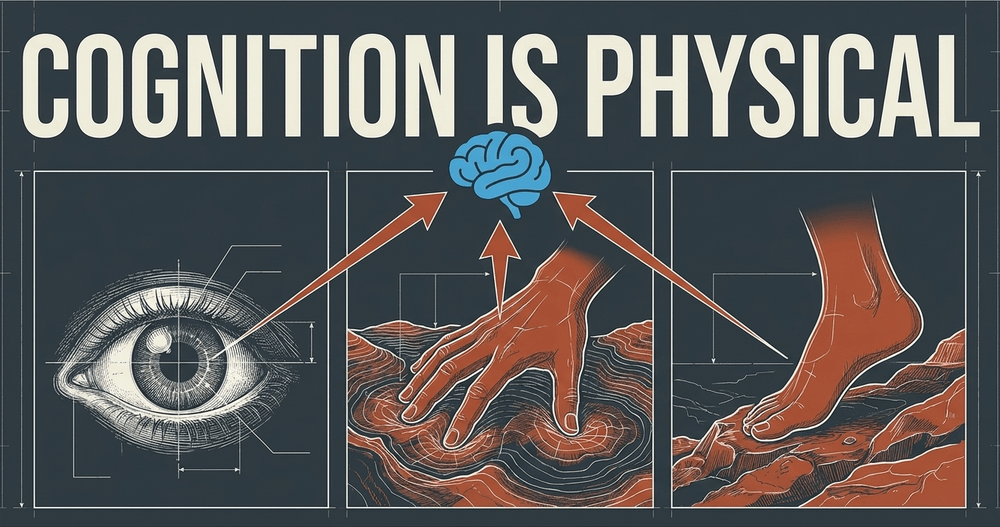
The body doesn't just participate in cognition from the inside - it alters how the external world appears. Researchers have found that physical states and bodily capacities reliably shift perception in measurable ways.
Hills appear steeper to tired walkers than to rested ones. Distances look greater when you're wearing a heavy backpack. Targets appear larger and closer to athletes who are confident and physically prepared. These findings are not merely about motivation or mood; they reflect genuine changes in perceptual judgment tied to the body's current physical capacity for action.
This phenomenon - sometimes called action-specific perception - suggests that we perceive the environment not as a neutral set of facts but partly through the lens of what our body can do within it. The world is appraised, implicitly and continuously, in terms of the energy and effort required to act upon it.
Posture, emotion, and the bidirectional body
One of the more practically striking areas of research concerns the relationship between bodily posture and emotional or cognitive states. The conventional assumption is that emotional states cause bodily expressions - we feel sad, so our shoulders droop. Embodied cognition research complicates this picture considerably.
Studies have shown that a stooped, slumped posture impairs mood recovery following a negative experience and increases the recall of negative memories compared to an upright posture. This effect appears to be independent of whether participants were instructed to regulate their emotions. Posture, in other words, is not merely downstream of emotional processing - it actively shapes it.
Related work has found that adopting expansive, open body postures produces measurable neuroendocrine changes, including increases in testosterone and decreases in cortisol, with associated effects on risk tolerance and feelings of efficacy. Whether these effects are robust across contexts remains an active area of debate, but the general principle - that bodily configuration feeds back into cognitive and affective states - has accumulated considerable empirical support.
Facial expressions tell a similar story. Early research proposed that the muscular feedback from facial expression contributes to the experience of the underlying emotion. The precise mechanisms are still contested, but the broader claim that the face is not merely a display screen for internal states - that it participates actively in emotional processing - has survived sustained scrutiny.
The body's role in memory
Memory is perhaps the clearest example of a cognitive process most people instinctively think of as "purely mental." But embodied cognition research has persistently complicated this view.
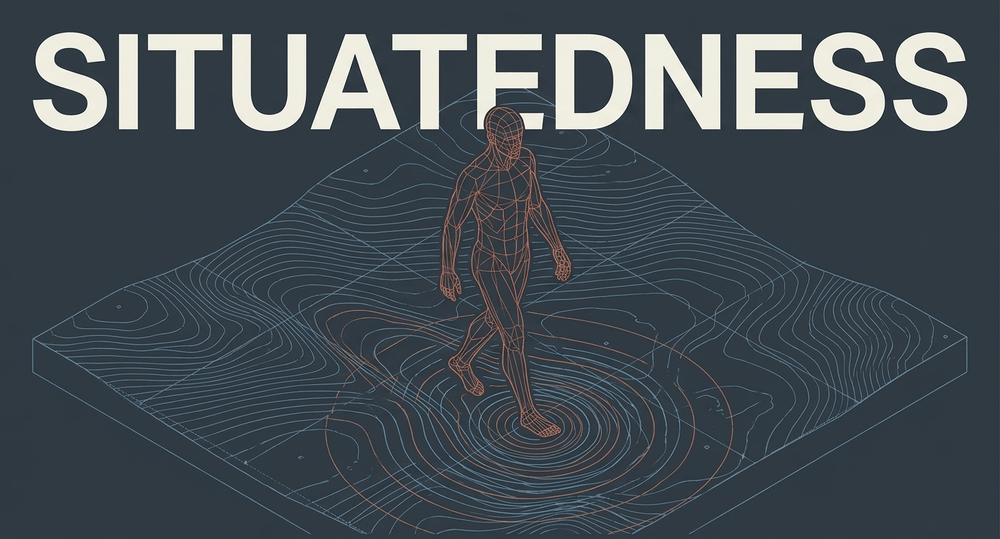
Memories are not retrieved as static files from a neutral database. They are reconstructive processes that draw on sensorimotor experience. The context in which something is learned - including the bodily state and physical environment at the time - influences how easily it can be retrieved. Physical re-enactment of the conditions under which learning occurred can facilitate recall. Gestures made while studying material appear to improve later retrieval. Bodily action during learning is not decoration; it seems to scaffold the encoding process itself.
One body of work has found that walking in a particular direction - forward rather than backward - improves access to future-oriented thoughts, while backward walking promotes retrieval of past memories. The body's spatial orientation appears to interface with the temporal organization of memory in ways that the classical model of cognition simply could not anticipate.
Mirror neurons and social cognition
The discovery of mirror neurons - first in macaque monkeys, and subsequently inferred through neuroimaging in humans - generated enormous interest in embodied accounts of social cognition. These neurons fire both when an animal performs an action and when it observes another performing the same action. They appear to form part of a system for linking observation to action representation.
The human mirror neuron system includes regions implicated in imitation, empathy, and theory of mind. fMRI studies have found common neural activation across tasks involving all three capacities, suggesting a shared mechanism grounded in motor simulation. The "embodied simulation" hypothesis proposes that understanding others' actions and emotional states involves not just inference but something more like internal re-enactment: feeling how another person feels by running a motor simulation of their state.
This has significant implications for our understanding of empathy, social learning, and even language acquisition. If babies' brains internally simulate their parents' actions as if performing them directly, this may be more than metaphor - it may describe a literal neurological mechanism underlying the development of social cognition.
It is worth noting that the precise role of mirror neurons remains controversial. A careful critical assessment of the evidence suggests that neuroimaging data cannot always cleanly distinguish between embodied and classical accounts, and that the claim that mirror neurons subserve action understanding specifically is still being actively evaluated. The field has not been immune to oversimplification and hype. That said, the weight of the evidence supports a meaningful connection between motor systems and higher social and linguistic functions.
Language is grounded in bodily experience
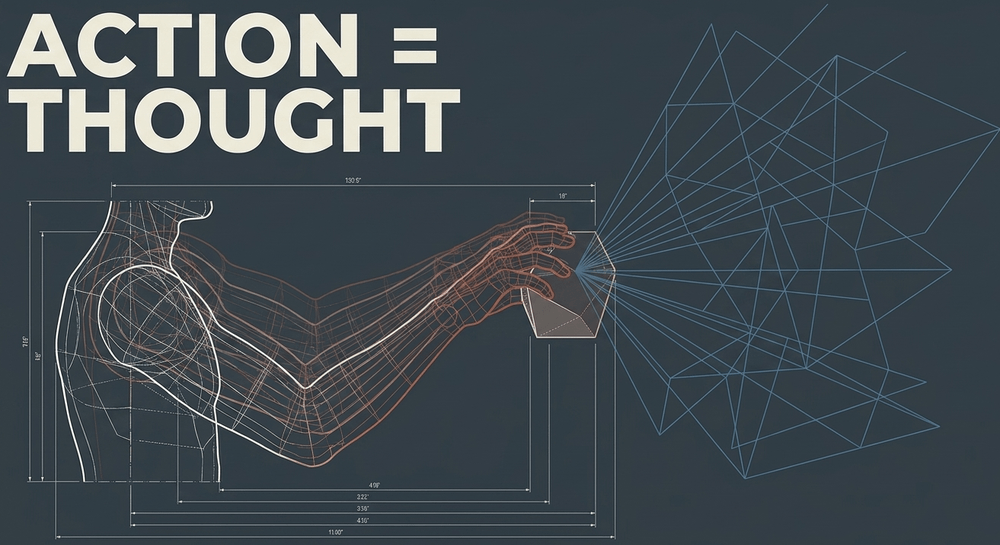
One of the most counterintuitive predictions of embodied cognition is that abstract language is rooted in physical experience. Cognitive linguists George Lakoff and Mark Johnson argued influentially that our entire conceptual system is structured by conceptual metaphors - systematic mappings from concrete bodily domains onto abstract ones.
We understand abstract time in terms of space (the future is "ahead," the past is "behind"). We understand anger through the bodily experience of heat and pressure ("boiling with rage," "about to explode"). We understand social status through verticality ("higher" positions, "looking up" to someone). These are not decorative linguistic choices - according to Lakoff and Johnson, they reflect the actual structure of our abstract concepts, which are grounded in patterns of embodied experience.
This matters because it means that even the most rarefied abstract thought - mathematical reasoning, moral deliberation, metaphysical speculation - may be scaffolded on sensorimotor foundations. The mind reaches for the abstract by recruiting the concrete. As Lakoff later developed, conceptual metaphors are likely implemented as neural mappings that reuse sensorimotor brain mechanisms for new purposes in language and reasoning.
The articles on mirror neurons and the chemistry of empathy and on understanding metacognition explore further dimensions of how bodily and reflective processes interact in cognition.
The gut-brain axis: cognition beyond the skull
Perhaps the most vivid extension of embodied cognition beyond the brain-body dyad is the growing literature on the gut-brain axis. The gastrointestinal tract communicates with the central nervous system through a dense, bidirectional network of neural, hormonal, and immune pathways. The enteric nervous system - sometimes called the "second brain" - contains roughly 100 to 500 million neurons and operates with considerable autonomy.
Recent research has extended this considerably. A 2026 paper in Frontiers in Neuroscience proposed that the gut microbiota may function as a constitutively relevant contributor to embodied cognitive architecture - meaning that cognition, emotion, and behavior cannot be fully understood in brain-isolated terms, but emerge from a sustained, bidirectional dialogue between the nervous system and its symbiotic microbial ecosystem.
The vagus nerve serves as a key conduit. Animal studies have shown that the anxiolytic and antidepressant effects of certain probiotic strains are blocked when the vagus nerve is sectioned, confirming that microbial effects on mood and cognition depend on this pathway. A type of enteric sensory cell has been identified that can propagate information from gut to brain via a single synapse with vagal neurons - in the order of milliseconds.
This research does not suggest the gut "thinks" in any meaningful sense. But it does indicate that the cellular and chemical environment of the gastrointestinal tract feeds into the neural substrates of mood, memory, and cognition in ways that are direct, measurable, and clinically significant. Mental health cannot be fully understood as a brain-only phenomenon.

Philosophical foundations
The scientific literature on embodied cognition did not emerge from a vacuum. It found philosophical precedent in the phenomenological tradition, particularly in the work of Maurice Merleau-Ponty, whose Phenomenology of Perception argued that consciousness is fundamentally embodied.
For Merleau-Ponty, the body is not an object that consciousness happens to inhabit. It is the very medium through which the world becomes intelligible. As he put it, his existence as subjectivity is bound up with his existence as a body and with the existence of the world - they cannot be disentangled. The lived body is not just one object among others; it is the condition of possibility for experience itself.
This stands in stark contrast to the Cartesian picture, where the mind is, in principle, conceivable apart from the body. For Merleau-Ponty, such a mind would not merely be incomplete - it would be incoherent. Without the bodily engagement with the world, there would be nothing for consciousness to be about.
Francisco Varela, Evan Thompson, and Eleanor Rosch extended these phenomenological insights into a scientific framework in their influential 1991 work The Embodied Mind, coining the term "enactivism" to describe the view that cognition is not information processing but a form of active engagement between organism and environment. The organism brings forth a world rather than merely representing a pre-given one.
The extended mind: cognition beyond the body
If the body extends cognition beyond the brain, the question arises: does cognition also extend beyond the body? Andy Clark and David Chalmers proposed the Extended Mind Thesis in a seminal 1998 paper, arguing that cognitive processes are not bounded by skin and skull. When a person uses a notebook, a smartphone, or environmental scaffolding to support reasoning and memory, those external tools become, in a meaningful sense, part of the cognitive system.
The thesis is genuinely provocative. It means that when we forget something we've outsourced to our phones, we haven't merely lost access to an external record - we've lost part of our cognitive apparatus. The cognitive system, on this view, is porous and dynamic, extending into the environment through tools, social structures, and practices.
This has clear implications for how we think about memory, expertise, and even personal identity. The experienced surgeon who loses fine motor control has lost something cognitive, not merely physical. The writer who loses their notebooks loses something of their thinking, not merely their records.
Situated cognition pushes further still, emphasizing that cognitive activity is inherently dependent on the cultural and social contexts within which it takes place. Thinking does not happen in a context-free space; it happens in specific places, with specific tools, in specific social relationships that shape what is possible to think and how.
Implications for learning and education
The educational implications of embodied cognition have attracted considerable research attention. A comprehensive review identified 247 articles on embodied teaching and learning in higher education alone, reflecting the scale of interest in translating the theory into pedagogical practice.
The core insight is that learning is not optimally achieved through passive reception of symbolic information. Physical manipulation of objects, gesture, movement, and bodily engagement with learning materials improve encoding and retrieval. Children who act out mathematical concepts with their bodies show better retention than those who receive verbal instruction alone. Students who gesture while explaining their reasoning tend to learn more efficiently.
This runs against the dominant model of education as a seated, text-based, cognitively disembodied enterprise. If concepts are grounded in sensorimotor experience, then instruction that systematically excludes the body from the learning process may be working against the grain of how cognition actually functions.
Related discussions on how the brain processes and consolidates information appear in the article on how your brain resets and saves memories during sleep, where consolidation processes interact with the embodied experiences of the waking day.

Embodied AI and the future of machine cognition
The implications for artificial intelligence are equally significant. The dominant paradigm in AI - particularly large language models - is, in a sense, the apotheosis of disembodied cognition: symbolic processing without a body, without sensorimotor experience, without a physical history of action in the world.
Researchers in embodied AI have argued that this architecture has fundamental limitations. An agent that lacks a body lacks the ground-level sensorimotor experience from which, according to embodied cognition theory, higher cognitive functions develop. It lacks the physical context that gives meaning to spatial language, causal reasoning, and social interaction.
Embodied AI proposes that artificial agents capable of genuinely general intelligence will need physical instantiation - robots that can act in the world, develop sensorimotor representations, and build cognitive structures from the ground up through environmental interaction. This is not a fringe position; it is backed by increasing theoretical and empirical support that the computational feats of language models may not map cleanly onto the kind of embodied, environmentally embedded cognition that characterizes biological minds.
Debates and open questions
The field is not without its critics and its genuine uncertainties. A thorough assessment of neuroimaging data has shown that some findings cannot cleanly distinguish between embodied accounts and classical cognitive accounts that posit amodal symbolic representations. The activation of motor areas during language processing does not unambiguously prove that motor simulation is constitutive of meaning rather than merely associated with it.
The scope of embodiment is also contested. How strongly, and in what domains, does bodily state constrain cognition? Some researchers argue for a thoroughgoing embodied account in which virtually all cognition is body-dependent; others accept a more moderate view in which some cognitive processes are genuinely abstract and modular. The debate is ongoing, and the empirical picture is genuinely complex.
There are also persistent methodological challenges in distinguishing genuine embodied effects from confounds, particularly in posture and emotion research where social demand characteristics and experimenter expectancy effects can be difficult to control.
None of this settles the question against the embodied view - it is a mark of a maturing scientific program that it grapples seriously with disconfirming evidence and alternative explanations. But it does counsel against treating any particular finding as definitive proof of a comprehensive theory.

A different kind of mind
What emerges from this body of research, taken as a whole, is a picture of the mind that is fundamentally different from the Cartesian model that still, implicitly, shapes much of how we think about ourselves.
The mind is not a ghost in the machine. It is a process that spans brain, body, and world - continuous with the sensorimotor history that shaped it, sensitive to the physical state that currently supports it, and extended into the environment that partly constitutes it.
This has consequences that reach well beyond philosophy. For clinical psychology, it suggests that bodily intervention - movement, posture, physical engagement - may be legitimate routes to cognitive and emotional change. For education, it means the body in the classroom is a cognitive resource, not a management problem. For medicine, it suggests that mental health cannot be adequately addressed without attending to the gut, the endocrine system, and the physical environment of daily life.
"The body is our general medium for having a world." - Maurice Merleau-Ponty, Phenomenology of Perception
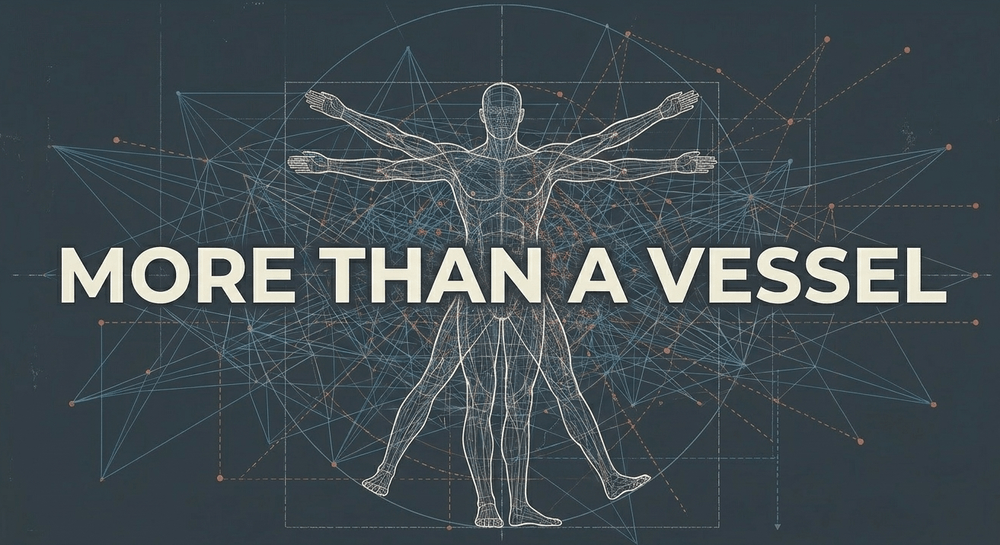
The question of what it means to think turns out to be inseparable from the question of what it means to inhabit a body. And that, in the end, is not a limitation of the mind. It is its condition of possibility.
Share now









Key takeaways
- Embodied cognition holds that cognitive processes are not confined to the brain but are actively shaped by the body's physical structure, sensorimotor systems, and ongoing interactions with the environment.
- The framework directly opposes Cartesian dualism - the historically dominant view that mind and body are fundamentally separate substances.
- Neuroimaging studies show that reading action words (e.g., "kick," "grasp") activates the specific motor cortex regions corresponding to those actions, suggesting motor simulation is part of language comprehension.
- Physical states alter perception: hills appear steeper when fatigued, distances seem greater under heavy loads - reflecting the body's real-time assessment of action capacity.
- Slumped or stooped posture impairs mood recovery and increases recall of negative memories compared to an upright posture, demonstrating that bodily configuration actively shapes emotional processing.
- The gut-brain axis is a bidirectional communication network involving neural, hormonal, and immune pathways; emerging research suggests gut microbiota may be a constitutive contributor to cognitive architecture, not merely an indirect influencer.
- Mirror neurons - neurons that fire both during action and during observation of the same action - form the neurological basis of the embodied simulation hypothesis, linking motor systems to empathy, imitation, and social understanding.
- Conceptual metaphor theory (Lakoff and Johnson) proposes that abstract thought is scaffolded on bodily experience: concepts like time, anger, and status are understood through mappings from concrete sensorimotor domains.
- The Extended Mind Thesis (Clark and Chalmers) argues that cognition is not bounded by skin and skull; external tools, notebooks, and environmental scaffolding can become functional parts of a cognitive system.
- Embodied learning - involving physical manipulation, gesture, and movement during instruction - produces measurably better memory encoding and retrieval than passive, text-based learning alone.
Sources
- Stanford Encyclopedia of Philosophy https://plato.stanford.edu/entries/embodied-cognition/
- PMC / NIH - The embodied brain: towards a radical embodied cognitive neuroscience https://pmc.ncbi.nlm.nih.gov/articles/PMC4422034/
- Frontiers in Neuroscience - Beyond the 'second brain': gut microbiota as constitutive co-constructor of embodied cognitive network https://www.frontiersin.org/journals/neuroscience/articles/10.3389/fnins.2026.1808839/full
- Royal Society / Philosophical Transactions B - Minds in movement: embodied cognition in the age of artificial intelligence https://royalsocietypublishing.org/rstb/article/379/1911/20230144/109521/Minds-in-movement-embodied-cognition-in-the-age-of
- PMC / NIH - Gut-Brain Axis: Effects of Gut Health on Cognitive Functioning in Adults https://pmc.ncbi.nlm.nih.gov/articles/PMC11315957/
- Published 2026-06-15 22:21
- Modified 2026-06-15 22:21

-
Redaction