

-
 Redaction
Mitochondria and longevity: the science of energy
Explore the science of mitochondrial health: how exercise, temperature therapy, and targeted supplements support cellular energy, healthspan, and vitality.
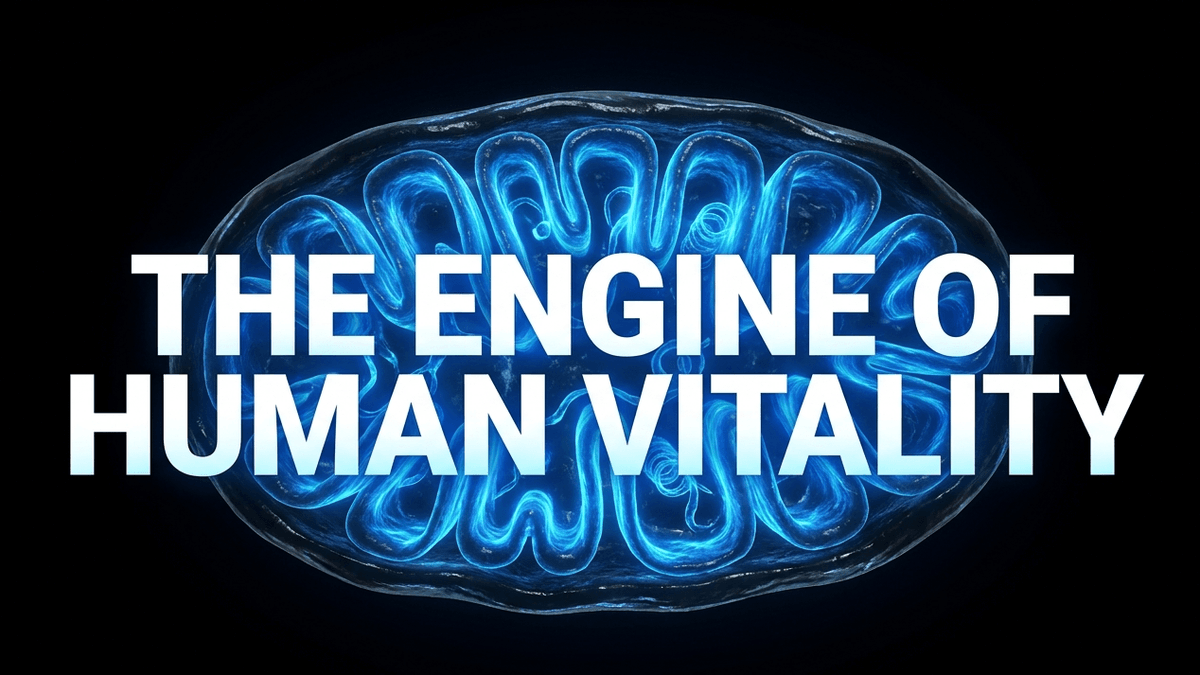
The fundamental unit of human vitality is not found in a pill or a single habit, but within the microscopic architecture of our cells. Mitochondria, often referred to as the "powerhouses of the cell," are essential organelles responsible for producing adenosine triphosphate (ATP). This molecule serves as the primary energy currency for nearly every cellular process in the human body. Without efficient ATP production, the biological machinery that sustains life begins to falter.
However, the role of these organelles extends far beyond mere energy generation. They are sophisticated regulators of metabolism, cell death, calcium homeostasis, and systemic inflammation. Understanding these functions is the first step toward a proactive approach to health that respects the intricate biological realities of our existence.
Mitochondrial health is inextricably linked to longevity and healthspan. As we navigate the complexities of aging, we observe a progressive decline in mitochondrial function, which serves as a significant driver of age-related diseases. This decline is characterized by reduced ATP output and increased leakage of Reactive Oxygen Species (ROS). When ROS levels rise, they trigger oxidative stress, causing cumulative damage to cellular components such as DNA, proteins, and lipids. This internal weathering is a quiet but persistent architect of physical decline. It is a process that requires our attention, not as a source of fear, but as a map for intervention.
The biological cost of mitochondrial dysfunction
One of the most striking aspects of mitochondrial biology is the vulnerability of their genetic material. Mitochondrial DNA (mtDNA) mutates up to 10 times faster than the DNA found in the cell's nucleus. This high mutation rate, combined with impaired mitochondrial biogenesis - the generation of new healthy mitochondria - and failing mitophagy - the selective removal of damaged mitochondria - creates a cycle of cellular degradation.
When the body can no longer efficiently recycle its old "batteries" or build new ones, it enters a state of chronic low-grade inflammation, a phenomenon researchers frequently call "inflammaging." It is a slow, almost invisible drift, and yet its consequences ripple through nearly every organ system we depend on.
The medical community increasingly recognizes that this dysfunction is not a localized issue but a systemic one. Tens of millions of people are affected by conditions linked to mitochondrial health, and the impact spans various medical disciplines:
- Neurodegenerative disorders. Conditions such as Alzheimer's, Parkinson's, and ALS are deeply rooted in mitochondrial failure. In Parkinson's disease specifically, researchers have observed significantly reduced levels of CoQ10 and impaired respiratory chain function within the brain's neurons.
- Metabolic syndromes. A consistent decline in mitochondrial efficiency is found in individuals with type 2 diabetes and obesity. When mitochondria cannot process fuel effectively, insulin resistance often follows.
- Cardiovascular diseases. The heart is one of the most energy-demanding organs we carry. Heart failure is frequently accompanied by a collapse in mitochondrial energy production and structural integrity.
- Autoimmune and systemic issues. Research suggests a mitochondrial basis for multiple sclerosis, lupus, and rheumatoid arthritis. Beyond this, roughly 1 in 5,000 individuals lives with a primary genetic mitochondrial disease, though many cases remain misdiagnosed or unrecognized for years.

Lifestyle interventions for mitochondrial renewal
If we view mitochondria as the engine of the cell, then lifestyle interventions are the primary means of maintenance. According to current longevity research, exercise is the most powerful and reliable way to improve mitochondrial health. Physical activity does not just burn calories; it sends a signal to the body that more energy is required, which in turn stimulates the creation of new mitochondria.
This process, known as biogenesis, increases both the density and efficiency of these organelles, particularly in muscle and heart tissue. It is one of the rare interventions in medicine that asks nothing of us but consistency, and rewards us at the cellular level almost immediately.
Aerobic exercises like brisk walking, cycling, or swimming are excellent for building mitochondrial volume. However, High-Intensity Interval Training (HIIT) has emerged as a particularly potent tool. Short bursts of intense effort followed by recovery periods create a hormetic stress that forces mitochondria to adapt and grow stronger. Research comparing endurance training and HIIT has shown that both increase oxidative capacity in skeletal muscle, even in older adults who may have previously been sedentary.
Resistance training complements this by preserving the quality of mitochondria within muscle fibers, preventing the sarcopenia that often accompanies aging. Growing evidence also points to muscle strength itself as a meaningful marker of healthy aging, sometimes proving more predictive of long-term outcomes than body weight alone - a reminder that building and maintaining muscle is not a vanity pursuit but a longevity strategy.

Nutrition as a foundation, not a cure
Nutritional strategies play a secondary but vital role. A balanced diet rich in antioxidants, healthy fats, and quality proteins provides the building blocks for mitochondrial membranes. Avoiding chronic overconsumption is equally critical.
Constantly flooding the system with refined sugars and ultra-processed foods overloads the mitochondrial pathways, leading to "clogged" metabolic machinery and reduced efficiency. Periodic fasting or caloric restriction can be beneficial here, as these practices promote mitophagy, allowing the cell to digest and recycle its own damaged components to create a leaner, more efficient energy system.
It's worth pausing here to say something plainly: no supplement, however promising, will outperform the basic architecture of a good diet, regular movement, and restorative sleep. The molecules discussed later in this article work with that foundation, not instead of it.
The role of hormetic stress: Temperature and oxygen
Beyond diet and movement, we can utilize environmental stressors to recharge our cellular powerhouses. Temperature manipulation, or hormetic stress, challenges the body to maintain homeostasis, which requires significant mitochondrial involvement. Cold exposure, such as cold showers or ice baths, activates skeletal muscle to generate heat. This thermogenic demand recruits mitochondria and can increase their biogenesis. When combined with regular exercise, cold therapy acts as a synergistic booster for mitochondrial creation.
Conversely, heat therapy through saunas or hot baths has shown similar promise. Laboratory research on cultured muscle cells has demonstrated that mild, controlled heating can increase respiratory capacity and mitochondrial volume. This suggests that the occasional discomfort of heat can lead to long-term cellular resilience, though it is worth noting that most of this evidence remains preclinical rather than drawn from large human trials.
Additionally, oxygen therapies, including Exercise with Oxygen Therapy (EWOT) and Hyperbaric Oxygen Therapy (HBOT), are being utilized to increase oxygen delivery to tissues, providing the final electron acceptor needed for the ATP production process to function at its peak.

Targeted supplementation and molecular support
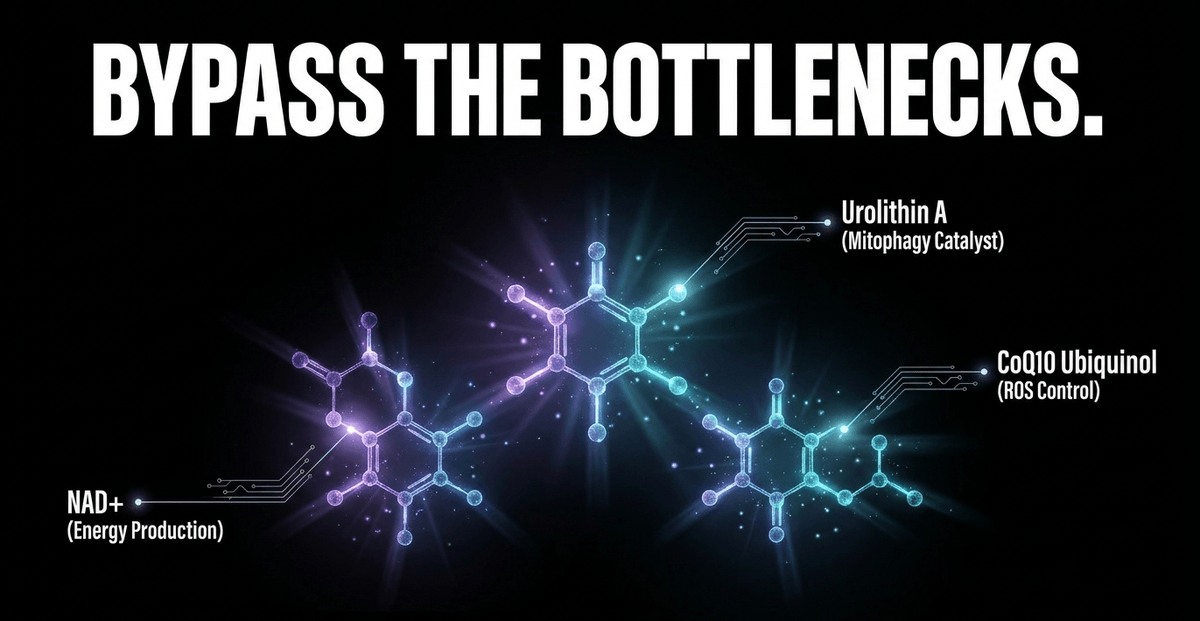
The landscape of modern longevity medicine heavily features molecules designed to bypass or repair mitochondrial bottlenecks. Nicotinamide Adenine Dinucleotide (NAD+) is perhaps the most famous of these. This coenzyme is essential for energy production, and its levels have long been assumed to decline steadily as we age.
That assumption deserves an honest update. A large, carefully controlled study published in Nature Metabolism in 2026, examining whole blood across seven independent human cohorts, found that NAD+ levels in blood remained remarkably stable with age and did not shift meaningfully in response to exercise or other lifestyle interventions - though they did rise, as expected, in response to nicotinamide riboside supplementation. This doesn't mean NAD+ is irrelevant to aging; tissue-specific evidence, particularly in muscle, still points toward age-related decline in certain compartments. But it does mean that blood NAD+ alone is a shakier biomarker than the wellness industry has often implied, and it is a useful reminder to hold even well-established longevity narratives with some humility. Boosting NAD+ through precursors like nicotinamide riboside (NR) or nicotinamide mononucleotide (NMN) still shows promise in laboratory and early clinical settings for supporting mitochondrial function, but the picture is more nuanced than a single downward line on a graph.
Other key molecules include:
- Urolithin A. This postbiotic is unique because it directly promotes mitophagy. It assists the cell in the vital task of recycling damaged mitochondria. Interestingly, research indicates only about 30 to 40 percent of the population possesses the gut bacteria necessary to produce meaningful levels of Urolithin A from food, which is why direct supplementation has become a focused area of interest for the rest of us.
- Coenzyme Q10 (CoQ10). Particularly in its bioactive form, ubiquinol, this antioxidant is vital for controlling the free radicals produced during energy synthesis. Production of CoQ10 naturally drops as the body ages, making it a staple in mitochondrial support protocols.
- Methylene blue. Though historically used as a textile dye and later as an antimalarial medication, it has gained attention in longevity circles for its ability to act as an alternative electron carrier in the mitochondrial respiratory chain at low doses. Early research suggests this may support ATP production and offer neuroprotective effects, though robust, large-scale human trials are still limited, and this is a compound best discussed with a physician before use rather than self-dosed.
- Spermidine and creatine. These compounds support cellular health through autophagy and enhanced energy buffering, respectively. Creatine, while often associated with bodybuilding, is increasingly recognized for its role in cardiovascular and cognitive health, and its ability to support the cell's energy reserves during periods of high demand.
The real question worth asking may not be whether NAD+ declines with age at all, but rather where in the body it declines, in whom, and with what real consequences for health. This is, in many ways, the honest state of longevity science today: less a settled story, more a map still being drawn.
The mechanics of quality control
To truly understand how to preserve our vitality, we must look at the internal regulatory systems that govern mitochondrial life cycles. The process is governed by a fuel sensor known as AMPK (AMP-activated protein kinase). When activated by exercise or caloric restriction, AMPK promotes longevity by controlling both the creation of new mitochondria and the destruction of old ones. A key regulator in this pathway is PGC-1alpha, which acts as the "master switch" for mitochondrial biogenesis.
Furthermore, the physical shape and movement of mitochondria - their dynamics - are essential. Mitochondria are not static; they undergo fusion, fission, and transport to adapt to the cell's needs. Altered dynamics, where mitochondria become fragmented and unable to fuse, are hallmarks of both aging and neurodegeneration. By promoting healthy fission and mitophagy, we help maintain a population of "young" mitochondria. This is why interventions that trigger these pathways are so central to modern longevity science.
Researchers are also paying closer attention to mitokines - signaling molecules released by stressed or struggling mitochondria that communicate with the rest of the body. This emerging area of study suggests that mitochondrial health is not just a cell-by-cell story but a systemic conversation, one that touches inflammation control and metabolic flexibility well beyond the tissue where the mitochondria themselves reside. If you're curious how this systemic inflammation connects to broader immune aging, it's a thread worth pulling on separately, as the two fields increasingly overlap.

Future horizons: Mitochondrial replacement
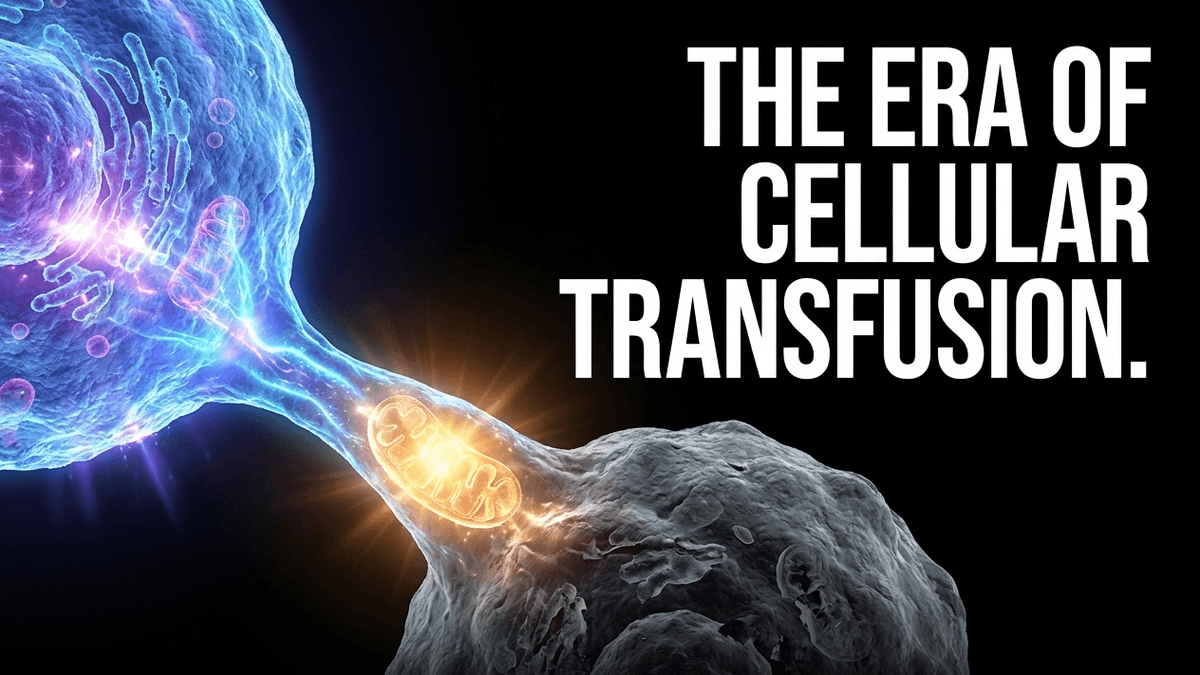
We are entering an era where we may no longer be limited entirely by the mitochondria we were born with. Researchers at Texas A&M University have recently developed a method to rejuvenate old and damaged human cells by replacing their compromised mitochondria with healthy ones. The technique relies on engineered nanomaterials nicknamed "nanoflowers," which prompt donor stem cells to produce two to four times more mitochondria than they normally would. These enriched stem cells then transfer their surplus energy-producing structures to neighboring struggling cells.
The results were striking: cells that received the new mitochondria not only regained their energy output but also showed greater resistance to cell death, even after exposure to damaging agents like chemotherapy drugs. As the lead researcher, Dr. Akhilesh Gaharwar, described it, the healthy cells were essentially trained "to share their spare batteries with weaker ones." This breakthrough, published in the Proceedings of the National Academy of Sciences and supported by funding from the National Institutes of Health, the Welch Foundation, and the Department of Defense, represents a meaningful shift from managing decline to actively working to reverse it, without relying on genetic modification or pharmaceutical intervention.
While the science is rapidly advancing, it is important to maintain a grounded perspective. The scientific community often cautions against excessive marketing claims regarding immediate lifespan extension, and the NAD+ story above is a useful case study in why that caution matters. The exact causal link between mitochondrial boosting and total years lived is a complex web that researchers are still untangling.
However, the evidence for improving healthspan - the years we live in good health - is robust. By focusing on the health of these tiny organelles, we are addressing the very foundation of our biological existence. Recharging our mitochondria is not just about living longer; it is about ensuring that every cell in our body has the energy it needs to function with clarity, strength, and resilience.
If muscle health is part of your own longevity plan, it's worth exploring how mitochondrial density in muscle fibers directly supports the strength and metabolic flexibility that research increasingly ties to healthy aging - a connection that makes resistance training and mitochondrial care two sides of the same coin.
Share now









Key takeaways
- Mitochondria produce adenosine triphosphate (ATP), the primary energy currency for nearly every cellular process in the body.
- Beyond energy production, mitochondria regulate metabolism, cell death, calcium homeostasis, and systemic inflammation.
- Mitochondrial dysfunction is considered a primary hallmark of aging and a driver of chronic diseases, including Alzheimer's, Parkinson's, type 2 diabetes, and heart failure.
- Mitochondrial DNA (mtDNA) mutates up to 10 times faster than nuclear DNA, contributing to a state researchers call "inflammaging."
- Roughly 1 in 5,000 people lives with a primary genetic mitochondrial disease, though many cases go undiagnosed.
- Exercise, especially High-Intensity Interval Training (HIIT), is considered the most reliable way to stimulate mitochondrial biogenesis, even in older, previously sedentary adults.
- Only about 30 to 40 percent of people naturally have the gut bacteria needed to produce meaningful Urolithin A from food.
- A major 2026 Nature Metabolism study found that whole-blood NAD+ levels remain stable with age and lifestyle changes, challenging its use as a reliable aging biomarker.
- AMPK acts as the body's cellular fuel sensor, while PGC-1alpha serves as the "master switch" for creating new mitochondria.
- Cold exposure and heat therapy (saunas) both act as hormetic stressors that can recruit and stimulate mitochondrial biogenesis.
- Texas A&M researchers used engineered "nanoflower" nanomaterials to help stem cells transfer two to four times more mitochondria to damaged or aging cells.
- Rejuvenated cells in this mitochondrial transfer research resisted cell death even after exposure to chemotherapy drugs, without any genetic modification.
Sources
- Texas A&M University Engineering https://engineering.tamu.edu/news/2025/11/recharging-the-powerhouse-of-the-cell.html
- Nature Metabolism https://www.nature.com/articles/s42255-026-01537-5
- UMDF (United Mitochondrial Disease Foundation) https://umdf.org/mitochondrial-defects-are-a-central-factor-in-common-illnesses/
- Cleveland Clinic https://my.clevelandclinic.org/health/diseases/15612-mitochondrial-diseases
- Northeastern University https://news.northeastern.edu/2026/03/02/mitochondria-health-wellness-longevity/
- Published 2026-07-16 17:32
- Modified 2026-07-16 17:32

-
Redaction