




-
 Redaction
The neurobiology of resilience and adaptive stress
An analysis of the neural mechanisms, endocrine systems, and genetic factors that allow the human brain to adapt and recover following psychological adversity.
What is resilience as a biological process?
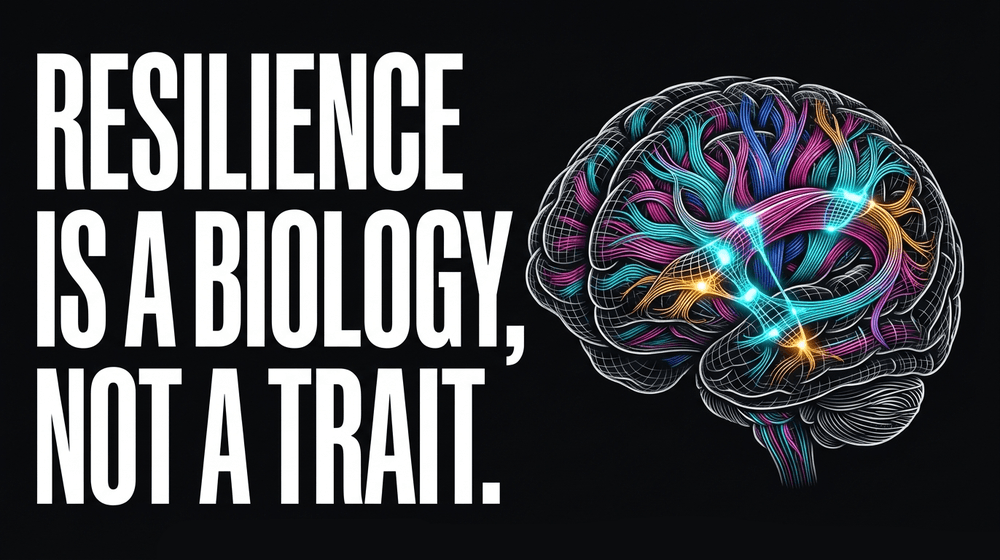
Resilience is not a personality trait you either have or lack. Modern neuroscience defines it as an active, dynamic biological process - one in which the brain and body continuously recalibrate in response to adversity. This distinction matters enormously. Rather than asking why some people are "born resilient," researchers now ask how the brain's systems coordinate to support recovery - and, critically, how those systems can be strengthened.
The neurobiology of resilience involves the coordinated activity of multiple neural pathways, hormonal feedback loops, and molecular signaling mechanisms. No single gene, brain region, or neurotransmitter determines a person's stress response. Instead, resilience emerges from the dynamic interplay of all of them, operating less like a switch and more like a weather system, with many small variables shifting the outcome at once.
It also helps to understand what resilience is not. It is not the absence of a stress response - a nervous system that never activates under threat would be a liability, not an asset. Stress itself is, in the words of researchers working in this field, largely adaptive: it exists to help the organism respond to a changing environment and protect its wellbeing. What separates a resilient response from a vulnerable one isn't whether the alarm goes off. It's how efficiently the system quiets back down once the danger has passed.
Allostatic load: the cost of chronic adaptation
To understand why some nervous systems recover cleanly while others don't, it helps to borrow a concept from the neuroendocrinologist Bruce McEwen: allostatic load. Allostasis refers to the body's ability to achieve stability through change - adjusting hormones, heart rate, and immune activity to match the demands of the moment. Allostatic load is what happens when that adjustment machinery is switched on too often, for too long, or fails to switch off cleanly.
This is a genuinely useful reframing of resilience, because it shifts the question away from "does this person have a strong or weak stress response" and toward "how much cumulative wear has this person's regulatory systems already absorbed." A single stressful event, even an intense one, rarely does lasting damage on its own. It is the repeated, unresolved cycling of the stress response - hormones released but never fully cleared, vigilance never fully stood down - that produces the wear-and-tear pattern linked to cardiovascular disease, cognitive decline, and psychiatric vulnerability over time.
This is also why two people can face objectively similar hardships and emerge in very different places. The person with lower allostatic load going in has more physiological reserve to draw on. Resilience, seen this way, is partly about how much capacity remains in the tank before the adversity even begins.

Neural plasticity and structural adaptation
At the foundation of neurobiological resilience is neural plasticity - the brain's lifelong capacity to reorganize itself by forming new synaptic connections and modifying existing ones in response to experience, learning, or injury.
Following physical or psychological trauma, plasticity acts as a compensatory mechanism. After a traumatic brain injury, for example, surrounding neurons can reroute their pathways and establish new synapses to recover lost functions. Resilient individuals tend to demonstrate robust plastic responses to adversity. In contrast, those who are more vulnerable may experience what researchers describe as a failure of plasticity - the brain adapts, but maladaptively, strengthening fear-associated pathways and hypervigilance circuits without activating the compensatory changes that support recovery.
It's worth being precise here, because the popular image of neuroplasticity as an unlimited, always-positive force is a bit of an oversimplification. The dendrites of neurons in regions like the hippocampus, the prefrontal cortex, the amygdala, and the nucleus accumbens can shrink or grow, becoming less or more branched, depending entirely on the pattern and duration of the experience driving that change. Plasticity is directionally neutral. It builds resilience when it's given the right inputs, and it can just as readily entrench a fear response when it isn't.

The role of the prefrontal cortex in emotional regulation
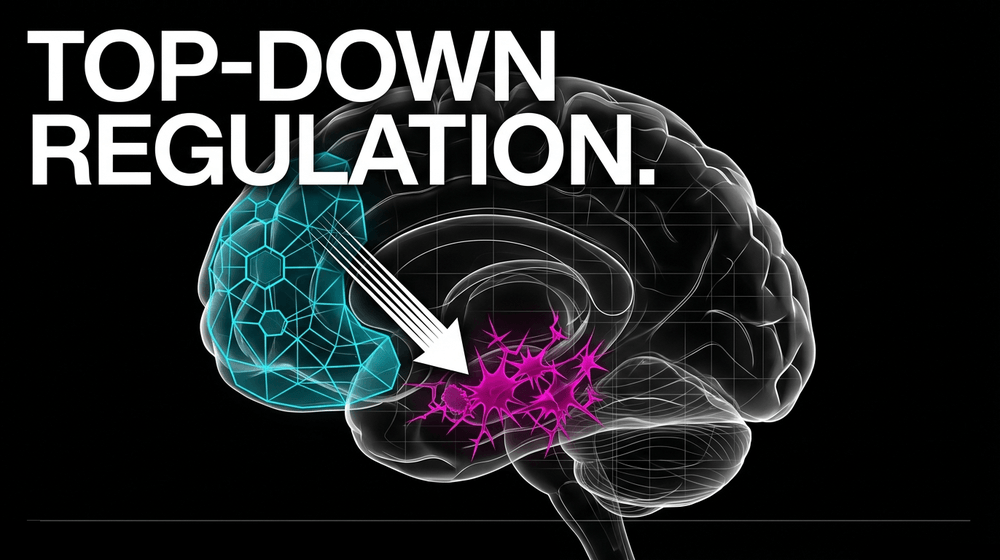
The prefrontal cortex (PFC), located directly behind the forehead, is the brain's command center for higher cognitive functions: decision-making, problem-solving, future planning, and - crucially - emotional regulation. Resilient individuals consistently show elevated PFC activity, which enables better inhibition of impulsive responses and more adaptive choices under pressure.
Inhibitory control over the amygdala
One of the PFC's most critical resilience functions is its inhibitory control over the amygdala. By dampening amygdala reactivity, the PFC prevents raw emotional responses from overriding rational thought. This top-down regulation is a neurological cornerstone of stress recovery.
Importantly, the PFC is the last brain region to fully mature - a process that is often not complete until the mid-to-late twenties. This makes adolescence a particularly critical window for resilience development. Targeted interventions during this period can meaningfully strengthen PFC activity and provide lasting protection against stress-related disorders. On the other side of this equation, chronic stress is known to physically alter the PFC over time, thinning dendritic branching in ways that gradually erode the very capacity needed to manage distress.
Amygdala reactivity and threat detection
The amygdala functions as the brain's primary alarm system, scanning the environment for potential threats. Resilient individuals show measurably lower baseline amygdala reactivity, reflecting effective modulation of emotional responses before they escalate.
Structural connectivity matters here too. Greater white matter connectivity between the PFC and the amygdala is associated with faster emotional recovery following upsetting experiences. When this connectivity is weak or disrupted, the amygdala may remain in a state of chronic overactivation - a neurological pattern strongly linked to anxiety disorders, PTSD, and depression.
Notably, research has identified specific patterns of amygdala hypersensitivity in non-depressed young adults with a familial risk of depression. This suggests that amygdala dysregulation may be a preclinical marker of vulnerability, appearing before any clinical symptoms emerge - a finding with real implications for early screening and preventive care, a topic we return to later in this article.

The hippocampus and contextual processing
The hippocampus plays an essential role in memory formation and contextual processing - two capacities that are central to resilience. A healthy, well-functioning hippocampus helps the brain distinguish between genuine threats and perceived ones, placing stressors within their proper context rather than allowing a fear response to generalize across all similar situations.
Chronic stress is known to reduce hippocampal volume. Resilient individuals, however, often show more preserved hippocampal structure, maintaining the clarity of contextual processing even under prolonged adversity. This preservation is part of what allows resilient people to avoid the cognitive distortions that commonly accompany stress-related mental illness - the tendency, for instance, to treat a single difficult conversation as evidence that every future conversation will go the same way.

Hypothalamic-pituitary-adrenal (HPA) axis regulation
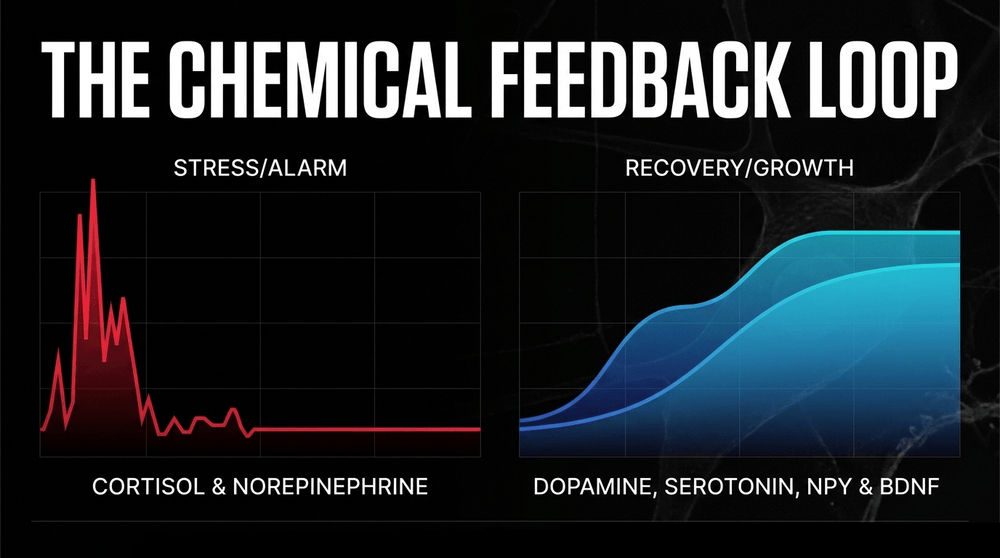
The hypothalamic-pituitary-adrenal (HPA) axis is the body's master neuroendocrine stress system. When a threat is perceived, the hypothalamus releases corticotropin-releasing hormone (CRH), which triggers the pituitary gland to secrete adrenocorticotropic hormone (ACTH), which in turn stimulates the adrenal glands to release cortisol - the primary stress hormone.
In resilient individuals, this cascade is tightly regulated. The hallmark of a resilient HPA axis is its ability to shut down efficiently once the stressor has passed, returning cortisol levels to baseline quickly and preventing the prolonged exposure that damages tissues and impairs cognition.
Chronic dysfunction of the HPA axis - often the result of unrelenting or repeated stress - is strongly associated with fatigue, anxiety, depression, and compromised immune function. The efficiency of the axis's negative feedback loop is, in many ways, a biological fingerprint of resilience.
The HPA axis doesn't operate in isolation from the rest of the body's timing systems, either. Its activity follows a circadian rhythm, rising in the early morning and tapering through the day, and this rhythm interacts closely with sleep, light exposure, and the body's internal clock. Disrupting that rhythm - through irregular sleep, shift work, or chronic jet lag - can itself degrade the axis's ability to regulate cortisol efficiently, independent of any external stressor.
Neurotransmitter systems and chemical stability
Resilience is deeply shaped by neurotransmitter balance. Several key chemical systems influence how the brain responds to and recovers from stress.
Serotonin and dopamine
Serotonin is critical for mood regulation and emotional stability. Imbalances contribute directly to mood disorders, and specific variants of the serotonin transporter gene (5-HTTLPR) have been associated with heightened stress vulnerability in certain environmental contexts.
Dopamine, the neurotransmitter most associated with motivation and reward, is equally important. Resilient individuals typically show more robust dopaminergic signaling. While acute stress can suppress dopamine release in the nucleus accumbens, it may simultaneously activate dopaminergic pathways in the medial prefrontal cortex - a differential response that reflects the nuanced role dopamine plays in adaptive stress processing. Genes including SLC6A3, DRD2, and COMT all influence how individuals process dopamine and, by extension, how resilient they tend to be.

Norepinephrine and neuropeptide Y
Norepinephrine heightens alertness and attention during fight-or-flight activation. In the short term, this sharpening of focus is adaptive - it helps a person respond effectively to immediate danger. However, sustained norepinephrine elevation can tip into anxiety and hyperarousal.
Neuropeptide Y (NPY) acts as a powerful counterbalance. By modulating the intensity of the stress response, NPY promotes emotional stability and prevents over-activation. Higher circulating NPY levels are consistently and robustly associated with greater psychological resilience and superior emotional regulation - a finding that has held across multiple study populations, including elite military personnel undergoing extreme survival training.
BDNF, neurosteroids, and the opioid system
Brain-Derived Neurotrophic Factor (BDNF) supports neural growth, connectivity, and synaptic strength. Its relationship with stress is nuanced and important: acute or moderate stress can transiently increase BDNF expression, while chronic or severe stress suppresses it - a finding that helps explain why sustained adversity gradually undermines the brain's structural resilience. A commonly studied variant of the BDNF gene, known as val66met, has been linked to differences in stress resilience across multiple human and animal studies, though its effects are substantially modulated by environmental context rather than acting alone.
The neurosteroid dehydroepiandrosterone (DHEA) provides neuroprotective effects and helps regulate mood, particularly by counteracting some of cortisol's more damaging effects. The brain's endogenous opioid system also contributes to resilience by managing pain and mediating feelings of reward, supporting the capacity to cope during both physical and psychological hardship.
Genetic and epigenetic influences on stress resilience
Genetics establish the baseline parameters of resilience, but they are far from deterministic. The FKBP5 gene, for instance, modulates glucocorticoid receptor sensitivity and shapes how efficiently the body regulates cortisol signaling after a stressor. Variants in this gene can either accelerate recovery or prolong cortisol exposure depending on the individual's stress history, and recent single-cell studies of postmortem human brain tissue have continued to confirm FKBP5 as one of the more consistently replicated markers of individual differences in stress vulnerability.
More broadly, the interplay between genetics and environment is a more accurate predictor of outcomes than either factor alone.
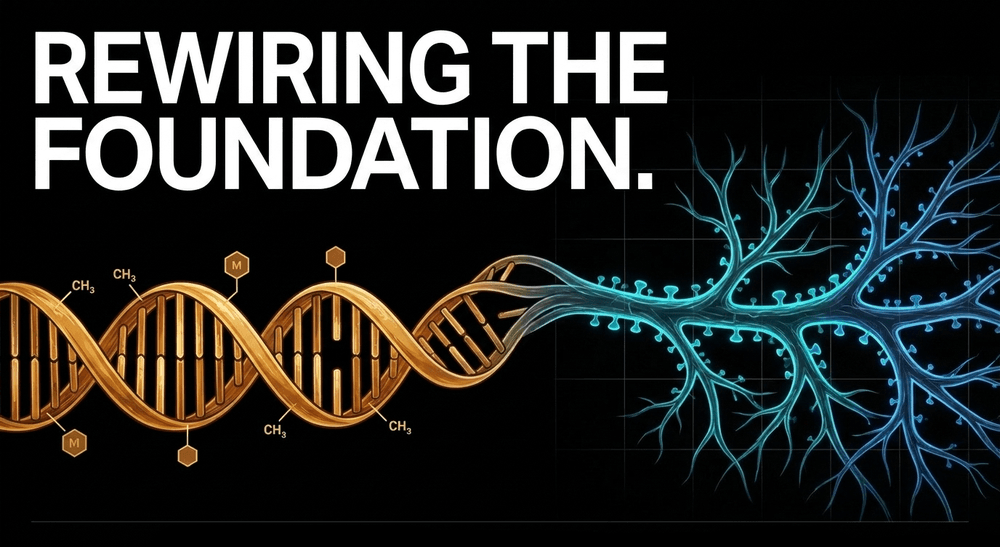
Epigenetic mechanisms - principally DNA methylation and histone modification - regulate how genes are expressed in response to lived experience without altering the underlying DNA sequence. Trauma and chronic adversity can leave lasting epigenetic marks that shift gene expression patterns for years or decades, and there is growing evidence that some of these marks can even be transmitted across generations, subtly programming the stress physiology of children whose parents experienced significant hardship before they were born.
A particularly important concept here is differential susceptibility: the same gene variant that increases vulnerability in a chaotic, unsupportive environment may actually promote exceptional thriving in a stable, nurturing one. This means that some of the most biologically "sensitive" individuals are not simply more at risk - they may also have the highest ceiling for flourishing given the right conditions.
Brain circuitry and functional connectivity
Neuroimaging research has identified the specific circuits through which resilience operates. The left and right amygdala, the anterior cingulate cortex, and regions of the prefrontal cortex form a network implicated in resilience across multiple psychiatric conditions, including PTSD and schizophrenia.
Resilient individuals consistently demonstrate higher functional connectivity within the frontoparietal central executive network (CEN). This network integrates executive control with emotional processing, allowing a person to interpret threatening events more accurately, suppress unwanted emotional imagery, and maintain goal-directed thinking even under significant psychological pressure. Strong CEN connectivity is, in effect, the brain architecture of staying calm and clear-headed in a crisis.
This is closely related to a phenomenon some researchers describe through the lens of shared neural architecture across conditions. Just as connectivity patterns in networks like the CEN can distinguish resilient from vulnerable individuals, similar network-level analysis has begun revealing overlapping connectivity signatures across seemingly distinct psychiatric diagnoses - a line of inquiry explored in more depth in our piece on the erosion of clinical boundaries in psychiatry, which looks at what this convergence means for how disorders are diagnosed and treated going forward.
Cognitive reappraisal and active resilience strategies
Neurobiology does not act alone - behavior and cognition actively shape the neural substrate of resilience. One of the most powerful tools available is cognitive reappraisal: the deliberate practice of reframing adverse experiences in less threatening or more meaningful terms.
Engaging in cognitive reappraisal activates the very PFC circuits that regulate amygdala response, creating a constructive feedback loop. Positive emotional engagement during difficult periods reduces autonomic arousal and strengthens the neural pathways associated with adaptive coping. This is not simply "positive thinking" - it is an evidence-based cognitive process with measurable neurobiological effects, one that can be deliberately cultivated through practice and therapeutic intervention.
Lifestyle factors that support neurobiological resilience
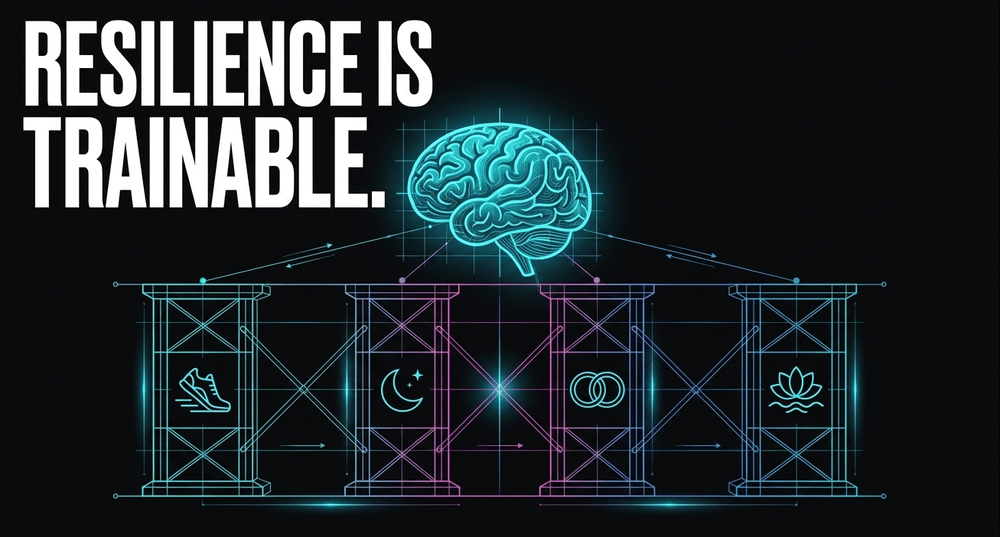
Emerging research increasingly links modifiable lifestyle behaviors to the strength of the brain's resilience systems, offering concrete pathways for intervention:
- Aerobic exercise consistently increases BDNF expression, supports hippocampal neurogenesis, and improves HPA axis regulation - perhaps the most evidence-backed biological resilience intervention available.
- Sleep quality is essential for emotional processing and memory consolidation. Chronic sleep disruption dysregulates the HPA axis and amplifies amygdala reactivity, and because HPA activity itself follows a circadian pattern, irregular sleep timing compounds the problem in ways that go beyond simple sleep loss.
- Social connection activates oxytocin pathways that buffer cortisol release, with strong social support networks reliably predicting better recovery from trauma.
- Mindfulness and meditation have been shown to increase gray matter density in the PFC and reduce amygdala reactivity over time, directly strengthening the neural architecture of resilience.
- Nutritional factors, particularly omega-3 fatty acids and gut microbiome health via the gut-brain axis, are gaining traction as modulators of neuroinflammation and serotonergic function, since a meaningful share of the body's serotonin signaling machinery is influenced by activity in the gut.
As one clinical summary of this literature puts it, a healthy brain shows resilience and recovery after the stressful experience is over - and each of these lifestyle levers works, in its own way, toward exactly that outcome: not eliminating the stress response, but helping it complete its cycle and stand down.
Can resilience be built? What the neuroscience suggests
One of the most clinically significant conclusions from this body of research is that resilience is trainable. Because it rests on plastic neural systems, it can be strengthened through targeted experience, therapeutic intervention, and deliberate practice.
Adolescence remains the highest-leverage window for resilience-building interventions due to ongoing PFC maturation, but neuroplasticity persists throughout life. Psychotherapeutic approaches such as cognitive-behavioral therapy (CBT) and trauma-focused therapies work, in part, by directly modifying the neural circuits described in this article - strengthening PFC-amygdala connectivity, retraining HPA axis regulation, and rebuilding hippocampal integrity.
The emerging field of precision psychiatry aims to match individuals to resilience-building interventions based on their specific genetic, epigenetic, and neurobiological profiles - moving beyond one-size-fits-all approaches toward treatments as tailored as the biology they target. Single-cell analyses of stress-responsive brain tissue are already beginning to identify which cell types within circuits like the HPA axis confer vulnerability versus resilience, work that may eventually allow clinicians to select interventions based on an individual's molecular profile rather than symptom checklists alone.
None of this is a guarantee, and it would be dishonest to present it as one. Resilience-building interventions help on average, across populations, and the biological mechanisms behind them are genuinely well established. But individual trajectories still vary, and the presence of severe or prolonged trauma can outpace what lifestyle change or therapy alone can repair. What the evidence does support, with real confidence, is that the nervous system retains the capacity to adapt in a protective direction throughout life - which is a meaningfully different, and more hopeful, claim than saying resilience is simply something you either have or don't.
Share now









Key takeaways
- Neural plasticity enables the brain to reorganize synaptic connections throughout life, supporting new emotional regulation strategies in response to experience, learning, or damage - but this reorganization is directionally neutral and can strengthen fear circuits just as readily as recovery circuits.
- Allostatic load describes the cumulative wear on the body's regulatory systems from repeated or unresolved stress cycles; it is often a better predictor of long-term outcomes than the intensity of any single stressful event.
- The prefrontal cortex (PFC) exerts top-down inhibitory control over the amygdala to dampen fear and threat responses; its maturation is not complete until the mid-to-late twenties, making adolescence a critical window for resilience-building interventions.
- Efficient HPA axis regulation - characterized by a rapid return to baseline cortisol levels after stress - is a defining biological hallmark of resilience; chronic dysregulation is linked to anxiety, depression, and impaired immune function.
- The HPA axis follows its own circadian rhythm, so irregular sleep and disrupted light exposure can impair cortisol regulation independently of any external stressor.
- Neuropeptide Y (NPY) counterbalances norepinephrine during stress, modulating the intensity of the fight-or-flight response; higher NPY levels are consistently associated with greater emotional resilience and superior stress regulation.
- BDNF (Brain-Derived Neurotrophic Factor) promotes neural growth and connectivity, but its effects are stress-dependent: acute stress can increase BDNF expression, while chronic or severe stress actively suppresses it.
- The FKBP5 gene influences resilience by modulating glucocorticoid receptor sensitivity, shaping how efficiently cortisol signaling is regulated and cleared following a stressor.
- Epigenetic mechanisms - including DNA methylation and histone modification - regulate gene expression in response to trauma or chronic adversity without altering the underlying DNA sequence, and some of these changes may be passed across generations.
- Cognitive reappraisal - actively reframing adverse experiences in less threatening terms - is an evidence-based strategy with measurable neurobiological effects, strengthening the same PFC circuits that regulate amygdala response.
- Aerobic exercise, quality sleep, strong social connection, and mindfulness practice each support the neurobiological infrastructure of resilience by modulating BDNF, HPA axis function, and PFC-amygdala connectivity.
- The differential susceptibility model shows that individuals with higher biological sensitivity to environment are not simply more vulnerable - they may also have the highest potential for flourishing given sufficiently supportive conditions.
Sources
- National Institutes of Health (PMC) - Neurobiology of resilience https://pmc.ncbi.nlm.nih.gov/articles/PMC5995579/
- American Physiological Society - Neurobiology and systems biology of stress resilience https://journals.physiology.org/doi/full/10.1152/physrev.00042.2023
- World Psychiatry (Wiley) - The untapped power of allostasis promoted by healthy lifestyles https://onlinelibrary.wiley.com/doi/full/10.1002/wps.20720
- Yale Medicine - Understanding the brain's resilience https://medicine.yale.edu/news/yale-medicine-magazine/article/understanding-the-brains-resilience/
- Dana Foundation - The resilient brain https://dana.org/article/the-resilient-brain/
- Published 2026-05-03 18:53
- Modified 2026-08-01 20:17

-
Redaction