






-
 Redaction
The engine of life: Mitochondrial bioenergetics
A comprehensive guide to enhancing mitochondrial function, biogenesis, and longevity through exercise, nutrition, and advanced biohacking strategies.
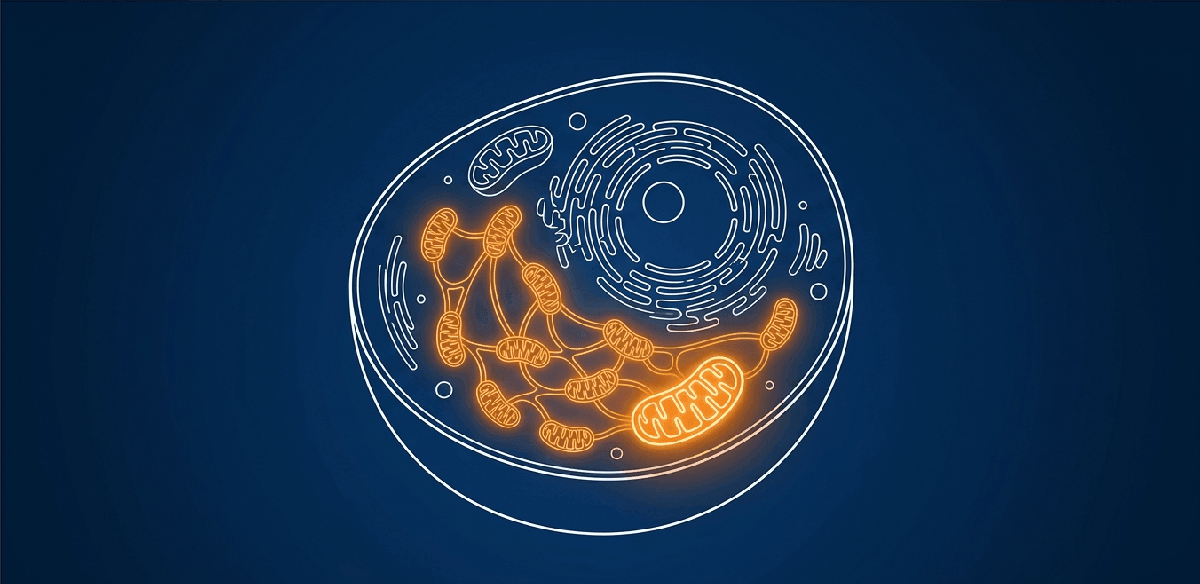
Mitochondria are the primary energy producers within human cells, responsible for generating approximately 90% of the body's adenosine triphosphate (ATP). These organelles are not static structures but dynamic networks that constantly undergo fusion and fission to maintain cellular health. When these "powerhouses" function optimally, they support metabolic health, cognitive clarity, and physical endurance. Conversely, mitochondrial dysfunction is a hallmark of aging and the development of metabolic disorders such as type 2 diabetes, obesity, and cardiovascular disease.
Strategies to optimize mitochondrial bioenergetics focus on two distinct goals: increasing the quantity of mitochondria through biogenesis and improving the quality of existing networks through repair and the removal of damaged components - a process known as mitophagy. Understanding both is essential for anyone serious about long-term metabolic resilience.
The role of ATP and the electron transport chain
ATP serves as the primary energy currency for nearly every physiological process, from muscle contraction to the firing of neurons. Within the inner mitochondrial membrane, the electron transport chain (ETC) facilitates a series of redox reactions across Complexes I-IV that culminate in the production of this vital molecule via ATP synthase. This process requires precise coordination between proteins, enzymes, and cofactors.

Electrons from NADH and FADH₂ are transferred along the chain, pumping protons to create an electrochemical gradient that drives ATP synthesis. Any disruption - whether from excess nutrients, environmental toxins, aging, or genetic variants - can lead to electron leakage and an increase in reactive oxygen species (ROS). These volatile byproducts can damage mitochondrial DNA (mtDNA), cardiolipin-rich membranes, and proteins if not neutralized by the antioxidant network (superoxide dismutase, glutathione peroxidase, catalase, and Nrf2-activated enzymes).
Keeping this machinery running smoothly is essential for preventing the chronic fatigue, systemic inflammation, and metabolic inflexibility often associated with mitochondrial decline. Modern research emphasizes that even modest ETC inefficiencies accelerate "inflammaging" and contribute to age-related diseases.

Exercise as a primary driver of mitochondrial biogenesis
Physical activity remains one of the most potent and well-validated signals for the body to produce more mitochondria. By creating a temporary energy deficit (elevated AMP/ATP ratio), calcium flux, and controlled ROS bursts, exercise activates key signaling cascades - AMPK, p38 MAPK, CaMK, and SIRT1 - that converge on the transcriptional coactivator PGC-1α. PGC-1α then drives expression of nuclear respiratory factors (NRF-1/2) and mitochondrial transcription factor A (TFAM), resulting in increased mitochondrial density, improved cristae structure, and greater oxidative phosphorylation capacity.
Both endurance and resistance training produce measurable adaptations within 2-6 weeks, with synergistic effects when combined.
High-intensity interval training (HIIT)
HIIT involves short bursts of near-maximal effort (e.g., 20-60 seconds at 85-95% of maximum heart rate) alternated with recovery. This metabolic stress powerfully stimulates mitochondrial biogenesis. Randomized controlled trials show that just 2-3 sessions per week of protocols such as 4×4-minute intervals or Wingate-style sprints significantly increase:
- Citrate synthase activity - a direct marker of mitochondrial density
- Cytochrome c oxidase expression - key Complex IV protein
- mtDNA copy number - reflecting mitochondrial replication
- Maximal respiratory capacity - often surpassing moderate continuous training of equal duration
The intense intervals push mitochondria to their functional limit, promoting both biogenesis and enhanced network connectivity.
Aerobic exercise and endurance training
Sustained aerobic activities such as running, cycling, or swimming create prolonged oxidative demand that upregulates PGC-1α and expands the mitochondrial reticulum, especially in cardiac and slow-twitch skeletal muscle. Consistent training (150-300 minutes per week at 60-80% VO₂max) increases mitochondrial volume density by 30-100% in trained individuals, improves fatty-acid oxidation, and enhances oxygen utilization efficiency. Endurance athletes consistently demonstrate superior mitochondrial content and respiratory control compared with sedentary peers.
The importance of resistance training
Strength training is frequently underestimated in mitochondrial discussions yet is critical for preserving muscle mitochondria during aging. Sarcopenia is accompanied by parallel losses in mitochondrial number and function within type II muscle fibers. Progressive resistance exercise (2-3 sessions weekly, 8-12 repetitions at 70-85% of 1RM) activates AMPK-mTOR crosstalk, maintains muscle mass, improves mitochondrial quality control, and enhances insulin sensitivity. It also upregulates mitophagy markers, helping eliminate dysfunctional organelles and supporting long-term metabolic resilience.
The combination of HIIT, aerobic endurance training, and resistance work creates a powerful synergistic effect that multiplies mitochondrial quantity while preserving quality across different muscle fiber types.

High-intensity intervals, aerobic endurance, and resistance training work together to deliver superior results. When performed consistently, they not only increase the number of mitochondria but also improve their efficiency and resilience against age-related decline.

Nutritional strategies for mitochondrial protection
Diet directly influences mitochondrial membrane integrity, antioxidant defenses, and substrate supply. Because ATP production inherently generates ROS, the diet must provide both protective phytonutrients and membrane-building blocks while preventing chronic overload.
Antioxidant-rich foods and membrane support
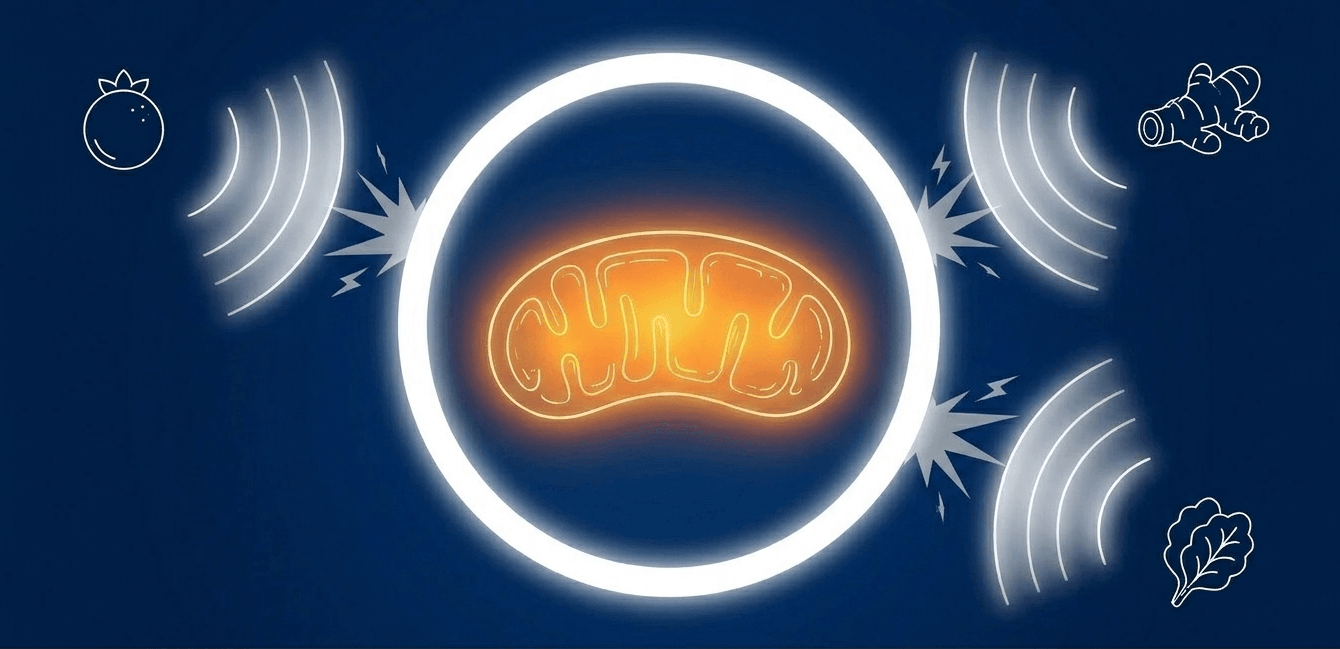
Vibrant vegetables, berries, dark leafy greens, turmeric, and green tea supply polyphenols and flavonoids that activate the Nrf2 pathway, upregulating endogenous antioxidant enzymes and reducing mtDNA damage. Omega-3 fatty acids (EPA/DHA from fatty fish, flaxseeds, chia, or algae oil) incorporate into cardiolipin, stabilizing the inner mitochondrial membrane, improving electron transport efficiency, and lowering lipid peroxidation. Human trials link higher omega-3 status with better mitochondrial function and reduced inflammatory markers.
A diet rich in colorful plants and healthy fats forms the foundation for protecting mitochondria from daily oxidative stress.
Avoiding metabolic overload
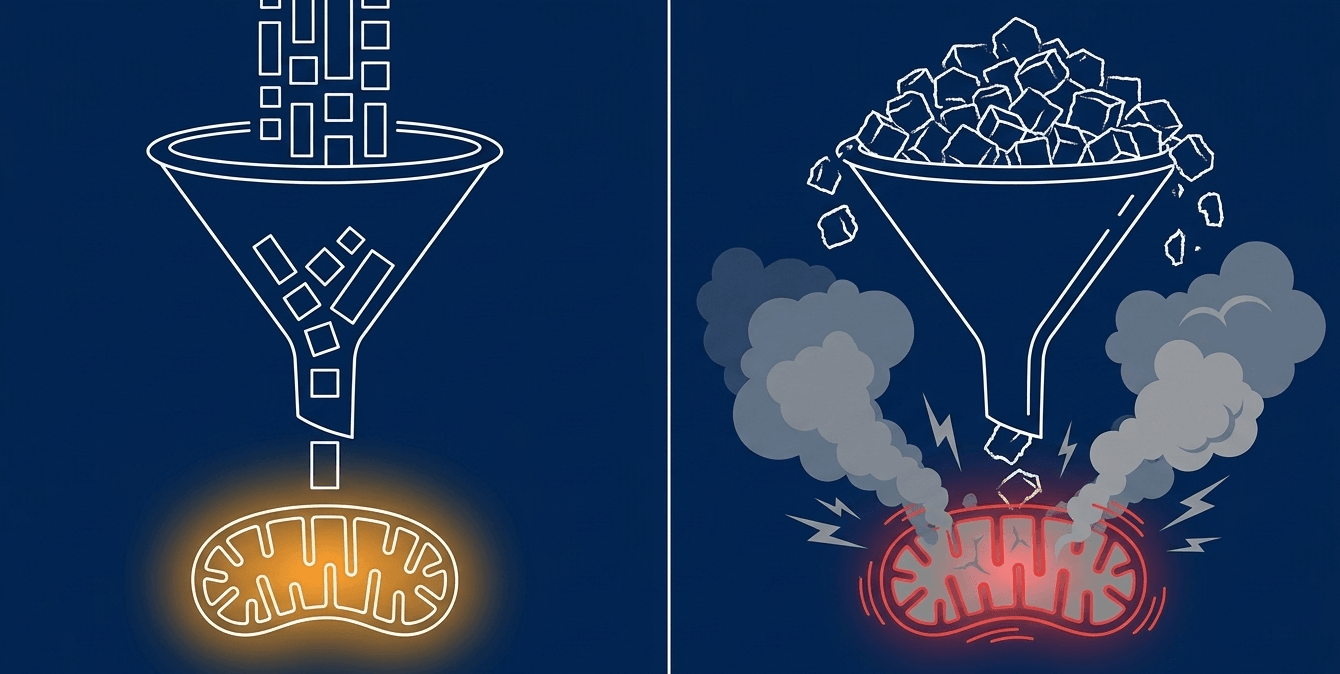
Chronic excess calories - particularly from refined sugars and ultra-processed foods - overwhelm mitochondrial capacity, causing incomplete substrate oxidation, elevated ROS leakage, lipid accumulation, and NLRP3 inflammasome activation. This state of "metabolic gridlock" promotes cellular senescence and insulin resistance. Emphasizing high-quality proteins, complex carbohydrates, and healthy fats ensures steady fuel delivery that supports efficient ATP production without excessive oxidative stress.
Even modest time-restricted eating windows (10-12 hours) can improve metabolic flexibility and reduce the burden on existing mitochondria. Prioritizing whole foods and avoiding constant overfeeding is one of the most effective ways to keep mitochondrial function optimal throughout life.
Intermittent fasting and the science of mitophagy
Fasting extends beyond weight management; it triggers a profound cellular maintenance program. Nutrient scarcity activates AMPK and sirtuins, shifting cells from growth to repair mode and upregulating autophagy - including selective mitochondrial clearance (mitophagy).
The process of mitophagy
Mitophagy is orchestrated primarily by the PINK1/Parkin pathway. When mitochondria lose membrane potential, PINK1 stabilizes on the outer membrane, phosphorylates ubiquitin, and recruits the E3 ligase Parkin, which ubiquitinates damaged organelles for lysosomal degradation. Intermittent fasting and caloric restriction enhance this quality-control mechanism in both animal models and human studies, reducing ROS burden and improving overall mitochondrial efficiency. By removing dysfunctional units, fasting leaves a more robust and interconnected network.
Mitochondrial dynamics: fusion and fission
Healthy mitochondria continuously balance fusion (OPA1, MFN1/2) and fission (DRP1). Fusion allows component sharing and damage dilution; fission isolates damaged segments for mitophagy. Caloric restriction improves this balance and upregulates mitophagy markers (PINK1, Parkin, LC3-II) in rodents; human time-restricted eating trials show parallel gains in metabolic flexibility and mitochondrial function.
Periods of nutrient scarcity therefore serve as a powerful natural tool for mitochondrial renewal and quality control.

Essential nutrients and targeted supplementation
While whole-food nutrition is foundational, certain compounds become limiting with age or high physiological demand. Targeted support can enhance Krebs-cycle flux, ETC efficiency, and biogenesis signaling.
Coenzyme Q10 and alpha-lipoic acid
Coenzyme Q10 (CoQ10) is both an essential ETC electron carrier (Complex III) and a lipid-soluble antioxidant. Levels decline ~50% by age 80, correlating with reduced ATP output. Supplementation (100-300 mg/day of ubiquinol) restores status; mitochondrial-targeted forms such as MitoQ show superior membrane penetration and ROS reduction in clinical research.
Alpha-lipoic acid (ALA) (300-600 mg/day) regenerates other antioxidants, activates AMPK and PGC-1α, attenuates oxidative stress, and promotes mitochondrial fusion while helping restore ATP levels in stressed cells.
NAD⁺ precursors: NMN and NR
NAD⁺ (nicotinamide adenine dinucleotide) is a critical coenzyme in the ETC and a required substrate for sirtuin activity. NAD⁺ levels decline significantly with age - by as much as 50% between ages 40 and 60 - impairing mitochondrial function, DNA repair, and cellular stress responses. Two well-studied precursors can replenish cellular NAD⁺ levels.

Nicotinamide mononucleotide (NMN) and nicotinamide riboside (NR) are converted intracellularly to NAD⁺ via the salvage pathway. Human clinical trials (including work by David Sinclair's group at Harvard and independent researchers) show that oral supplementation with NMN (250-500 mg/day) or NR (300-1000 mg/day) measurably raises whole-blood NAD⁺, improves insulin sensitivity, supports muscle function in older adults, and activates SIRT1 and SIRT3. Restoring NAD⁺ is increasingly considered one of the most targeted approaches to mitochondrial rejuvenation available today.
The role of magnesium and B vitamins
Magnesium is a critical cofactor for more than 300 enzymes, including those in the Krebs cycle and oxidative phosphorylation, and helps regulate mitochondrial calcium to prevent permeability transition pore opening and cell death. Deficiency is prevalent in cardiovascular disease and type 2 diabetes and is linked to impaired mitochondrial function.
B vitamins (especially B1, B2, B3, B5, and biotin) serve as essential cofactors for energy metabolism; adequate intake supports NAD⁺ production and ETC integrity. Niacinamide (vitamin B3) in particular is a direct NAD⁺ precursor, making dietary B3 status directly relevant to mitochondrial redox capacity.
Resveratrol and PQQ
Resveratrol (from grapes, berries, and Japanese knotweed) activates SIRT1 and AMPK, stimulating PGC-1α-mediated biogenesis and lowering ROS. Pyrroloquinoline quinone (PQQ) activates PGC-1α via SIRT1 and CREB pathways, promoting mitochondrial biogenesis in cell and animal models. Human studies show PQQ improves energy metabolism markers, reduces inflammation, and may support cognitive performance.
Typical researched doses are 10-20 mg/day for PQQ and 150-500 mg/day for resveratrol (with piperine or in liposomal form for better absorption). Specialized compounds such as resveratrol and PQQ can provide meaningful additional support for mitochondrial biogenesis when used strategically alongside diet and lifestyle.

Lifestyle and environmental interventions
Modern lifestyle factors exert direct physiological effects on mitochondrial health. Sleep, stress management, and controlled environmental stressors (hormesis) offer powerful, low-cost levers for optimization.
Sleep and the glymphatic system
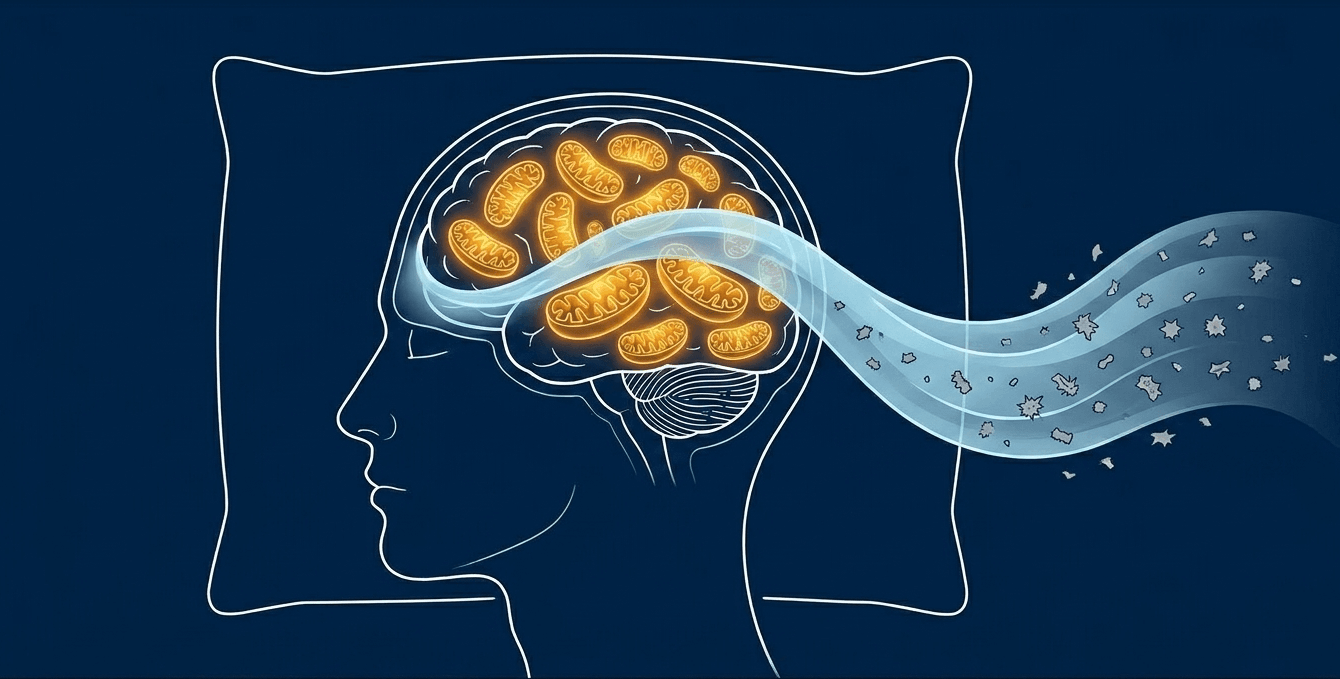
Quality sleep is the primary window for mitochondrial repair and regeneration. During deep non-REM sleep, the glymphatic system - driven by aquaporin-4 channels - clears metabolic waste, including damaged mitochondrial proteins and ROS byproducts, from the brain. Chronic sleep deprivation (<7 hours) disrupts this clearance, leading to accumulation of cellular debris, impaired ATP production, and accelerated cognitive decline.
Maintaining a consistent 7-9 hour sleep schedule with good hygiene is one of the simplest and most effective mitochondrial interventions. Deep, restorative sleep is non-negotiable for anyone serious about long-term mitochondrial health and cognitive performance.
Managing psychological stress
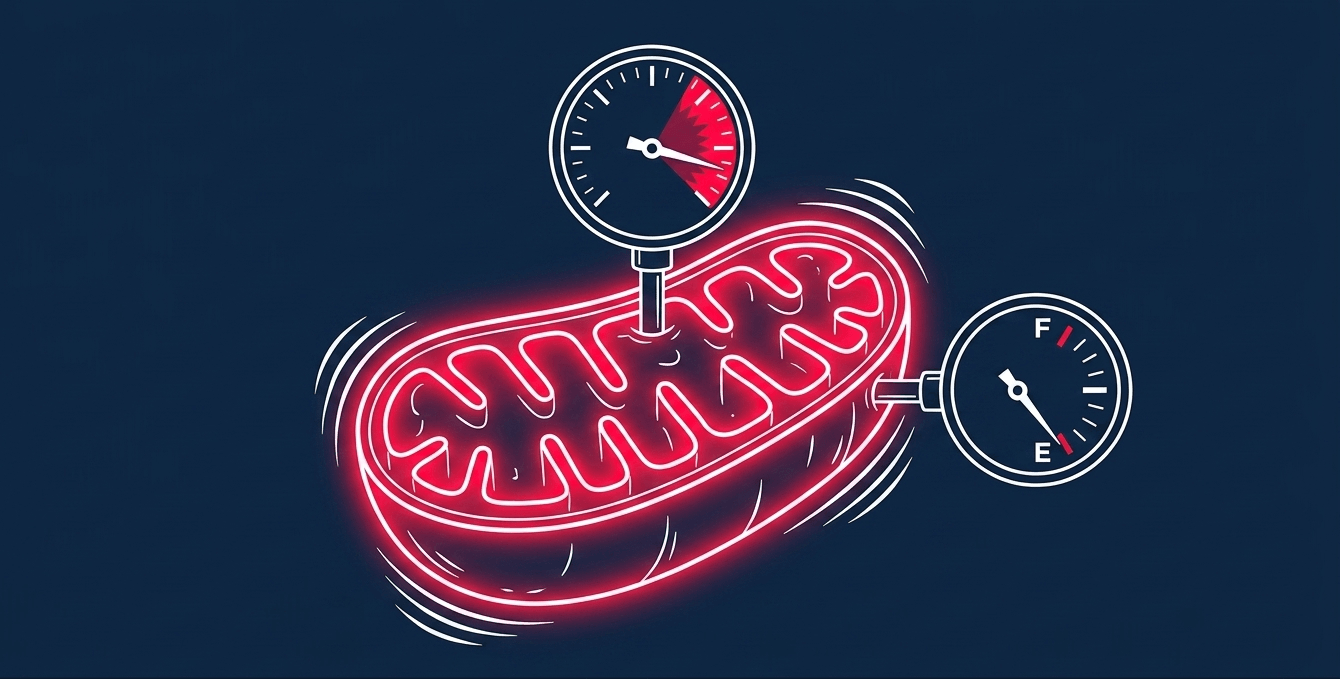
Mitochondria are intimately involved in the stress response: they supply energy for the HPA axis and participate in cortisol synthesis. Chronic activation of the fight-or-flight response increases allostatic load, elevates ROS, and can drive mitochondria into a state of exhaustion where they can no longer meet cellular energy demands. Mindfulness, breathwork, nature exposure, and social connection lower cortisol and support mitochondrial resilience.
Temperature manipulation: cold and heat
Exposure to extreme temperatures acts as beneficial hormesis. Cold exposure (cold showers, ice baths, or cryotherapy) activates brown adipose tissue and skeletal muscle to generate heat via uncoupling protein 1 (UCP1), recruiting mitochondria and potentially increasing biogenesis. Heat therapy (saunas, hot baths) upregulates heat-shock proteins and mitochondrial respiratory capacity.
A landmark 2018 study in the Journal of Applied Physiology (Hafen et al.) demonstrated that repeated mild heat stress - raising muscle temperature ~4°C via pulsed shortwave diathermy - significantly increased mitochondrial protein expression (PGC-1α, electron transport complexes) and respiratory capacity in humans, producing adaptations comparable to exercise.
Hyperbaric oxygen therapy (HBOT)
HBOT involves breathing 100% oxygen at 2-3 atmospheres absolute. This increases dissolved oxygen, can reduce inflammation, and stimulates mitochondrial biogenesis and autophagy via SIRT1/PGC-1α/TFAM pathways in preclinical and some human studies. It shows promise for recovery from injury, certain neurological conditions, and performance enhancement, though protocols vary and professional supervision is required.
Chronic psychological stress can silently sabotage mitochondrial function, which is why effective stress management is just as important as exercise and nutrition.
The regulatory power of mitochondrial sirtuins
Sirtuins are NAD⁺-dependent deacetylases that sense nutrient availability and oxidative stress to maintain cellular balance. The mitochondrial isoforms SIRT3, SIRT4, and SIRT5 act as master regulators of metabolism and remain an active area of longevity research.
SIRT3 and metabolic protection
SIRT3 is the most studied mitochondrial sirtuin. It deacetylates key enzymes in the Krebs cycle, ETC complexes, and antioxidant defenses (including SOD2), thereby enhancing respiration, reducing ROS, and promoting fusion and mitophagy under stress. SIRT3 enables metabolic flexibility - shifting fuel preference from glucose to fatty acids during fasting - and protects against age-related metabolic decline.
SIRT4 and SIRT5 functions
SIRT4 regulates insulin secretion and inhibits fission while promoting fusion, helping maintain a healthy interconnected network. SIRT5 performs desuccinylation and demalonylation, fine-tuning metabolic enzymes and supporting insulin sensitivity. Together, these sirtuins coordinate gene expression, enzyme activity, and organelle dynamics to ensure the cell can adapt rapidly to changing nutrient supply and environmental demands.
Mitochondrial sirtuins function as sophisticated internal sensors that keep the entire energy system running smoothly under varying conditions.

Biomarkers worth tracking
Monitoring specific biomarkers provides objective feedback on mitochondrial and metabolic health over time. You cannot optimize what you do not measure. Key metrics to consider - ideally in consultation with a healthcare provider - include:
- Fasting glucose and HbA1c - reflect mitochondrial substrate handling and insulin sensitivity
- hs-CRP - a sensitive marker of systemic inflammation linked to mitochondrial ROS burden
- Lactate-to-pyruvate ratio - elevated ratios can indicate ETC dysfunction (specialist test)
- Serum CoQ10 and RBC magnesium - identify common functional deficiencies
- NAD⁺/NADH ratio (emerging test) - reflects the redox state and sirtuin activity potential
- Mitochondrial copy number (blood mtDNA) - declining copy number correlates with aging and metabolic disease risk
- VO₂max - the single strongest predictor of mitochondrial fitness and all-cause mortality
Reassessing these markers every 8-12 weeks during any lifestyle intervention allows meaningful, data-driven adjustments rather than guesswork.
Implementing a mitochondrial health plan
Optimizing these cellular engines does not require an overnight overhaul. Small, consistent changes compound over time. A practical starting framework includes:
- Exercise: 2 HIIT sessions + 2-3 resistance sessions + daily movement (aim for 7,000-10,000 steps)
- Nutrition: Emphasize colorful plants, omega-3 sources, quality protein, and minimize ultra-processed foods. Consider a 12-16 hour overnight fast 4-5 days per week
- Sleep: 7-9 hours with consistent timing and a cool, dark environment
- Supplements (after bloodwork and professional advice): CoQ10 ubiquinol 100-200 mg, magnesium glycinate or threonate 300-400 mg, optional ALA 300 mg, PQQ 10-20 mg, NMN or NR 250-500 mg, or resveratrol 250-500 mg
- Recovery practices: 10-20 minutes daily breathwork or meditation; 2-3 sauna or cold-exposure sessions weekly if tolerated
Track subjective energy, sleep quality, and (if available) basic biomarkers such as fasting glucose, HbA1c, and hs-CRP. Reassess every 8-12 weeks and adjust.
As research continues to illuminate the complex world of mitochondrial bioenergetics, it becomes increasingly clear that cellular health is the foundation of overall wellness. By supporting the pathways of biogenesis and mitophagy through movement, nutrition, fasting, targeted nutrients, restorative sleep, and hormetic stressors, it is possible to maintain high energy levels, protect against the diseases of aging, and foster a more resilient metabolism for years to come.

Important note: The strategies described are supported by extensive peer-reviewed research (including human clinical trials for exercise, nutrition, sleep, and several supplements). However, individual responses vary. This content is for educational purposes only and does not constitute medical advice. Consult a qualified healthcare professional before initiating significant dietary changes, fasting protocols, or supplementation - especially if you have any medical conditions or take medications.
Share now









Key takeaways
- Mitochondria generate approximately 90% of cellular energy in the form of adenosine triphosphate (ATP), making them the primary determinant of metabolic vitality.
- Mitochondrial health is maintained through two complementary processes: biogenesis (creating new mitochondria) and mitophagy (selectively removing damaged ones via the PINK1/Parkin pathway).
- High-intensity interval training (HIIT) is one of the most time-efficient stimuli for mitochondrial biogenesis, measurably increasing citrate synthase activity and mtDNA copy number in as little as 2-6 weeks.
- NAD⁺ levels decline by up to 50% between ages 40 and 60, impairing sirtuin activity, ETC efficiency, and DNA repair - making NAD⁺ precursors such as NMN and NR among the most targeted longevity supplements.
- Caloric restriction and intermittent fasting activate AMPK and sirtuins, promoting mitochondrial quality control by improving the balance between fusion (OPA1, MFN1/2) and fission (DRP1).
- CoQ10 levels fall ~50% by age 80, reducing ATP output and antioxidant defense at the inner mitochondrial membrane; ubiquinol supplementation (100-300 mg/day) can restore functional status.
- Essential cofactors including magnesium, B vitamins (B1, B2, B3, B5), and alpha-lipoic acid are required for Krebs-cycle flux, oxidative phosphorylation, and antioxidant regeneration.
- Lifestyle interventions such as cold exposure and sauna therapy act as hormetic stressors that upregulate PGC-1α and improve mitochondrial respiratory capacity - with heat stress producing adaptations comparable to exercise in controlled trials.
- Chronic sleep deprivation (<7 hours) impairs glymphatic clearance of damaged mitochondrial proteins and accelerates both cognitive decline and metabolic dysfunction.
- Mitochondrial sirtuins SIRT3, SIRT4, and SIRT5 function as NAD⁺-dependent master regulators, coordinating fuel switching, antioxidant defense, and organelle dynamics in response to nutrient availability.
- Tracking biomarkers such as VO₂max, fasting glucose, HbA1c, hs-CRP, and mtDNA copy number provides objective data for monitoring and optimizing mitochondrial health over time.
Sources
- Hafen PS et al. (2018) - Repeated exposure to heat stress induces mitochondrial adaptation in human skeletal muscle https://pubmed.ncbi.nlm.nih.gov/30024339/
- Mehrabani S et al. (2020) - The effect of fasting or calorie restriction on mitophagy induction: a literature review https://pmc.ncbi.nlm.nih.gov/articles/PMC7749612/
- Weir HJ et al. (2017) - Intermittent fasting may be center of increasing lifespan (Harvard Gazette) https://news.harvard.edu/gazette/story/2017/11/intermittent-fasting-may-be-center-of-increasing-lifespan/
- Chowanadisai W et al. (2009) - Pyrroloquinoline quinone stimulates mitochondrial biogenesis through CREB phosphorylation and PGC-1α expression https://pmc.ncbi.nlm.nih.gov/articles/PMC2804159/
- Linus Pauling Institute, Oregon State University - Coenzyme Q10 https://lpi.oregonstate.edu/mic/dietary-factors/coenzyme-Q10
- Yoshino J et al. (2021) - Nicotinamide mononucleotide increases muscle insulin sensitivity in prediabetic women https://www.science.org/doi/10.1126/science.abe9985
- Canto C et al. (2012) - NAD⁺ metabolism and its role in cellular processes during ageing https://www.nature.com/articles/nrm.2016.93
- Gibala MJ et al. (2012) - Physiological adaptations to low-volume HIIT versus traditional endurance training https://pubmed.ncbi.nlm.nih.gov/22289907/
- Tarnopolsky MA (2009) - Mitochondrial DNA shifting in older adults with resistance training https://pubmed.ncbi.nlm.nih.gov/19131474/
- Verdin E (2015) - NAD⁺ in aging, metabolism, and neurodegeneration https://www.science.org/doi/10.1126/science.aac4854
- Published 2026-04-30 19:41
- Modified 2026-05-23 14:28

-
Redaction