

-
 Redaction
Ancient talismans and the psychology of healing
Discover how ancient cultures used handheld talismans as tools for trauma recovery, blending sensory archaeology with early psychology and healing rituals.
The human hand is often our first point of contact with the world, a sensitive instrument capable of conveying warmth, fear, and resilience. For millennia, ancient societies recognized that the palm of the hand was not just a tool for labor, but a gateway for the mind. Tactile memories: the role of handheld talismans in ancient trauma recovery reveals a sophisticated, embodied approach to mental health that predates modern psychology by thousands of years. From the sun-drenched banks of the Nile to the clay-walled cities of Mesopotamia, humans have reached for small, tangible objects to anchor their spirits against the storms of war, loss, and displacement.
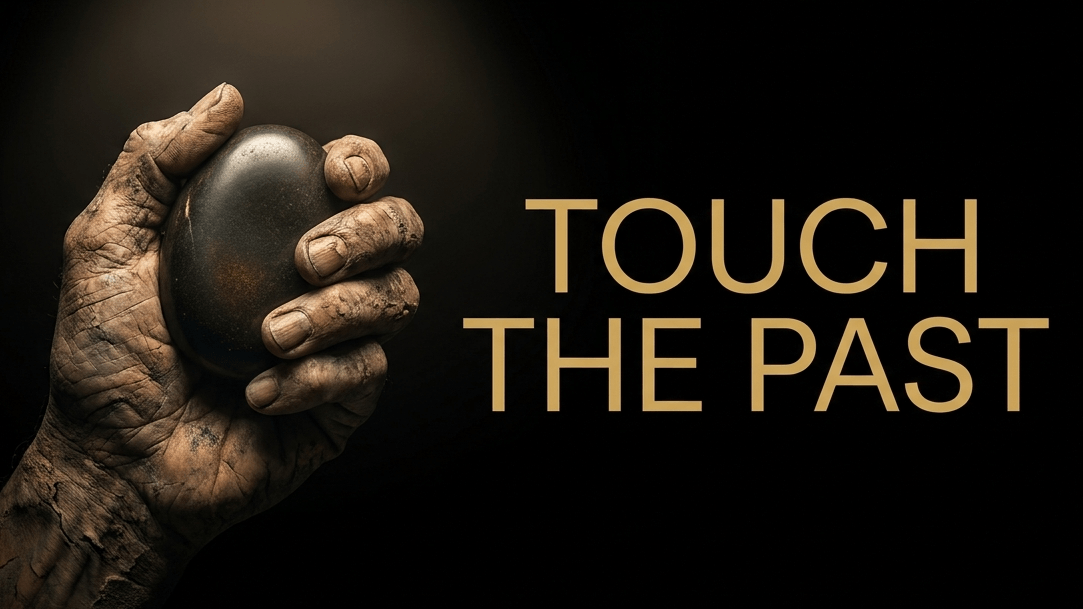
In these ancient contexts, the talisman was far more than a decorative trinket. It likely served as a psychological bridge between a fractured internal state and an unpredictable external reality. When we hold a smooth stone or a carved bone, the physical sensation can provide an immediate sensory grounding that may interrupt the spiraling thoughts associated with trauma. This tactile engagement may have created what researchers in sensory archaeology call a "feeling of pastness," where the object acts as a stable constant in a world that has been irrevocably changed by traumatic events.
What is the difference between an amulet and a talisman?
Before going further, it's worth untangling two words that get used interchangeably, often incorrectly. An amulet is generally a found or natural object, a stone, tooth, or shell, worn to avert harm. A talisman, by contrast, is usually crafted with intent, inscribed or shaped, and designed to attract a specific outcome: courage, fertility, safe passage. The distinction matters less for how these objects felt in the hand than for how they were made. One was discovered and imbued with meaning; the other was built to carry it from the start.
Either way, the underlying impulse was the same. Faced with forces beyond their control, people reached for something solid.
The psychology of handheld anchors and agency
Trauma often strips an individual of their sense of control. Whether caused by the kinetic violence of ancient warfare, the sudden loss of a kin group to disease, or the ordinary hazards of travel and childbirth, the aftermath is a state of hyper-vigilance and helplessness. Handheld talismans may have functioned as a kind of psychological comfort blanket, restoring a modicum of agency to the sufferer. By choosing to wear or carry a specific protective symbol, the individual took an active role in their own defense, a small but meaningful shift from a passive victim to an empowered agent of their fate.
This "magical thinking" is now understood by cognitive scientists as a plausible survival mechanism, not simply a naive one. According to Material Engagement Theory, developed by cognitive archaeologist Lambros Malafouris in collaboration with Colin Renfrew at Cambridge, material objects in the archaeological record are part of the ancient human mind. The theory holds that cognition is extended and enacted because material forms are part of the mind, and that cognition is the interaction between brains, bodies, and material forms. In this framework, a talisman was not simply a symbol sitting outside the self. It may have become part of the cognitive system doing the work of coping, according to this theoretical framework, though this remains a matter of scholarly interpretation rather than settled fact.
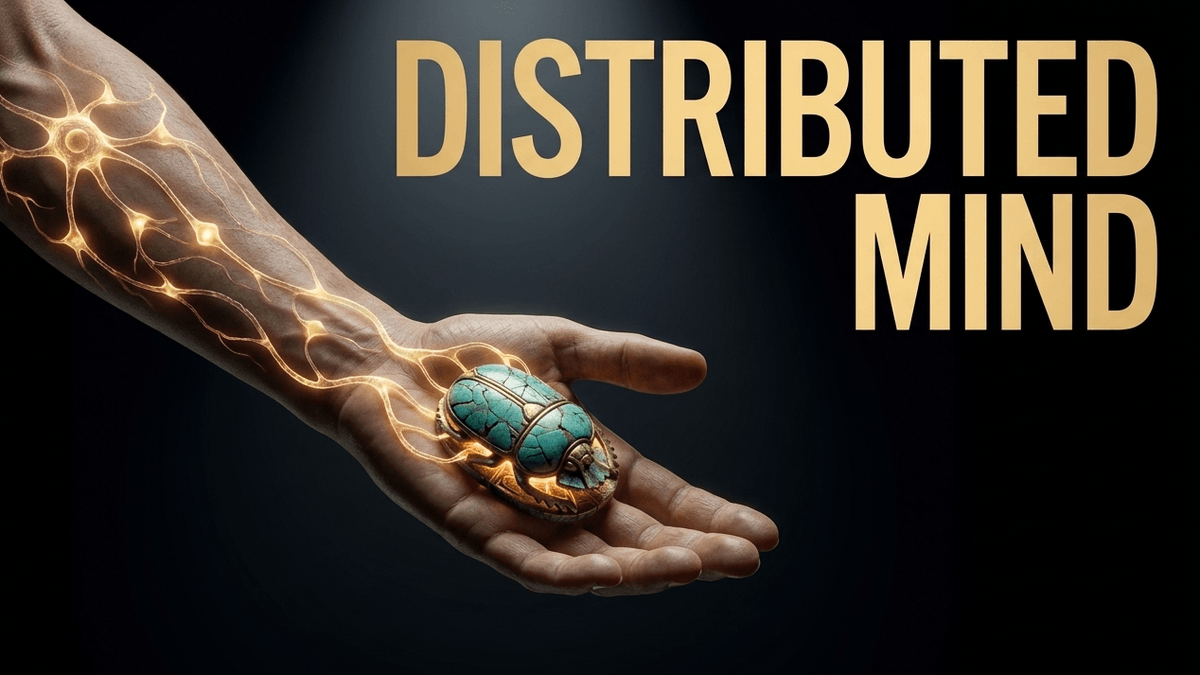
Holding a protective symbol like an Egyptian scarab did not just represent rebirth in the abstract; it plausibly gave the wearer a felt, physical sense of that intention. This material link to belief may have produced something close to a placebo effect, and placebo effects are not "fake": they are associated with real, measurable physiological changes. That's worth sitting with for a moment, because it reframes the whole subject. The ancients weren't necessarily fooling themselves. They may have been using the tools available to them.
The scarab is a particularly good case study, because the Egyptians didn't just wear it for luck in the abstract. The dung beetle rolls a ball of dung across the sand in a way that ancient observers likened to the sun god Ra pushing the sun across the sky, which is why the insect became bound up with the idea of daily rebirth. A special version, the heart scarab, was placed directly over the heart during mummification, inscribed with a spell asking the heart not to testify against its owner during the judgment of the dead. It's a striking image once you sit with it: an object placed at the most vulnerable point of the body, carrying words meant to protect a person from their own memory and conscience. That's not so different from what a modern grounding object is asked to do, quietly stand between a person and the parts of their own mind that feel unsafe.
Symbolism and archetypal resonance
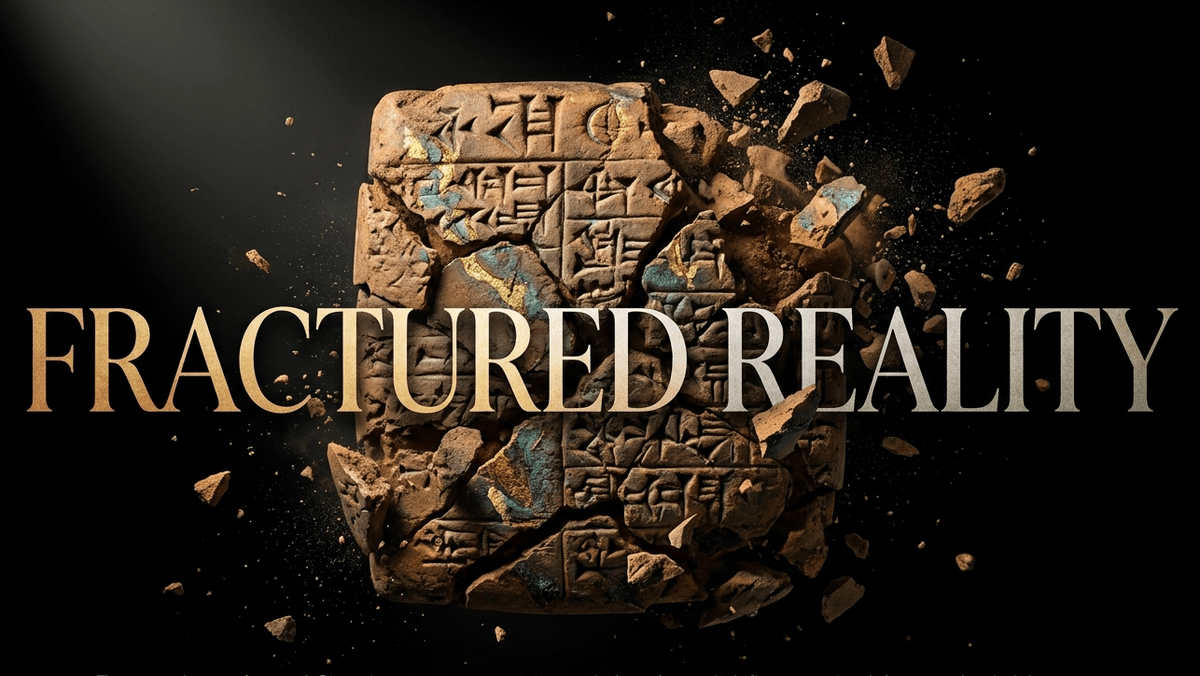
The power of these objects was deeply intertwined with the symbols they bore. Ancient symbols likely tapped into the subconscious, evoking emotional responses of trust and safety. These were not arbitrary shapes but archetypes rooted in the collective mythology of a culture. Winged figures in Mesopotamian art, for instance, did not merely decorate an amulet; they represented the literal presence of divine protection, providing a psychological anchor that may have communicated safety across generations.
A few examples make the pattern easy to see:
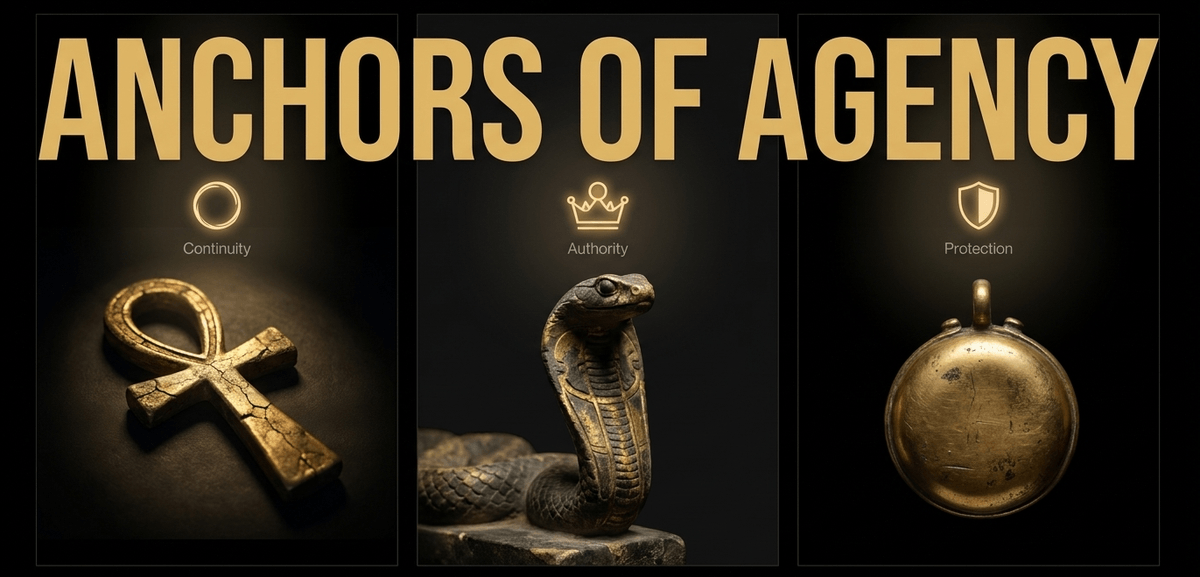
- The Ankh: Representing the breath of life, it reminded the wearer of their continuity even in the face of death.
- The Uraeus: This cobra symbol on Egyptian headdresses signified sovereignty, helping rulers maintain a sense of divine authority during periods of political upheaval.
- The Bulla: Roman boys wore these locket-like amulets, filled with protective substances, until they came of age. It marked a sensory habit of safety that lasted through the most vulnerable years of childhood.
- The Eye of Horus (Wedjat): One of the most recognizable Egyptian protective symbols, associated with healing, restoration, and guarding against illness.
- The Hamsa: A palm-shaped amulet found across the Middle East and North Africa, still worn today as protection against the so-called evil eye.
What ties these together isn't the shape. It's the repetition. A symbol that everyone in a culture recognized instantly likely did more psychological work than an idiosyncratic one, because it borrowed the weight of shared belief.
Sensory archaeology and the weight of memory
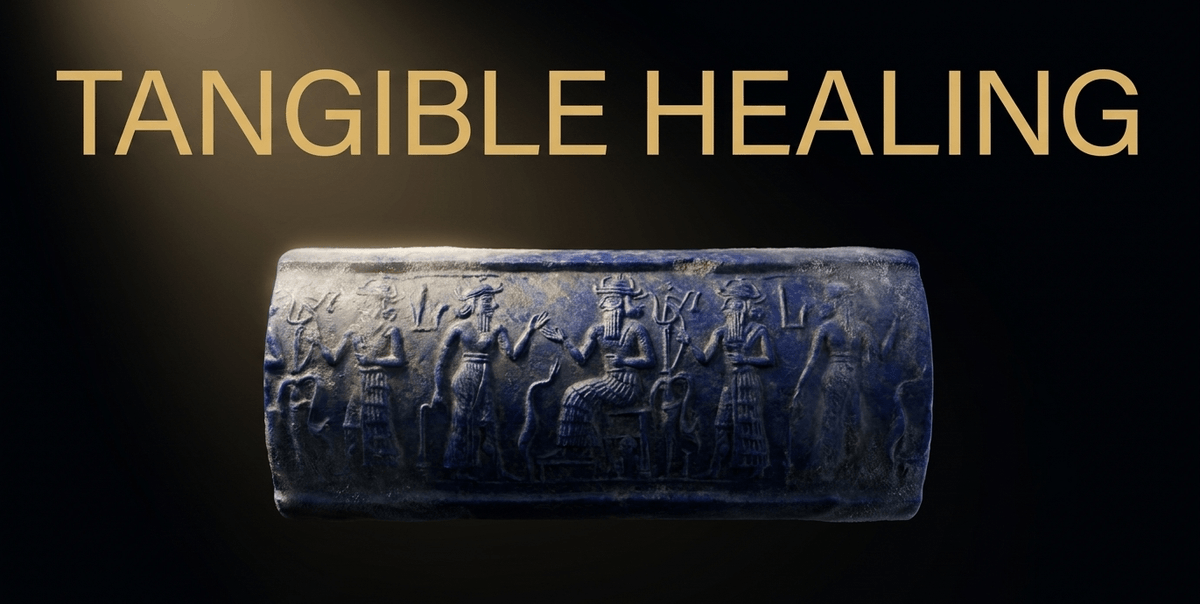
To understand the efficacy of ancient healing, we must move beyond the visual. Sensory archaeology invites us to consider how the texture, weight, and temperature of a talisman may have contributed to its healing power. A lapis lazuli cylinder seal from Mesopotamia felt cold and heavy in the hand, its intricate carvings providing a repetitive tactile stimulus that could serve as a focal point during meditation or prayer. This kind of tactile engagement is foundational, in some accounts, to how the self takes shape, especially under duress.
Consider what modern touch research tells us. The skin contains a class of nerve fibers called C-tactile afferents, which respond specifically to slow, gentle stroking touch, of the kind a caregiver might use, and whose activity has been linked in some studies to the release of oxytocin, the hormone associated with bonding and calm. This is a specific, narrow finding, not a general rule about touch: it applies to that particular type of slow, light contact rather than to touch in general, and research into exactly how it relates to stress and anxiety is still ongoing. Running a thumb over a smooth stone again and again is not identical to being stroked by another person, but some researchers have speculated it may engage related pathways, offering a plausible, if not yet fully confirmed, physiological account for why repetitive touch can feel calming.
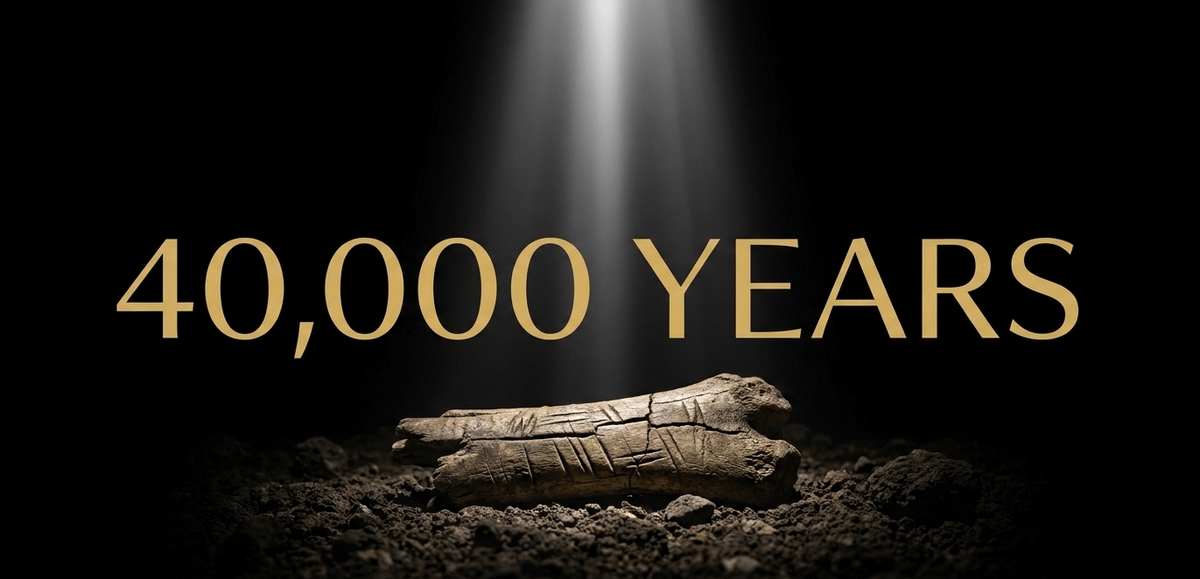
There's early physical evidence too. The oldest known amulets, perforated shells, teeth, and carved bone, date back roughly 40,000 years, including a pierced bear tooth found in a Siberian burial in the Altai Mountains, likely placed to accompany or protect the dead. These are among the earliest known protective or symbolic objects, artifacts that clearly carried meaning and were deliberately shaped, pierced, or selected, even if we cannot know with certainty what psychological function, if any, they served for the people who made and carried them.
As early as the 6th century BC, the Greek philosopher Alcmaeon of Croton hypothesized that the brain, not the heart, was the seat of thought and perception, a view Aristotle would later reject in favor of the heart. That disagreement lasted centuries. But long before either man wrote a word, Egyptian surgeons were already documenting the brain's vulnerability to injury. The Edwin Smith Papyrus, likely composed around 1600 BCE from a much older source, is the oldest known surgical text and contains the first written word for "brain" in any language. It methodically catalogues 48 cases of head, neck, and spinal trauma, describing the brain's surface, its pulsations, and the effects of injury on the rest of the body with striking clinical detachment. It's a document almost entirely free of magical thinking, which is itself notable, since most Egyptian medical texts leaned heavily on spells. In a world where physical trauma to the head was already understood as consequential and often untreatable, the talisman may have offered something the surgeon's knife could not: a psychological support for a mind struggling to hold itself together after the structure of life had been shattered.
Cultural trauma and communal recovery
Trauma in the ancient world was rarely an individual affair. It was often what sociologists now call "cultural trauma," a wound that settles into a whole generation rather than one person. Societies developed complex rituals to address this cumulative emotional harm. Healing was frequently a public, embodied performance, one where bodies, deities, and practitioners together produced a new shared reality out of the wreckage of the old one. Within these rituals, the talisman may have acted as a kind of witness. It was often imbued with power through specific spells or prayers, transforming a physical object into a vessel for communal support.
In many North American Indigenous cultures, turquoise carried significance well beyond ornament. It was used in healing practices addressing both physical and emotional ailments, and its presence in ceremony allowed an individual to participate in a shared narrative of resilience. This social embedding of the object mattered enormously. It meant the survivor was rarely entirely alone with their pain; the talisman served as a tangible connection to a tribe's collective strength and memory.
The study of amulets brings us into contact with the thoughts and desires of hundreds of anonymous, inconsequential people at the most strained emotional moments of their lives.
That line, from a scholarly survey of Greco-Roman amulets, captures something important: these objects survive as some of the only direct evidence we have of what ordinary, frightened people actually did to cope, as opposed to what priests and philosophers wrote about coping.
Historical examples of protective materiality
Different cultures developed specific "survival gear" tailored to their unique environmental and spiritual anxieties. These objects were frequently buried with the dead or carried by the living, reflecting a widespread belief that a talisman could protect the soul even beyond the physical realm.
- Mesopotamian cylinder seals: Carved from semi-precious stones, these were used to seal documents but also functioned as personal amulets, often depicting gods intervening on behalf of humans.
- Roman lunulae: These crescent-moon amulets were worn primarily by women and children, aimed at protecting health and fertility in a society where infant and maternal mortality were constant, unresolved anxieties.
- The Roman fascinus: A phallus-shaped amulet worn openly by Roman children and soldiers alike, believed to work through startling or ridiculing the evil eye rather than through solemn reverence. It's a good reminder that ancient protective magic wasn't always somber. Sometimes it relied on humor as much as fear.
- Early bone and shell amulets: Dating back roughly 40,000 years, these are among the earliest known protective or symbolic objects, and some researchers have suggested they may have been used to channel the strength of hunted animals or to mark safe passage through dangerous territory, though this specific function remains inferential.
Carrying protection into uncertainty
Military life in the ancient world produced some of the clearest evidence of talismans used specifically against fear and anticipated harm. Young Roman men wore the bulla, a locket-like amulet, from childhood into their transition to adult citizenship, and the same impulse toward wearable protection carried into adult life. Soldiers across Greek and Roman contexts are documented wearing gemstone amulets, carnelian, jasper, onyx, engraved with images, inscriptions, or personal mantras, worn specifically to manage the psychological weight of facing danger. Norse warriors are said to have carved protective symbols into arm rings, and Greek soldiers left offerings at temples before departing for uncertain outcomes.
None of this made the underlying danger any less real. What it likely offered instead was a sense of preparedness, something to hold onto when the outcome of a conflict or journey was entirely outside a person's control. Scholars studying Greco-Roman amulets have noted that many surviving examples cluster in exactly the periods and places where uncertainty ran highest, which is itself suggestive: it hints that people reached for tangible protection precisely when the intangible kind ran short, even if we can't reconstruct their inner experience directly.
Cognitive archaeology and the inference of the mind
How do we know these objects were intended for trauma recovery, and not just fashion or status? The honest answer is that we don't know this with certainty; we infer it. Cognitive archaeology relies on what researchers call "minimal capacity inferences," working backward from an artifact to determine what a society must have believed or needed in order to produce it. When archaeologists find a site where dozens of near-identical protective amulets were produced following a period of warfare, famine, or epidemic, they can reasonably infer a plausible society-wide need for psychological stabilization, though this remains an interpretation rather than a directly observed fact. These material traces function as possible footprints of ancient anxiety, and as suggestive evidence of the proactive steps people may have taken to manage it.
There's a phrase sometimes used for this: the "psychologisation of the sacred." The idea is that while ancient people described their fears in the language of gods and spirits, the functional result may mirror something we would now recognize as therapy. By externalizing a fear into a stone or a piece of jewelry, a person may have gained a small but real measure of distance from it, enough to observe the fear rather than simply be consumed by it. The talisman may have let the sufferer hold their trauma in their hand rather than carry it solely in their chest, which could have made an otherwise unbearable weight feel, at least a little, more manageable.
What developmental psychology adds to the picture
There's a useful bridge here from a completely different branch of psychology, one that has nothing to do with archaeology at all. In the 1950s, the British pediatrician and psychoanalyst Donald Winnicott introduced the idea of the transitional object: a blanket, a stuffed toy, a scrap of cloth, that a young child forms an intense attachment to. Winnicott argued that this isn't a sign of anxiety or a problem to be corrected. It's a normal, healthy bridge between a child's inner emotional world and the uncertain external one, a "first not-me possession" that helps the child manage separation and build a stable sense of self.
What's striking is how closely this maps onto what we see in the archaeological record thousands of years earlier, though the parallel is a modern interpretive lens applied after the fact, not something the ancient evidence proves on its own. A transitional object doesn't need to do anything magical to work. It works because the child has invested it with meaning, and because holding it provides a felt sense of continuity when the world feels unpredictable. Later researchers extended Winnicott's framework well past childhood, arguing that adults reach for functionally similar objects, a keepsake, a piece of jewelry, a smooth stone kept in a pocket, during times of grief, upheaval, or fear. The object itself never had to be magical. It only had to be reliably there.
Seen through this lens, the ancient talisman starts to look less like a superstition and more like a plausible, culturally elaborate precursor to something psychologically universal. Children reach for a blanket. Adults reach for a scarab, a bulla, a smooth river stone. The mechanism, a stable, tangible anchor standing in for a stability the world itself can't currently offer, may be the same one, just dressed in different symbolism depending on the century.
Implications for modern therapeutic practices
While modern medicine often focuses on neurochemistry and talk therapy, the ancient reliance on tactile talismans offers a genuinely useful lesson about the body's possible role in healing the mind. Contemporary clinicians already use versions of this idea, even if they rarely frame it in archaeological terms.
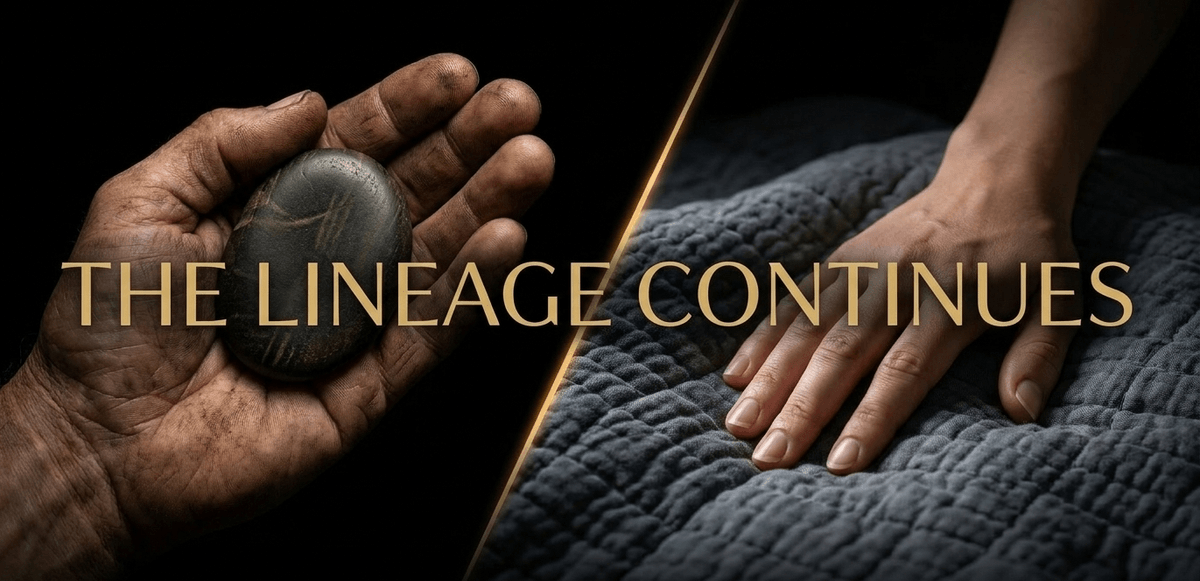
Grounding objects are now a recognized tool in trauma and anxiety treatment: smooth stones, worry stones with a thumb groove worn into the surface, stress balls, textured fabric. Their purpose is broadly similar to that of an ancient amulet. They aim to interrupt spiraling or dissociative thoughts by giving the nervous system something immediate and concrete to attend to.
Weighted blankets work on a related principle, called deep touch pressure. The steady, even weight mimics the sensation of being held, and some research links this kind of pressure to lower cortisol and a calmer physiological state, though it's worth being honest that the research base here is still fairly early and mixed. It's a promising, low-risk tool, not a proven cure.
Worry stones, in particular, echo the ancient talisman almost exactly: a small, smooth object, often with a thumb groove, designed for repetitive rubbing. Clinicians who use them describe them as a portable grounding cue, something a person can carry out of the therapy room and into the situations where anxiety or dissociation actually strikes.
None of this is coincidence, though it isn't a single proven mechanism either. It looks like a very long lineage of a single recurring insight: that the mind, when it is struggling, often seems to need the body's help to find its footing again.
A note on limits
It's worth saying plainly: a talisman, ancient or modern, is not a substitute for professional care. Grounding objects and weighted blankets can ease the physiological experience of anxiety or hypervigilance in the moment for some people, but they don't address the underlying causes of trauma on their own. Ancient peoples layered their handheld objects on top of ritual, community support, and, where it existed, medical treatment. That layered approach, rather than the object in isolation, is probably the real lesson worth carrying forward.
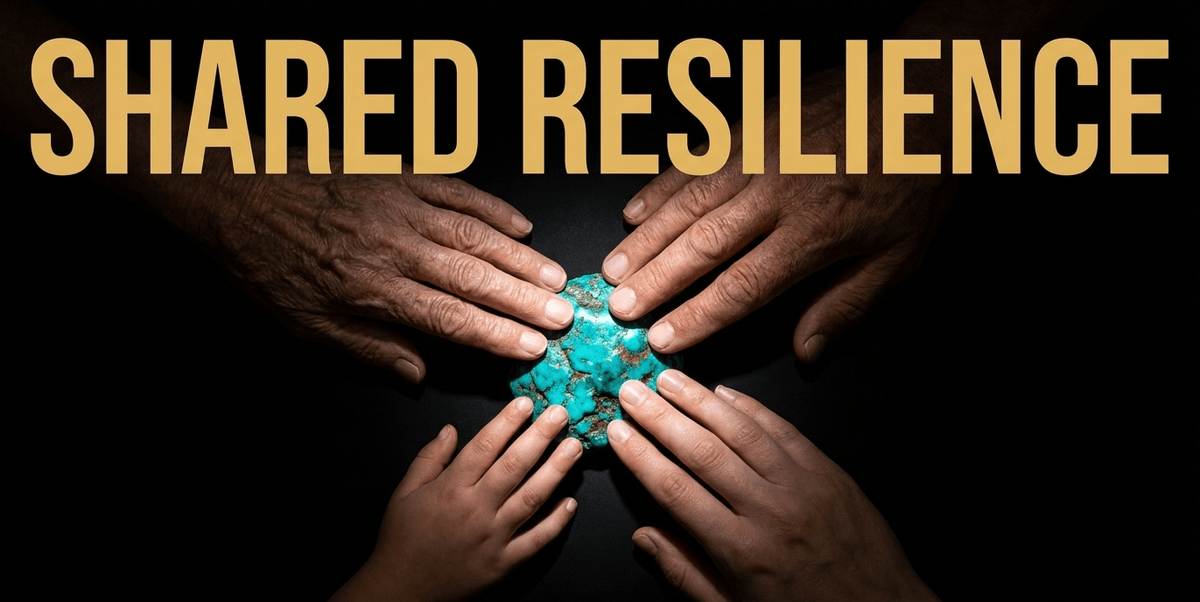
These ancient objects remind us that the road to recovery is often paved with the things we can touch. In moments of profound darkness, the simple act of reaching out and finding something solid can be, for many, a meaningful first step toward finding ourselves again.
The handheld talisman was not a cure-all, but it may have been a constant: a small piece of the universe that seemed to promise the wearer they were still here, still protected, and still whole.
Common questions about talismans and trauma recovery
Is there scientific evidence that talismans actually reduce anxiety? Not for the objects themselves as magical items, no. But the mechanisms behind them, tactile grounding, deep touch pressure, the placebo response, and the psychological comfort of a stable, self-chosen object, are all separately studied in modern research into anxiety and trauma responses, though that research is ongoing and not fully settled. The talisman plausibly worked through similar nervous-system pathways to a modern worry stone, rather than through any property unique to the object, though this connection is an inference rather than something directly tested on ancient talismans themselves.
What's the difference between an amulet and a talisman, again? An amulet is generally a found or natural object worn to avert harm; a talisman is usually crafted with intent to attract a specific outcome. In everyday use today, the two words are frequently used interchangeably, and that's fine for casual conversation, but archaeologists and historians still draw the line when precision matters.
Can a modern person use these ideas without believing in the original mythology? Yes, and this is really the core takeaway. The psychological function, agency, grounding, continuity, doesn't depend on believing a stone wards off evil spirits. It depends on the tactile act itself and on the meaning a person assigns to the object. This is part of why worry stones, weighted blankets, and comfort keepsakes can work for people with no interest in ancient religion at all.
Are handheld talismans a replacement for therapy? No. They're, at most, a supplement to emotional regulation in the moment, not a treatment for the underlying causes of trauma. Ancient societies paired these objects with ritual, community, and whatever medical care existed at the time. The object was never meant to work alone.
This article discusses trauma and historical experiences of war, loss, and displacement in a general, educational context. If you're personally struggling with the effects of trauma, a licensed therapist or counselor can help find the right support for your situation.
Share now









Key takeaways
- Handheld talismans provided psychological comfort and a sense of agency to people recovering from trauma in the ancient world, largely through tactile engagement.
- Evidence of protective amulets and talismans stretches back tens of thousands of years, with early examples crafted from shell, teeth, and carved bone.
- Cognitive archaeology, particularly Material Engagement Theory (developed by archaeologist Lambros Malafouris), suggests objects can function as genuine extensions of the mind within a "brain-body-environment system."
- The Edwin Smith Papyrus, an ancient Egyptian surgical text, documents 48 case studies, the majority concerning head and spinal injuries - among the earliest known clinical descriptions of the brain and its coverings.
- The Greek physician-philosopher Alcmaeon of Croton (active around the late 6th to early 5th century BCE) was among the first in the Greek tradition to argue that the brain, not the heart, was the seat of thought and sensation.
- Ancient Rome used amulets such as the bulla and the fascinus for protection, particularly of children, while ancient Egypt relied on scarabs and the Eye of Horus in healing and rebirth symbolism.
- Sensory archaeology examines how the texture, weight, and temperature of an object - not just its imagery - contributed to its psychological and ritual power.
- Turquoise held (and still holds) deep spiritual significance among Navajo, Zuni, and other Southwestern Indigenous peoples in North America, tied closely to protection, healing, and major life passages.
- Trauma in ancient societies was frequently understood and addressed as a communal, not purely individual, experience - a concept echoed in the modern framework of "historical trauma."
- Modern neuroscience confirms a strong link between touch, memory, and emotional regulation, lending scientific grounding to practices like worry stones and weighted blankets.
- Cognitive archaeologists use "minimal capacity inference" - reasoning backward from artifacts - to determine what psychological needs a society's material culture was likely addressing.
- The core insight of ancient talismanic practice - that the body and its sensations play an active role in psychological healing - continues to inform trauma-informed therapeutic tools used today.
Sources
- Wikipedia (Cognitive Archaeology) https://en.wikipedia.org/wiki/Cognitive_archaeology
- University of Edinburgh Research Explorer https://www.research.ed.ac.uk/en/publications/a-stone-that-feels-right-in-the-hand-tactile-memory-the-abduction/
- Cambridge University Press (Editorial: Sensory Archaeology) https://www.cambridge.org/core/journals/antiquity/article/editorial-sensory-archaeology/2CF1DDC14A53A362646AE30B5CCE5169
- Wikipedia (Historical Trauma) https://en.wikipedia.org/wiki/Historical_trauma
- Wikipedia (Edwin Smith Papyrus) https://en.wikipedia.org/wiki/Edwin_Smith_Papyrus
- Published 2026-07-22 20:15
- Modified 2026-07-22 20:15

-
Redaction