

-
 Redaction
Mitochondrial dysfunction: chronic disease's root?
Mitochondrial dysfunction is linked to heart disease, cancer, diabetes, and aging. Discover the science behind chronic illness and what it means for you.
Our bodies are intricate tapestries of cells, each powered by minuscule, yet mighty, organelles known as mitochondria. Often termed the "powerhouses of the cell," these remarkable structures are responsible for generating approximately 90% of the energy, in the form of adenosine triphosphate (ATP), that cells need to perform their myriad functions. However, their role extends far beyond mere energy production. Mitochondria are deeply interwoven into vital cellular processes, including regulating cell growth, modulating signaling pathways, maintaining calcium homeostasis, and orchestrating programmed cell death, also known as apoptosis.
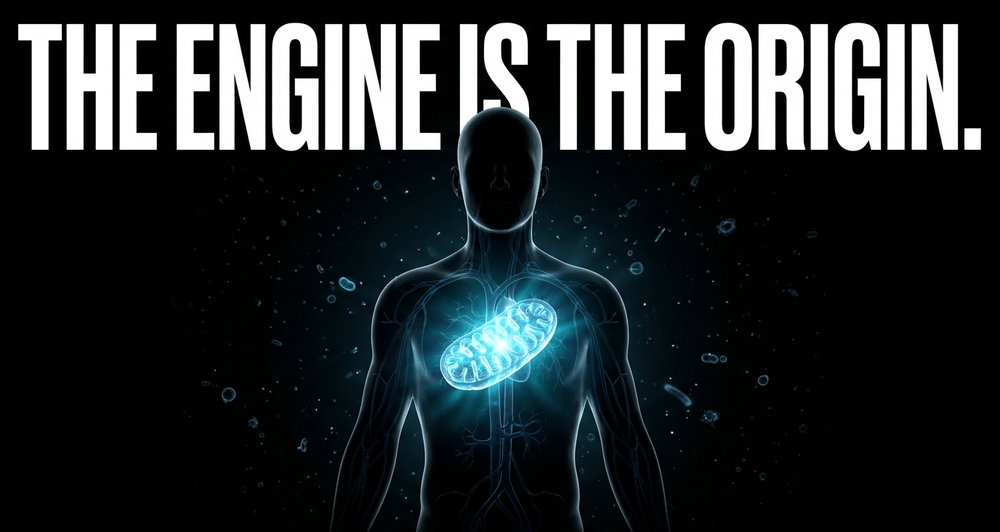
When these critical organelles falter, a condition known as mitochondrial dysfunction, the ripple effects can be profound, impacting nearly every system in the human body. This growing understanding has led many researchers to explore mitochondrial dysfunction's potential role as a fundamental contributing factor behind the development and progression of a wide array of chronic diseases. It's a shift in thinking that's been decades in the making, and one that's only gaining momentum as research tools become more sophisticated.
The prevalence and impact of mitochondrial disease
The scope of mitochondrial involvement in human health is vast and often underestimated. The presence of mitochondrial DNA (mtDNA) mutations is surprisingly common, identified in roughly one in 250 people. While not all these individuals will develop severe illness, a meaningful proportion - estimated at around one in 5,000 - go on to experience serious disease stemming from these genetic variations.
This means that in a typical general practice serving 2,000 patients, perhaps eight to ten individuals may carry a mutation that could predispose them to mitochondrial disease or dysfunction. The clinical landscape is further complicated by the fact that well over 50 distinct inherited diseases directly involve mitochondrial dysfunction, each presenting with its own unique constellation of challenges. Some recent reviews put the number of described mtDNA mutations linked to human disease at over 275, a figure that continues to climb as sequencing becomes more accessible.
For many families, the impact of mitochondrial disease becomes tragically clear early in life. Primary mitochondrial disorders are generally estimated to have a minimum birth prevalence of around 1 in 5,000, though some childhood-onset estimates run closer to 5 to 15 per 10,000 depending on the population studied and how thoroughly cases are ascertained. These conditions are notorious for their systemic effects, often affecting multiple organ systems simultaneously and leading to progressive deterioration.
Patients may experience a spectrum of debilitating symptoms, including:
- Recurrent seizures
- Critically low blood counts
- Abnormal muscle tone
- Loss of vision (blindness)
- Hearing impairment (deafness)
- Cognitive decline (dementia)
- Heart failure
- Progressive muscle weakness
The pervasive nature of these symptoms underscores the critical role mitochondria play in maintaining overall physiological integrity. Cardiac involvement alone is estimated to affect somewhere between 20% and 40% of children with mitochondrial disease, and it contributes meaningfully to mortality in this population.

From an epidemiological perspective, the overall prevalence of mitochondrial disease is comparable to other well-recognized neurogenetic diseases, such as Charcot-Marie-Tooth disease. Regional studies provide further insights into its global footprint. In Northeast England, for example, the prevalence of adult mitochondrial disease, encompassing both affected and at-risk individuals, has been reported as approximately 1 in 4,300.
A 2021 study highlighted varying prevalence rates across different populations: 23 cases per 100,000 people in Northeast England, 5.7 cases per 100,000 in Spain, and 2.9 cases per 100,000 in Japan. In North America, specifically Ontario, Canada, a study observed an overall period prevalence of 2.51 cases per 10,000, or approximately 1 in 3,989. Researchers caution, however, that this Canadian estimate is likely conservative, as it primarily focused on hospitalized individuals, potentially missing many cases managed in outpatient settings. The differences between countries probably say less about true biological prevalence and more about how diagnostic systems are set up - how willing clinicians are to test, and how accessible genetic testing actually is to ordinary families.
Mitochondrial dysfunction and its links to chronic diseases
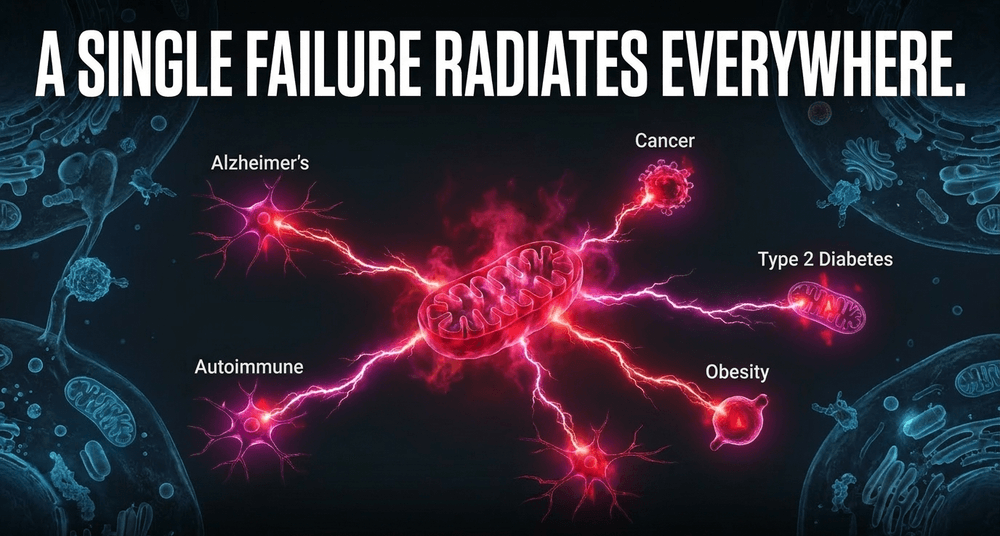
The intricate connection between mitochondrial damage and the onset of numerous noncommunicable chronic diseases (NCDs) is becoming increasingly clear. Researchers are finding compelling evidence that impaired mitochondrial function acts as a major contributing factor across a broad spectrum of debilitating conditions.
Cardiovascular diseases. At the core of a healthy heart lies efficient energy production. Mitochondrial dysfunction can severely impact this, leading to weakened heart muscles (cardiomyopathy) and irregular heart rates (arrhythmias), which are hallmarks of various cardiovascular conditions. Recent reviews describe mitochondrial dysfunction as playing a central role in cardiovascular disease progression, linking impaired bioenergetics and oxidative stress imbalance to endothelial damage, myocardial injury, and the kind of adverse remodeling that eventually shows up as heart failure.
Cancer. The link between cellular metabolism and cancer has a long history, dating back to Otto Warburg's early-twentieth-century observation of altered respiratory behavior in cancer cells. Today, mitochondrial dysfunction is understood to be profoundly associated with the development and progression of various solid tumors, influencing their growth, survival, and resistance to therapy.
Obesity. The global epidemic of obesity is closely intertwined with mitochondrial health. Dysfunction in muscle cell mitochondria, for instance, can lead to reduced fatty acid oxidation and inhibited glucose transport. This metabolic impairment not only contributes to the accumulation of fat but also drives insulin resistance, a critical factor in the progression of many obesity-related NCDs.
Insulin resistance and type 2 diabetes. As just mentioned, mitochondrial dysfunction stands as a major contributing factor to the development of insulin resistance and type 2 diabetes. Consistently, a decline in mitochondrial function has been observed in individuals diagnosed with diabetes and those in pre-diabetic states, suggesting a direct causal or exacerbating role.
Neurodegenerative diseases. Conditions such as Alzheimer's dementia, Parkinson's disease, Huntington disease, and amyotrophic lateral sclerosis (ALS), all characterized by the progressive loss of neuronal function, frequently exhibit impaired mitochondrial function. This impairment may contribute to the accumulation of damaged proteins and the subsequent degeneration of nerve cells. Notably, Parkinson's patients often show reduced levels of mitochondrial coenzyme Q10 and significant impairment in their overall mitochondrial activity.
Liver disease. It's a connection that doesn't get nearly as much attention as it deserves, but mitochondrial dysfunction is now recognized as central to the development and progression of chronic liver conditions, including metabolic dysfunction-associated steatotic liver disease (MASLD, what most of us still think of as fatty liver disease), viral hepatitis, drug-induced liver injury, and even hepatocellular carcinoma. Given that the liver is essentially the body's metabolic command center, and mitochondria are the engines of that metabolism, this link makes a great deal of intuitive sense once you sit with it for a moment.
Aging and age-related disorders. The aging process itself appears to be inextricably linked to mitochondrial health. Mitochondrial dysfunction is considered one of the central hallmarks of aging and is implicated in almost all chronic aging-associated diseases. Key mechanisms underpinning this link include reduced ATP production, altered regulation of apoptosis, increased production of harmful reactive oxygen species (ROS), and defective calcium signaling within cells.
Autoimmune diseases. A growing body of research indicates that certain autoimmune diseases, including multiple sclerosis, Sjögren's syndrome, lupus, and rheumatoid arthritis, may share a common mitochondrial basis. This suggests that mitochondrial health plays a crucial role in immune system regulation and the prevention of autoimmune responses.
Chronic inflammation. Mitochondria are not just energy factories; they are also key regulators of the inflammatory response. Mitochondrial dysfunction plays a central role in chronic inflammation by activating specific signaling pathways. This includes disruptions in mitochondrial calcium handling, excessive ROS production, and the activation of nuclear factor kappa B (NF-kB), a critical mediator of inflammatory gene expression.
Myalgic encephalomyelitis/chronic fatigue syndrome and long COVID. Of all the conditions on this list, this one feels especially poignant. ME/CFS is a debilitating multisystem disorder, marked by profound fatigue, post-exertional malaise, unrefreshing sleep, and cognitive difficulties, that affects an estimated 1% of the population in the United States, with women affected at roughly three times the rate of men. Researchers studying both ME/CFS and long COVID have found that energy production at the cellular level appears disrupted in both conditions, with one protein in particular, called WASF3, shown to interfere with the assembly of the mitochondrial machinery responsible for respiration. The result is a forced shift toward less efficient energy pathways, chronic inflammation, and the kind of bone-deep exhaustion that so many patients describe and that, for far too long, has been dismissed rather than investigated.
If you're curious about how this same kind of cellular damage shows up over the course of a lifetime, it's worth reading about how senolytic drugs target zombie cells - aging and dysfunctional cells, much like dysfunctional mitochondria, tend to accumulate together and reinforce one another.
Unpacking the technical details and mechanisms
To truly grasp the impact of mitochondrial dysfunction, it helps to delve into some of the underlying technical details and cellular mechanisms - though I'll try to keep things grounded rather than drowning you in jargon.
Mitochondria maintain what researchers describe as a highly dynamic ultrastructure, constantly undergoing changes regulated by a delicate balance between fusion (merging) and fission (splitting) rates. When this dynamic equilibrium is disrupted, it can lead to a loss of mitochondrial integrity, the accumulation of damaged mitochondria, and the proliferation of dysfunctional mitochondrial DNA. This cascade halts efficient energy production and simultaneously induces significant oxidative stress within the cell.

One critical player in this destructive cycle is mitochondrial-derived reactive oxygen species (ROS). While low levels of ROS are essential for cellular signaling, an excess can cause widespread oxidative damage to cellular components, including proteins, lipids, and DNA. This damage, in turn, can activate inflammatory proteins, further exacerbating mitochondrial deterioration and perpetuating a vicious cycle. Many researchers now believe that chronic inflammation resulting from this oxidative damage is a primary trigger for numerous chronic diseases.
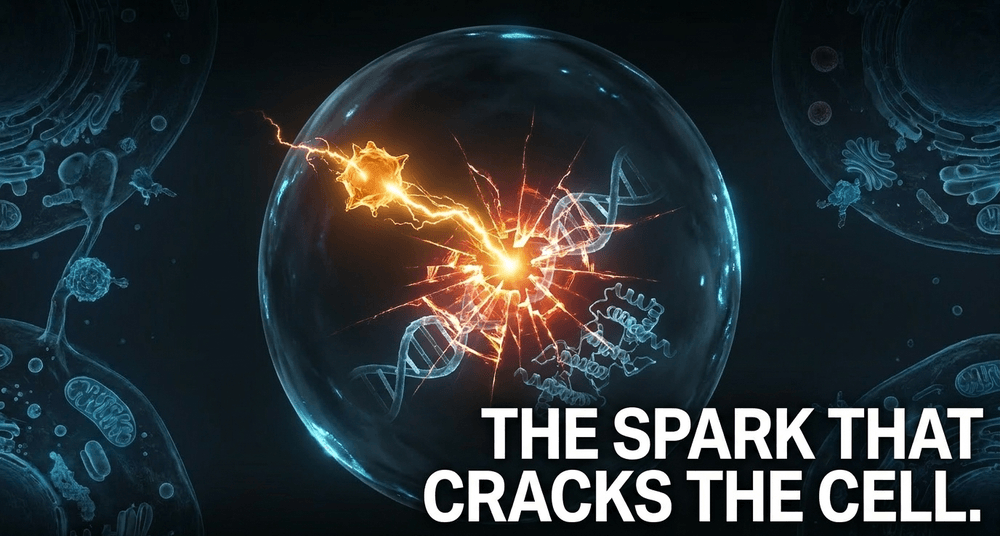
Cells possess an intrinsic quality control mechanism called mitophagy, a specialized form of autophagy that specifically removes damaged or defective mitochondria. This process is vital for maintaining a healthy mitochondrial population. However, when mitophagy is impaired, defective mitochondria accumulate, contributing significantly to cellular dysfunction.
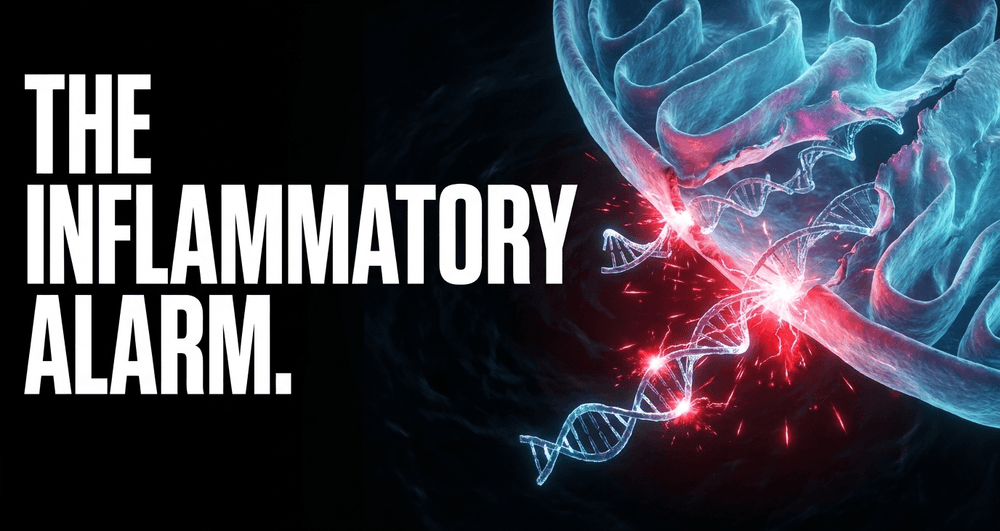
Furthermore, damaged mitochondria can sometimes leak their mtDNA into the cytosol, the fluid portion of the cytoplasm. This cytosolic mtDNA can then trigger innate immune receptors, leading to a prolonged inflammatory signaling cascade that contributes directly to the pathogenesis of chronic diseases. It's a bit like a fire alarm that keeps going off long after the fire has been put out, except the body keeps responding as though the fire is still burning.

Another critical factor is reductive stress, characterized by an increase in NADH and a corresponding reduction in NAD+ within the cell, which can impair mitochondrial signaling and further promote mitochondrial dysfunction. NAD+ sits at the very center of this process. It's the critical electron carrier in the mitochondrial respiratory chain, and it activates the sirtuin proteins (SIRT1 and SIRT3 among them) that regulate mitochondrial biogenesis, the cell's stress response, and the quality control systems that keep mitochondria functioning properly. As we age, our NAD+ levels tend to decline, mitochondria produce less ATP as their electron transport chain becomes less efficient, and the mitophagy systems that clear out damaged mitochondria slow down too - leaving dysfunctional organelles in place, where they go on generating oxidative stress. High-energy organs such as the brain, the heart, and skeletal muscle tend to feel these changes first, which may help explain why so many age-related conditions cluster in these tissues.
Academic studies and groundbreaking theories
The scientific community is increasingly converging on the centrality of mitochondrial dysfunction. A comprehensive review published in Endocrine Reviews, a highly respected academic journal, underscored this consensus, noting that many lines of investigation have converged on mitochondrial dysfunction as a central feature in the development of a variety of NCDs. This statement reflects a significant shift in understanding, moving beyond viewing mitochondria merely as energy producers to recognizing them as critical integrators of cellular health and disease.
One particularly influential theory that seeks to unify the understanding of chronic illness is the "Cell Danger Response" (CDR) theory, pioneered by Dr. Robert Naviaux, a distinguished Professor of Medicine, Pediatrics, and Pathology at UC San Diego and Director of the Mitochondrial and Metabolic Disease Center. Dr. Naviaux posits that the fundamental root cause of many chronic illnesses lies not in the initial injury or pathogen but in the disruption of the mitochondrial transformations that are essential for the healing process.
He describes the CDR as a universal response to infection, stress, or injury - an adaptive mechanism designed to protect the cell. However, Dr. Naviaux suggests that this response can become "stuck" in an activated state, even long after the initial threat has dissipated. When the CDR persists, it leads to chronic inflammation and persistent cell dysfunction, which then manifests as the wide-ranging and often perplexing symptoms of chronic illness.
"Acute illness is a temporary state; chronic illness results from the long-term inability to heal completely after an acute injury has passed. They are two sides of the same coin."
- Dr. Robert K. Naviaux
This perspective reframes chronic disease not as an ongoing battle with an external pathogen but as a failure of the body's internal healing mechanisms. Dr. Naviaux's research highlights how changes in mitochondrial proteins can signal safety or danger within the cell, alter gene expression, trigger the healing response, and adjust both fitness and susceptibility to chronic illness - changes that even appear to influence the rate of aging in response to environmental stress.

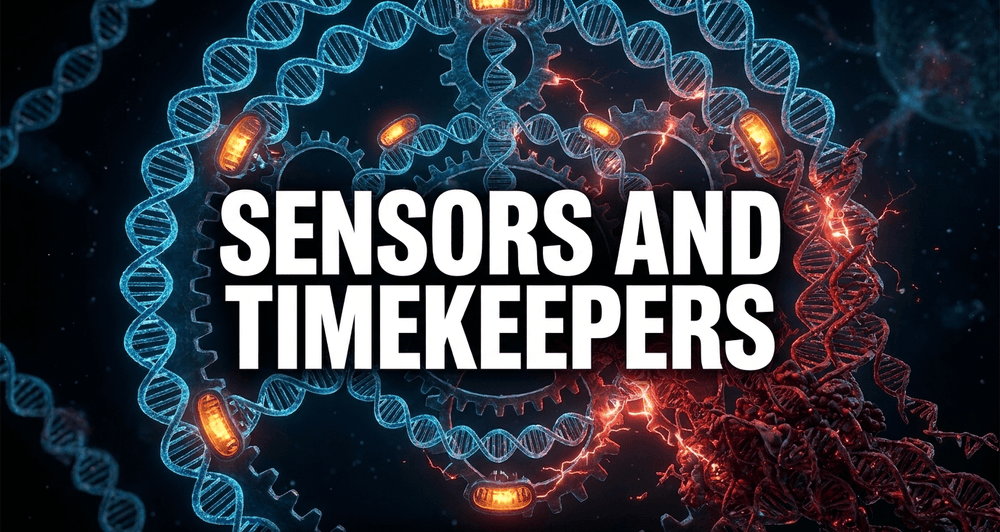
Within this framework, mitochondria are likened to cellular canaries in the coal mine - an early warning system that determines the nature and location of a problem or threat, and signals when to sound the alarm. They are not just passive energy generators but active sensors and communicators, signaling danger and orchestrating the cell's defensive maneuvers.
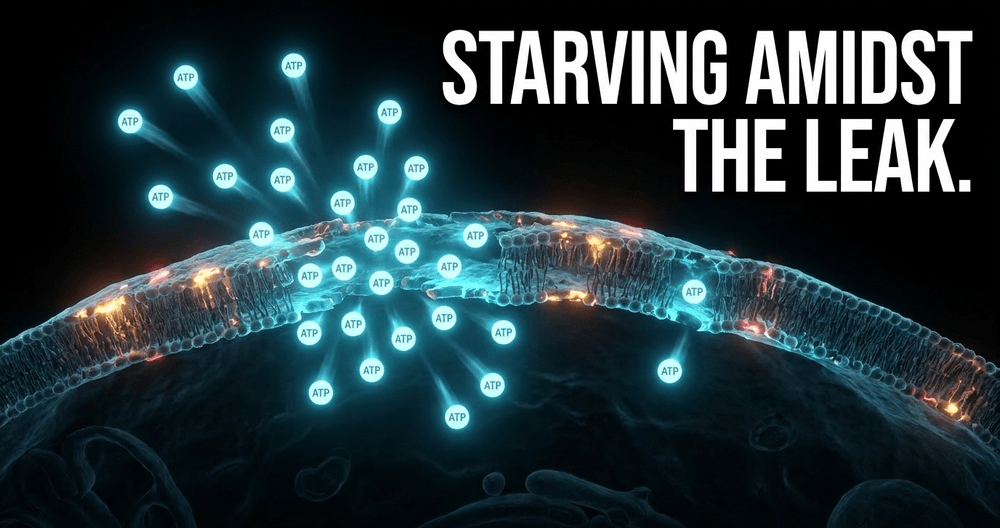
When cells are trapped in a prolonged CDR, energy in the form of ATP is paradoxically leaked outside the cell, and the remaining cellular energy is diverted away from essential repair and regeneration processes towards an ongoing state of protection. This diversion directly results in the profound chronic fatigue and persistent inflammation so characteristic of these conditions.
Insights from authoritative researchers
Leading figures in the field of mitochondrial research offer compelling perspectives that underscore the organelle's pivotal role in health and disease.
Dr. Douglas C. Wallace, widely recognized as the founder of mitochondrial genetics and the Director of the Center for Mitochondrial and Epigenomic Medicine at Children's Hospital of Philadelphia, articulated his foundational reasoning in characteristically plain terms:
"My rationale was that anything that provided 90 percent of a cell's energy couldn't be trivial, and anything that had DNA must mutate and lead to disease."
This simple yet profound insight laid the groundwork for decades of research into mitochondrial genomics and its implications. He challenged conventional anatomical views of disease, proposing a question that, at the time, sounded almost heretical: what if instead of all diseases being anatomical, some diseases could be energetic and involve the mitochondria?
Dr. Wallace's work has also illuminated the evolutionary significance of mitochondrial DNA. He has observed that mtDNA variations have changed human physiology in ways that allowed people to live in different climate zones, and that the somatic mutations accumulating in our mitochondria over a lifetime function as a kind of aging clock - one that offers an entirely new way of looking at common, complex diseases.
He also points to what he sees as an institutional blind spot in modern medicine:
"What's happened is that we have NIH institutes that are all organized around anatomy. And we have clinical departments all organized around anatomy. So as a result, we don't have a unifying view of how bioenergetics affects all the different health problems we have."
He firmly believes that mitochondria are a major factor in both health, disease, and the evolution of humans and many animals, and stresses that many common conditions - from Parkinson's to cancer - stem from mitochondrial-nuclear interactions rather than nuclear genes alone, emphasizing the complex interplay between the mitochondrial genome and the nuclear genome. As Dr. Wallace puts it, with characteristic bluntness:
"The mitochondria is central to everything that's involved in our life health and well-being. Without that energy we become inert and therefore could qualify as a cadaver."

Dr. Robert K. Naviaux, whose work on the Cell Danger Response theory is transforming perspectives on chronic illness, has spent years studying how mitochondrial proteins act as sensors of cellular fate. As he describes it, emerging evidence shows that most chronic illnesses are caused by the biological reaction to an injury, not the initial injury or the agent of the injury itself. These insights paint a picture of mitochondria as sophisticated sensors and regulators - organelles that don't just generate power, but actively interpret the body's environment and respond accordingly.
Promising therapeutic implications
The profound understanding of mitochondrial dysfunction as a central player in disease opens up significant avenues for developing novel therapeutic strategies. If we can target the underlying molecular mechanisms, we may hold the key to unlocking new treatments for a multitude of conditions. Several broad approaches are currently under active investigation.
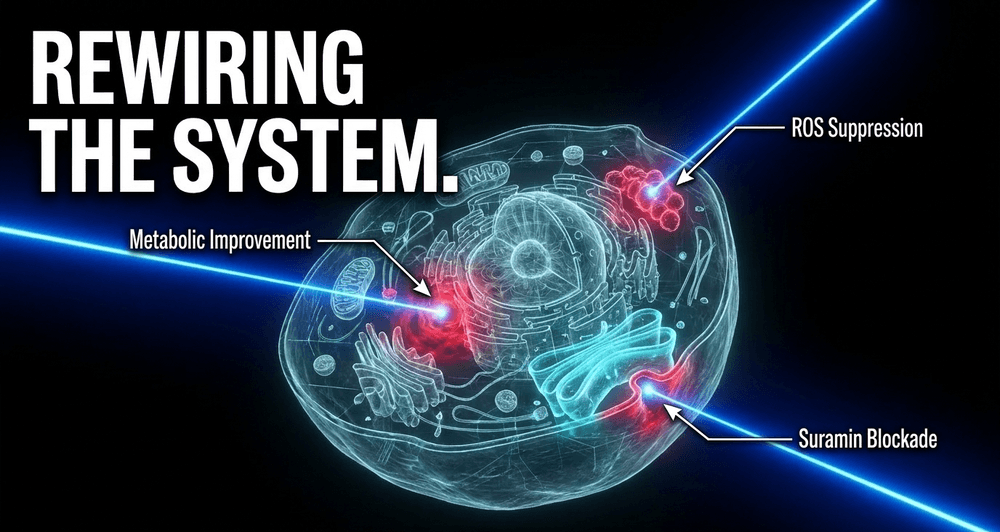
Metabolic improvement. Restoration of mitochondrial function through interventions aimed at improving cellular metabolism, such as optimizing nutrient utilization and enhancing metabolic pathways, represents a promising therapeutic target for chronic metabolic diseases.
Oxidative stress suppression. Strategies focused on suppressing oxidative stress, for example by bolstering antioxidant defenses or reducing ROS production, could mitigate mitochondrial damage and protect cellular integrity.
Mitochondrial quality control. Enhancing mitochondrial quality control mechanisms, particularly strengthening mitophagy to efficiently remove damaged mitochondria, is a crucial avenue for research and potential therapeutic development. Some of the most exciting early work in this space involves engineered approaches designed to support mitochondrial quality control directly, though much of this remains in early-stage research rather than clinical practice.
NAD+ and sirtuin pathways. Given the central role NAD+ plays in mitochondrial signaling, a great deal of research attention has gone into NAD+ precursors such as nicotinamide riboside (NR) and nicotinamide mononucleotide (NMN). The picture here is genuinely mixed. Preclinical studies in animal models have shown that these compounds can enhance mitochondrial function in aged muscle, improve insulin action, and even modestly extend lifespan under certain conditions. Human trials have moved relatively quickly too: a landmark 2018 study found that six weeks of NR supplementation elevated blood NAD+ levels by roughly 60% in healthy middle-aged adults, and later work found modest reductions in blood pressure and arterial stiffness in the same population.
More recent human trials have looked at NAD+ precursors in the context of conditions where mitochondrial dysfunction plays an especially prominent role. A 2025 randomized controlled trial of nicotinamide riboside in people with long COVID found improvements in NAD+ levels alongside cognitive symptom recovery, and small pilot studies in neurodegenerative conditions such as Parkinson's disease and ataxia-telangiectasia have reported encouraging, if preliminary, signals around neurological function and mitochondrial NAD+ preservation in dopaminergic neurons. That said, a comprehensive 2025 review in Nature Metabolism offered a more sobering overall assessment, noting that while preclinical evidence is promising, human clinical trials examining NAD+ precursors for healthy aging have so far shown limited efficacy overall. The honest summary is that this remains an active and genuinely promising area of research, but one where the human data hasn't yet caught up to the enthusiasm.
Anti-aging strategies. Given the central role of mitochondria in the aging process - now formally recognized as one of the hallmarks of aging - targeting mitochondrial dysfunction is considered a highly promising strategy for developing effective anti-aging interventions and treatments for age-related disorders generally.
Neurodegenerative disease focus. In conditions like Alzheimer's, clinical trials are actively investigating methods to boost brain mitochondrial energy production, with the hope of alleviating symptoms and slowing disease progression. Research into primary mitochondrial diseases, while challenging, offers hope for millions affected by related common conditions by providing insights into mitochondrial repair and regeneration.
Targeting the Cell Danger Response. For chronic diseases linked to a persistent Cell Danger Response, potential treatments under investigation include anti-purinergic compounds such as suramin. This compound aims to block the leakage of ATP from cells, thereby interrupting the cycle of chronic inflammation and dysfunction. Such interventions, while still largely experimental, represent a genuinely different way of thinking about the treatment of chronic illnesses - one that targets the body's stuck response rather than chasing each downstream symptom individually.
If the idea of cellular quality control intrigues you, you might also enjoy reading about the recent discovery that the human proteome may be 10% larger than previously thought - many of these newly identified microproteins appear to play roles in exactly these kinds of cellular maintenance pathways.
Cautions and ongoing research
While the evidence linking mitochondrial dysfunction to chronic diseases is compelling and ever-growing, the scientific journey is far from complete. It's important to approach these findings with appropriate scientific caution, and I think that's worth sitting with for a moment rather than rushing past.
A critical challenge lies in definitively establishing causality. While mitochondrial dysfunction is clearly involved in many diseases, it is not always immediately clear whether it is a primary cause or a secondary effect of the disease process. The relationship can be complex and bidirectional - a disease process might damage mitochondria, and that damage might then worsen the disease, in a loop that's genuinely difficult to untangle from the outside. Making unraveling the exact sequence of events difficult is, frankly, part of why this field moves more slowly than patients and families might wish.
Furthermore, the precise molecular mechanisms related to the pathogenic progression of mitochondrial dysfunction are not yet fully identified across all chronic conditions. This ongoing research aims to precisely map these pathways, which is essential for developing highly targeted and effective therapies. The role of mitochondrial function in common conditions like aging, obesity, insulin resistance, and type 2 diabetes remains an area of active investigation, with some aspects still considered speculative and even controversial within the field. It is likely that environmental factors and specific DNA mutations interact in complex ways to mediate these relationships, and untangling that interaction will require a great deal of further, detailed study.

Currently, treatments for primary mitochondrial diseases themselves remain genuinely difficult and limited. Many approaches focus on palliative care to manage symptoms rather than addressing the underlying mitochondrial defect directly, although the broader research landscape is more active than it has ever been - international collaborations are now bringing together researchers, clinicians, and patient families specifically to speed up diagnosis and accelerate the development of new treatments.
It's also worth being candid about supplements. Many nutritional products marketed to support mitochondrial health have not consistently demonstrated meaningful clinical efficacy in rigorous randomized controlled trials, and the NAD+ precursor research described above is a good example of just how mixed this picture remains - real signal in some contexts, disappointing results in others. This highlights the need for continued, robust scientific inquiry to identify truly effective interventions that can translate into tangible benefits for patients. The promise of mitochondrial medicine is immense, but it's a promise that will be fulfilled through persistent, careful, and ethically sound scientific endeavor - not through shortcuts, and not overnight.
If reading about the cellular machinery of health has piqued your curiosity more broadly, our piece on what really happens to your body while sleeping explores another corner of cellular repair that's deeply connected to everything discussed here - sleep, it turns out, is when much of this maintenance work actually gets done.
Share now









Key takeaways
- Mitochondria generate roughly 90% of cellular energy (ATP) and also regulate cell growth, signaling, calcium balance, and programmed cell death.
- Mitochondrial DNA mutations affect about 1 in 250 people, though most never develop severe disease.
- Primary mitochondrial disorders have a minimum birth prevalence of around 1 in 5,000, with childhood-onset estimates as high as 5-15 per 10,000 in some populations.
- More than 275 mtDNA mutations and over 50 distinct inherited diseases have been linked to mitochondrial dysfunction.
- Cardiac involvement affects an estimated 20-40% of children with mitochondrial disease and is a significant contributor to mortality.
- Adult mitochondrial disease prevalence in Northeast England is estimated at roughly 1 in 4,300, comparable to Charcot-Marie-Tooth disease.
- Mitochondrial dysfunction is implicated in cardiovascular disease, cancer, obesity, type 2 diabetes, neurodegenerative disease, liver disease, autoimmune conditions, and aging itself.
- The Cell Danger Response (CDR) theory, developed by Dr. Robert Naviaux, proposes that chronic illness results when an adaptive cellular defense mechanism becomes permanently "stuck."
- ME/CFS affects an estimated 1% of the U.S. population, with women affected roughly three times more often than men, and shares mitochondrial dysfunction features with long COVID.
- NAD+ precursor supplements (NR, NMN) show some promising signals in small trials for long COVID and Parkinson's, but a 2025 Nature Metabolism review found overall human efficacy for healthy aging remains limited.
Sources
- The Lily Foundation https://www.thelilyfoundation.org.uk/affected-by-mito/all-about-mito/what-is-mito-science/
- NIH/PMC: Mitochondrial Disease in Childhood: mtDNA Encoded https://pmc.ncbi.nlm.nih.gov/articles/PMC3625387/
- NIH/PMC: Advances in Mitochondrial Dysfunction and Its Role in Cardiovascular Diseases https://www.mdpi.com/2073-4409/14/20/1621
- Nature Metabolism: NAD+ precursor supplementation in human ageing https://www.nature.com/articles/s42255-025-01387-7
- American Physiological Society: Mitochondrial Dysfunction in ME/CFS https://journals.physiology.org/doi/full/10.1152/physiol.00056.2024
- Published 2026-06-14 22:32
- Modified 2026-06-14 22:32

-
Redaction