

-
 Redaction
Vampires or visionaries? Young plasma and aging
Young blood plasma science explained: from parabiosis in mice to human clinical trials. What the evidence really shows - and what the FDA says about it.
The science of young blood sits at one of the most uncomfortable intersections in modern medicine: genuinely rigorous research, a centuries-old gothic archetype, and a commercial marketplace that has repeatedly outrun the evidence. Strip away both the hype and the horror associations, and what remains is a legitimate biological question - one that researchers have been investigating with increasing sophistication for two decades.
Do the circulating proteins and factors in young blood hold any meaningful key to slowing or reversing human aging?
The honest answer, after decades of animal research and a now-growing body of human trials, is: we don't fully know yet. But the science uncovered along the way is genuinely surprising - and the therapeutic directions it has opened are more nuanced, and more ethically defensible, than early headlines suggested.
What is heterochronic parabiosis, and why does it matter?
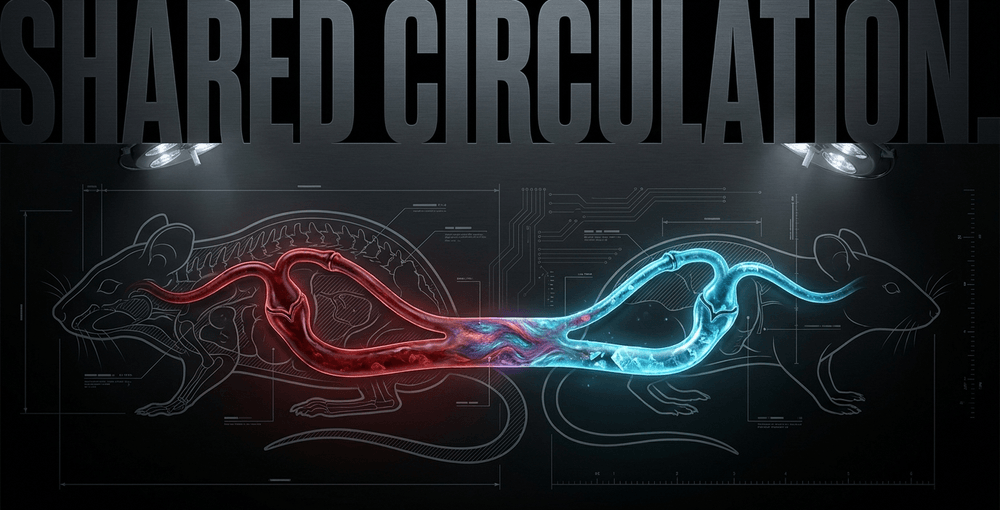
The story begins in 1864, when French physiologist Paul Bert became the first person to surgically join the circulatory systems of two living organisms. His subjects were albino rats. He wanted to know whether two separate bodies could sustain a single, shared blood supply. They could. Bert won the Prize of Experimental Physiology from the French Academy of Sciences for his work - and then the technique gathered dust for the better part of a century.
It was Clive McCay, a nutritional biochemist and gerontologist at Cornell University, who first applied parabiosis to the study of aging in the 1950s. McCay connected old rats to young ones - what would later be formally called heterochronic parabiosis - and observed that the older animals showed modest increases in lifespan. The implications were tantalizing, but the research stalled. One significant reason was parabiotic intoxication: a poorly understood condition, possibly a form of immune rejection, that killed many of the surgically joined pairs within weeks.
The modern era began in 2005, when Thomas Rando and Irina Conboy at Stanford University revived the technique with unprecedented scientific rigor. Their landmark Nature paper demonstrated that when old mice were surgically joined to young ones, the aged animals' muscle stem cells regained their capacity for regeneration. The old body, bathed in young blood, began to behave more like a young one. That single paper effectively launched an entirely new field of aging research.
What happens when old mice receive young blood
In heterochronic parabiosis, two animals of different ages share a single bloodstream. What flows through one flows through the other - hormones, proteins, growth factors, immune molecules, metabolic byproducts. The old animal gains access to the molecular environment of youth. The young animal, simultaneously, is exposed to everything that accumulates in aging blood.
The results, documented across multiple independent laboratories over two decades, are striking in both directions.
Old animals show measurable improvements including:
- Enhanced neurogenesis - the generation of new neurons in the hippocampus, which normally declines with age, shows measurable recovery
- Improved synaptic plasticity - neural connections become more capable of the strengthening and weakening that underlies learning and memory
- Better muscle regeneration - aged skeletal muscle regains some capacity to repair itself after injury
- Liver regeneration - hepatic tissue shows signs of functional restoration
- Cardiac improvement - some markers of age-related cardiac hypertrophy are measurably reduced
Young animals in these pairings don't fare as well. Exposed to the older animal's circulating environment, they begin to show signs of accelerated aging - impaired neurogenesis, cognitive slowing, reduced physical performance.
This bidirectional effect was pivotal. It told researchers that aging is not simply the loss of beneficial factors, but also, critically, the accumulation of harmful ones. That distinction would later become central to one of the most consequential debates in the entire field.
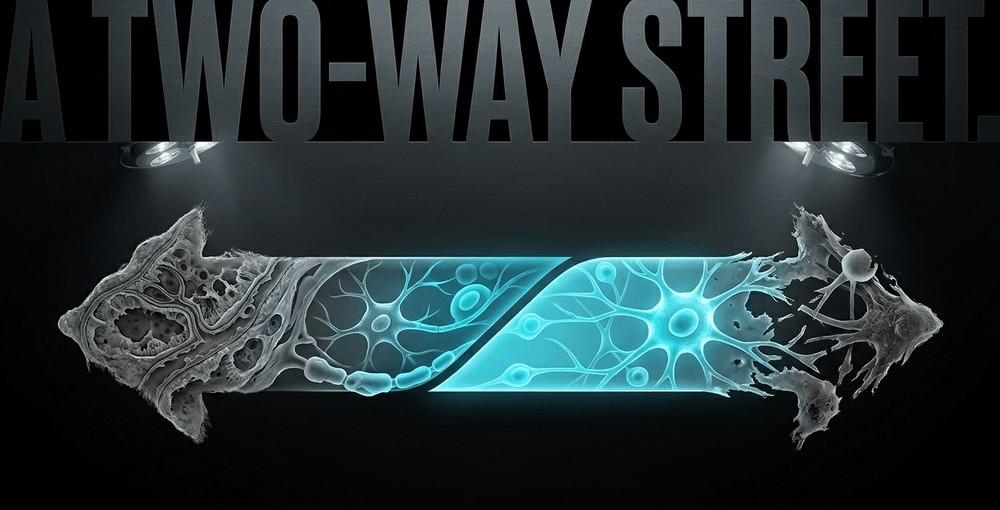
Research by Saul Villeda and Tony Wyss-Coray at Stanford confirmed that young blood improved neurogenesis and synaptic plasticity in aged mice, while old blood actively impaired learning and memory in younger animals. Work from Lee Rubin's lab at Harvard, using single-cell RNA sequencing, subsequently showed that gene expression patterns in endothelial cells - the cells lining blood vessels - shifted toward more youthful profiles when exposed to young blood.
The molecular hunt: what is actually in young blood?
Identifying which specific proteins in young blood produce these effects became one of the field's central obsessions - and one of its most contested battlegrounds.
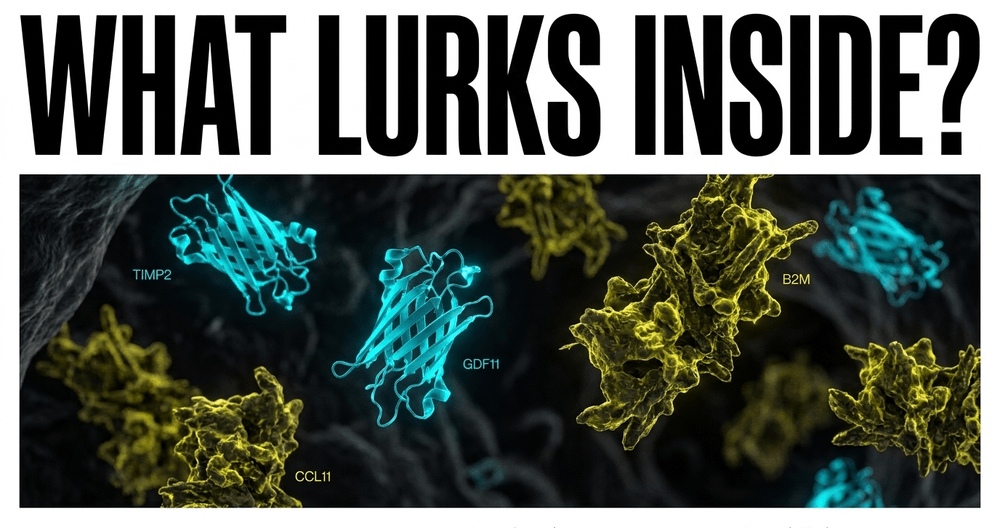
GDF11 (growth differentiation factor 11) emerged as an early candidate. A protein that declines with age, it was initially reported to reverse cardiac hypertrophy and rejuvenate cerebral vasculature in old mice. Elevian, a company co-founded by Harvard researchers Amy Wagers and Lee Rubin, is currently developing a recombinant form of GDF11 as a potential treatment for stroke and age-related conditions. However, subsequent studies have produced contradictory results on its cardiac effects, with discrepancies attributed to differences in mouse strains and protein preparation methods. The picture remains genuinely unsettled.
TIMP2 (tissue inhibitor of metalloproteinases 2), found at elevated levels in umbilical cord plasma and young mouse blood, has demonstrated something more definitive. Research showed that TIMP2 appears in the brain after intravenous administration and improves synaptic plasticity and hippocampal-dependent cognition in aged mice. Strikingly, when cord plasma was depleted of TIMP2, its cognitive benefits disappeared entirely - suggesting this factor plays a necessary, not merely associated, role. That is a much stronger finding than correlation alone.
Perhaps most significant among the identified pro-aging factors is CCL11 (eotaxin-1), a chemokine that increases in blood with age. It crosses the blood-brain barrier, suppresses neurogenesis, and impairs cognitive function. When injected into young mice, CCL11 produces premature aging of the brain. CCL11 has since been implicated in cardiovascular disease and neurodegeneration and has attracted significant interest as a therapeutic target in its own right.
Beta-2-microglobulin (B2M) is another identified culprit - a protein that accumulates in aging blood and negatively affects hippocampal function, impairing both spatial memory and the production of new neurons.
The emerging picture, then, is a complex one. Aging blood is both depleted of youth-promoting factors and enriched with aging-promoting ones. Which effect dominates - and therefore which therapeutic strategy makes most sense - has become one of the most consequential debates in the field.
The great scientific debate: add young factors, or dilute old ones?
This is where the science becomes genuinely divisive, and where the stakes for therapeutic development are highest.
One school of thought holds that the benefits of heterochronic parabiosis come primarily from adding the beneficial proteins found in young blood. This view underpins companies like Alkahest and Elevian, which have focused on identifying and delivering specific rejuvenating proteins - a more targeted, scalable, and ethically clean approach than using whole plasma.
A competing view, advanced most forcefully by Irina Conboy and Michael Conboy at UC Berkeley, proposes that the benefits come primarily from diluting the harmful factors that accumulate in old blood - not from adding anything specific. In a series of rigorous experiments, they demonstrated that exchanging an old animal's plasma with a neutral saline-albumin solution, without introducing any young blood at all, produced rejuvenating effects comparable to those seen in full heterochronic parabiosis.
The old mice showed improvements in muscle repair, liver function, and hippocampal neurogenesis - not because they received young blood, but simply because the toxic molecular cargo of their aging circulation had been diluted away.
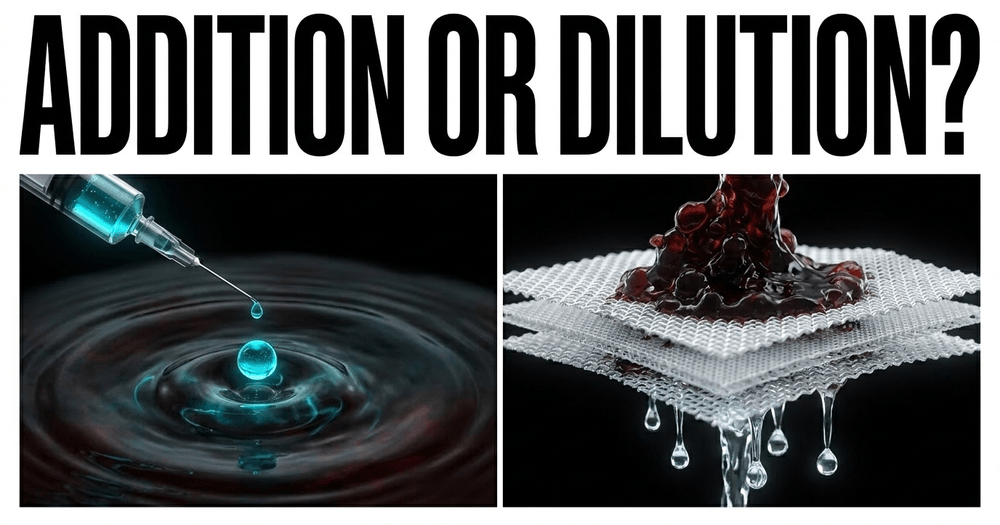
In follow-up research, plasma dilution via neutral blood exchange also improved cognitive function in old mice and reduced neuroinflammation, evidenced by decreased activation of microglia - the brain's primary immune cells. Interestingly, this dilution also caused secondary rises in circulating VEGF, BDNF, and TIMP2 - the very pro-regenerative factors associated with youth - suggesting the body may partially replenish its own regenerative signals once the suppressive burden of old plasma is relieved. The body, in other words, may already know how to help itself - if given the chance.
The Conboys' interpretation is that the dramatic rejuvenation seen in parabiosis experiments may have been systematically misattributed. The old animal wasn't being rescued by young blood's gifts; it was being rescued from its own accumulated molecular burden. This distinction has enormous consequences for therapeutic strategy: if dilution is the primary mechanism, you don't need young donors at all - and all of the ethical complications that come with them disappear.
Most researchers regard the debate as genuinely unresolved. The truth is almost certainly somewhere in the middle - both dilution of harmful factors and supplementation of beneficial ones likely play a role, with their relative contributions varying by tissue, by condition, and by the specific factors under study.
From animal models to human trials: what the clinical evidence shows
Inspired by the animal findings, researchers began exploring how this biology might translate to human beings. The procedure that emerged is called young plasma exchange (YPE): transfusing plasma - the liquid fraction of blood, separated from red blood cells and platelets - from young donors, typically aged 18 to 25, into older recipients.
It is worth pausing on a procedural distinction that carries real scientific and ethical weight.
YPE is not the same as therapeutic plasma exchange (TPE), also known as plasmapheresis. In TPE, a patient's blood is removed, the plasma is separated and discarded, and the red blood cells are returned along with a replacement fluid - usually albumin or saline. TPE is a well-established procedure, used for decades to treat conditions including Guillain-Barré syndrome, myasthenia gravis, and certain autoimmune disorders. Crucially, it does not involve young donors at all. It does, however, produce some of the dilution effects that the Conboys have argued are central to rejuvenation.
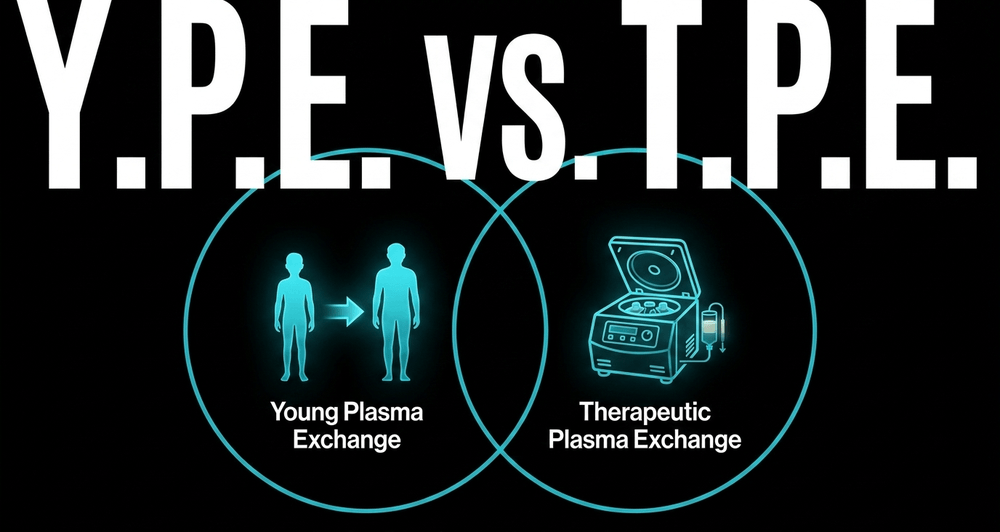
This distinction has grown more important as evidence accumulates that the dilutive component of plasma exchange may be therapeutically significant on its own - without any need for a young donor.
The Stanford PLASMA study in Alzheimer's disease
The first notable human trial was the Stanford PLASMA study, which enrolled 18 patients with mild-to-moderate Alzheimer's disease. Participants received infusions of young fresh frozen plasma from donors aged 18 to 30. The treatment was well-tolerated and deemed safe. However, it did not produce statistically significant improvements on formal cognitive measures.
What the trial did find - and this is easy to underreport - were caregiver-reported improvements in functional abilities. Some participants showed better performance on everyday tasks: remembering to take medications, preparing meals, managing basic daily routines. These functional changes were not captured by standardized cognitive assessments, pointing to a persistent methodological challenge: traditional cognitive tests may lack the sensitivity to detect changes that are meaningful in daily life.
Alkahest plasma fraction trials
Alkahest, co-founded by Tony Wyss-Coray, has run several trials investigating plasma-derived fractions rather than whole plasma - a more targeted approach. Their product GRF6019, a young plasma fraction enriched in albumin, was evaluated in Alzheimer's patients and showed cognitive stabilization by the study's end. But the trial was not statistically powered to detect efficacy, and the results remain inconclusive.
A subsequent Phase 2b/3 trial conducted by Grifols in 2020, which used plasmapheresis with albumin replacement in severe Alzheimer's, offered somewhat more optimistic signals - suggesting the procedure may slow cognitive decline in advanced cases. The evidence did not meet the bar for definitive proof of efficacy, but the directional finding was enough to sustain continued research interest.
For Parkinson's disease, a small Phase 1 trial found young plasma infusions to be safe and well-tolerated, with some preliminary signals of improvement in phonetic fluency and self-reported wellbeing. The numbers were too small to draw clinical conclusions, but the safety signal was considered adequate to justify further investigation.
The Stanford anesthesiology study: immune modulation in surgical patients
A more targeted and mechanistically illuminating study emerged from the Stanford Department of Anesthesiology. In a randomized clinical trial published in the Journal of Translational Medicine, researchers administered four infusions of a young plasma protein fraction - GRF6021 - to 38 elderly patients undergoing major joint replacement surgery.
The study found that GRF6021 significantly modulated the inflammatory and immune responses associated with surgical tissue injury. Treated patients showed anti-inflammatory immune signatures that the placebo group did not. This was the first in-human demonstration that specific components in young plasma can alter the post-surgical immune environment in elderly patients - a finding with practical clinical implications that extend well beyond the longevity space.
Umbilical cord plasma and epigenetic aging clocks
A separate line of research has explored umbilical cord plasma concentrate as an even richer source of regenerative proteins. Cord plasma contains particularly elevated levels of TIMP2 and other factors that are depleted with age. A study administering cord plasma concentrate to 18 elderly patients over ten weeks found it safe and associated with improvements in some health markers, including kidney function.
The impact on epigenetic aging was modest overall, but the GrimAge epigenetic clock - specifically calibrated to predict mortality risk - showed an average decrease of 0.82 years. For an intervention measured in weeks, even this limited signal attracted scientific attention, because GrimAge is among the better-validated of the available biological age clocks.
The 2025 Buck Institute trial: the strongest human evidence to date
The most robust human evidence to date came from a 2025 clinical trial conducted by researchers at the Buck Institute for Research on Aging, in collaboration with Circulate Health. Published in Aging Cell, this single-blind, placebo-controlled trial enrolled 44 healthy adults over the age of 50 and assessed the effects of different therapeutic plasma exchange regimens on biological age.
Crucially, biological age was measured not by a single clock but by multi-omics biomarkers spanning genomics, proteomics, metabolomics, and immune function - a significantly more comprehensive assessment than any previous study.
The results were notable:
- Participants receiving TPE alone showed an average reduction in biological age of 1.32 years
- Those who received TPE combined with intravenous immunoglobulin (IVIG) showed an average reduction of 2.61 years
- The combined treatment also modulated cellular senescence-associated proteins and restored age-associated shifts in immune cell composition
- The safety record was strong: one mild allergic reaction across 240 procedures - an adverse event rate of 0.42%
As senior author David Furman of the Buck Institute noted, this represents the first controlled clinical evidence that plasma exchange can measurably alter the molecular markers of aging in living humans.
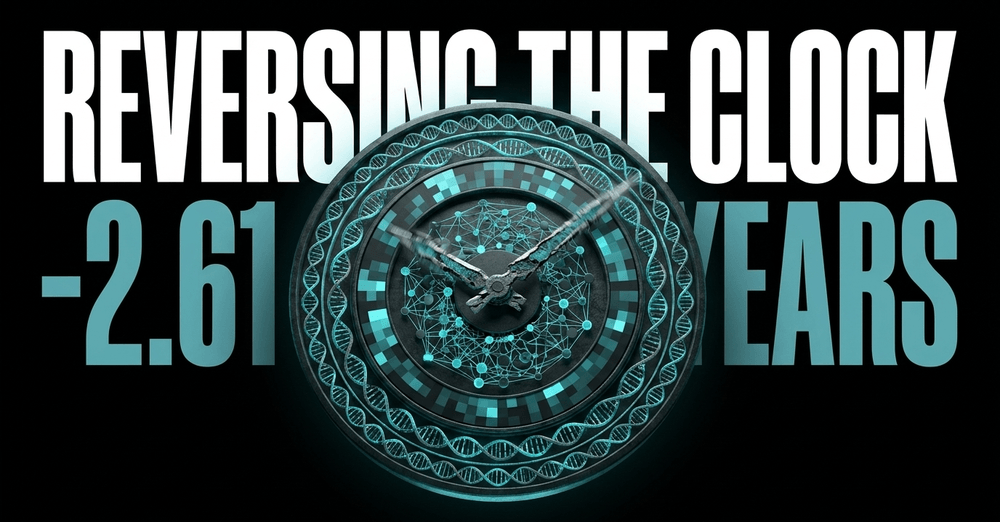
This is still a small trial. Reductions in biological age measured by multi-omics clocks do not yet translate directly to clinical outcomes like reduced dementia risk or extended lifespan. But as a proof of concept - that the intervention is safe and demonstrably shifts aging biomarkers in a controlled setting - it marks a genuinely significant step.
The FDA warning and the commercial exploitation problem
While scientists were carefully building evidence, a parallel commercial ecosystem took root - and moved far faster than the science could support.
Companies began offering young plasma infusions directly to consumers, framing them as anti-aging interventions. The most prominent was Ambrosia, founded by Jesse Karmazin, a Stanford Medical School graduate. The company charged $8,000 for a liter of plasma and $12,000 for two liters, sourced from donors aged 16 to 25. Customers ranged in age from 35 upward. No controlled data was published. Karmazin claimed improvements in Alzheimer's risk markers and blood cholesterol - but declined to release results in peer-reviewed form.
In February 2019, the FDA responded with an unusually direct public statement. Commissioner Scott Gottlieb and Peter Marks, director of the Center for Biologics Evaluation and Research, issued a joint warning:
"Simply put, we're concerned that some patients are being preyed upon by unscrupulous actors touting treatments of plasma from young donors as cures and remedies. Such treatments have no proven clinical benefits for the uses for which these clinics are advertising them and are potentially harmful."
The FDA's concerns included infectious disease transmission, allergic reactions, respiratory complications, and cardiovascular events. Its concern about high-volume infusions - several companies were offering multiple liters in a single session - was explicit. Ambrosia complied within hours, posting a single line on its website: "In compliance with the FDA announcement issued February 19, 2019, we have ceased patient treatments."
The episode illustrates a persistent vulnerability in this research area. Because blood transfusion is a legitimate, established medical practice, commercial actors can reframe unproven applications as routine procedures. The legitimacy of the underlying science does not protect patients from its premature commercial exploitation.
The FDA's position has not changed: there is no approved anti-aging indication for young plasma infusions, no proven benefit from uncontrolled infusions, and the risks are real.
Ethical dimensions that deserve honest examination
Beyond regulatory concerns, young plasma exchange raises genuine ethical questions that deserve frank consideration rather than reassuring dismissal.
Donor welfare is the most significant concern. Young plasma donors are typically paid for their contributions. In an environment where donation centers are proliferating and demand is rising, economic pressure can push vulnerable young people toward donating more frequently than is advisable. Research published by the University of Colorado Boulder found that 10% of plasma donors in one study had donated 40 or more times within a six-month period - well beyond what most medical authorities consider safe. The World Health Organization has expressed concern about compensated plasma markets and their potential for exploitation. The long-term health effects of frequent plasma donation remain largely unknown, because rigorous longitudinal studies are scarce.
Resource allocation is a less-discussed but important concern. If plasma-based anti-aging therapies were to become a standard of care, demand for young donor plasma would be substantial - and would not be distributed equally. Those with financial resources would have access; those without would not. Whether a therapy that extends the healthy years of the already-privileged at the expense of economically vulnerable young donors is ethically acceptable is a question the field has not yet answered satisfactorily.
The donor's own biology is perhaps the least-discussed concern of all. If young plasma genuinely contains regenerative factors - and the evidence suggests it does - then removing it repeatedly might have consequences for the donor's own tissue maintenance and repair. This has not been systematically studied.

These concerns do not invalidate the science. But they do mean the path from promising research finding to acceptable medical practice requires careful attention to equity and donor protection - not just efficacy.
Where the research is heading: toward specificity, away from whole plasma
The field is clearly moving away from the concept of whole young plasma as a therapeutic agent, and toward the identification and delivery of specific active components. This approach sidesteps most of the ethical complications associated with young donors.
Several directions are worth watching closely:
- Targeted protein therapies - delivering individual identified factors such as TIMP2, GDF11, or others yet to be discovered, rather than whole plasma. This allows for dosing precision, scalability, and far easier regulatory evaluation.
- Therapeutic plasma exchange with albumin replacement - using the dilution mechanism the Conboy lab identified, without any young donor involvement. This is already a medically established procedure, and its longevity applications are the subject of active clinical investigation.
- TPE combined with IVIG - the Buck Institute's 2025 results suggest that diluting aged plasma and replenishing functional immunoglobulins produces greater biological rejuvenation than either intervention alone.
- Senolytic drug strategies - drugs that selectively eliminate senescent cells and the inflammatory molecules they secrete, including CCL11, may achieve some of the same effects as plasma dilution through a pharmaceutical route. A 2023 study found that anakinra, an existing rheumatoid arthritis drug that blocks the inflammatory signal IL-1β, returned aged cells to a more youthful state in mice.
- Extracellular vesicle therapies - small vesicles shed by cells and present in blood carry biological signals and may mediate some of the rejuvenating effects attributed to young blood. Research on vesicle-based therapies is accelerating across multiple labs.
The broader lesson from two decades of parabiosis research is that aging is systemic. It is not a local failure of one tissue or one gene. It emerges from the interplay of thousands of circulating signals - and reversing it will require either understanding that interplay in extraordinary molecular detail, or developing interventions that shift the systemic environment without pretending to have resolved it.
Neither path is quick. Both are being pursued.
What the clinical and scientific evidence actually supports right now
It would be a disservice to readers to dress up the current evidence as more definitive than it is.
In animal models, the rejuvenating effects of heterochronic parabiosis and young plasma exposure are well-documented, replicated across multiple independent labs, and clearly real. The molecular mechanisms are partially understood and under active investigation.
In humans, the picture is far more equivocal. Plasma exchange appears to be safe when performed under appropriate medical supervision. Controlled trials have so far produced scattered signals: functional improvements that don't show up on cognitive tests, cognitive stabilization that may reflect the natural disease course, and biological age reductions on multi-omics clocks that have not yet been validated as reliable predictors of clinical outcomes.

The gap between a compelling mouse result and a reliable human treatment is wide. This field has not yet crossed it. That does not make the science false. It makes it early.
What can be said with confidence is that the field has already contributed genuinely valuable biology. The discovery of CCL11 as a pro-aging circulating factor, the identification of TIMP2 as a cognitively active protein with a necessary (not merely correlative) role, the Conboy lab's demonstration that diluting old plasma has measurable regenerative effects, and the Buck Institute's 2025 controlled evidence that TPE measurably shifts multi-omics biomarkers of aging in humans - these are real scientific advances. They stand regardless of how many years remain before any of them translates into standard medical practice.
Frequently asked questions about young blood and plasma exchange
Is young blood transfusion legal? Blood transfusion, including plasma transfusion, is a legal and FDA-approved medical procedure. What the FDA warned against in 2019 is marketing such transfusions as anti-aging treatments, for which there is no approved indication. The legality of the procedure does not confer regulatory approval for unapproved uses.
How is therapeutic plasma exchange (TPE) different from young plasma infusion? TPE removes a patient's own plasma and replaces it with albumin or saline - it does not use any donor plasma. It is a long-established clinical procedure used for autoimmune conditions. Young plasma exchange involves infusing plasma from young donors. They are distinct procedures with different risk profiles, different evidence bases, and different ethical implications.
What did the FDA say about young blood anti-aging clinics? In February 2019, the FDA issued a formal public warning stating that young plasma infusions for anti-aging purposes have no proven clinical benefits and carry real risks including infectious disease transmission, allergic reactions, and cardiovascular events. The agency cited concerns about patients being exploited by commercial providers.
What are the most promising molecules identified in young blood research? Current research has highlighted TIMP2 as a cognitively active protein elevated in cord and young plasma, GDF11 as a potential cardiac and cerebrovascular rejuvenator (though results are mixed), and CCL11 and B2M as pro-aging factors that accumulate in old blood and impair brain function. No single molecule has yet been proven safe and effective as a standalone human treatment.
Are there clinical trials currently underway in this area? Yes. Multiple institutions are conducting or have recently completed trials investigating TPE, young plasma fractions, and combinations with IVIG. The field is most active in Alzheimer's disease and age-related cognitive decline, as well as post-surgical immune recovery in elderly patients. For current trial listings, ClinicalTrials.gov is the authoritative source.
What is the bottom line for someone considering a commercial young plasma treatment today? The FDA's position has not changed since 2019: there is no approved anti-aging indication, no proven benefit from commercial infusions, and meaningful risks exist. Anyone considering such treatment commercially should be aware that they are paying for an unproven intervention - and that the scientific community has not endorsed it.
Share now









Key takeaways
- Parabiosis - the surgical joining of two animals to share a circulatory system - was first performed by French physiologist Paul Bert in 1864; it wasn't applied specifically to aging research until the 1950s by Cornell biochemist Clive McCay, and wasn't revived with modern rigor until Thomas Rando and Irina Conboy's landmark 2005 Nature paper.
- In heterochronic parabiosis, old mice surgically joined to young ones show measurable improvements across multiple organ systems: enhanced neurogenesis, better synaptic plasticity, improved muscle regeneration, and partial reversal of cardiac hypertrophy. Young mice exposed to old blood show signs of accelerated aging - the effect is bidirectional.
- CCL11 (eotaxin-1) is a key identified pro-aging protein that accumulates in aging blood, crosses the blood-brain barrier, suppresses neurogenesis, and impairs cognitive function. TIMP2, enriched in umbilical cord and young plasma, has been demonstrated to be necessary - not merely associated - for the cognitive benefits of cord plasma in aged mice.
- Irina and Michael Conboy's research at UC Berkeley demonstrated that simply diluting old plasma with saline-albumin, without adding any young blood, produces rejuvenating effects comparable to heterochronic parabiosis - challenging the assumption that young blood's benefits come from adding beneficial factors rather than removing harmful ones.
- The Stanford PLASMA study found young plasma infusions to be safe but not significantly effective on formal cognitive tests in Alzheimer's patients, though some caregivers reported improvements in everyday functional abilities such as medication adherence and meal preparation.
- A 2025 Buck Institute/Circulate Health clinical trial published in Aging Cell showed that therapeutic plasma exchange (TPE) combined with intravenous immunoglobulin (IVIG) reduced biological age by an average of 2.61 years as measured by multi-omics biomarkers, versus 1.32 years for TPE alone - with a safety record of one mild allergic reaction in 240 procedures.
- The FDA issued a formal public warning in February 2019 against commercial young plasma infusions for anti-aging purposes, citing no proven clinical benefit and risks including infectious, allergic, respiratory, and cardiovascular complications. Ambrosia, which was charging up to $12,000 for two liters of young plasma, ceased patient treatments within hours.
- Therapeutic plasma exchange (TPE), which removes and replaces a patient's own plasma with albumin solution without using young donors, is a medically established procedure used for decades in autoimmune conditions - and is distinct from commercial young plasma infusions. Its longevity applications are now the subject of controlled clinical research.
- Ethical concerns in this field include potential exploitation of economically vulnerable young donors, who may donate plasma at frequencies that carry unknown long-term health risks - with 10% of donors in one study donating 40 or more times in a six-month period according to University of Colorado Boulder research.
- The scientific debate remains genuinely unresolved: whether aging can be modulated by adding specific rejuvenating factors (GDF11, TIMP2, others), by diluting accumulated harmful ones (CCL11, B2M, inflammatory cytokines), or through combinations of both mechanisms is a central and still-contested question that will determine the direction of therapeutic development.
Sources
- Buck Institute for Research on Aging https://www.buckinstitute.org/news/clinical-trial-and-multi-omics-analysis-demonstrates-the-impact-of-therapeutic-plasma-exchange-on-biological-age/
- Aging Cell (Fuentealba et al., 2025) https://onlinelibrary.wiley.com/doi/10.1111/acel.70103
- Stanford Magazine - Young blood and the search for biological immortality https://stanfordmag.org/contents/young-blood-and-the-search-for-biological-immortality
- GeroScience - Plasma dilution improves cognition and attenuates neuroinflammation in old mice (Conboy lab) https://link.springer.com/article/10.1007/s11357-020-00297-8
- FDA / Texas Medical Center - FDA cracks down on young blood anti-aging claims https://www.tmc.edu/news/2019/03/fda-cracks-down-on-companies-claiming-young-blood-as-the-fountain-of-youth/
- Published 2026-06-12 23:02
- Modified 2026-06-12 23:27

-
Redaction