
-
 Redaction
Top home renovations for the best ROI in 2026
Discover which home renovations deliver the strongest ROI in 2026 - from garage doors to kitchen refreshes - backed by the latest Cost vs. Value data.
The shift toward renovation over relocation
The U.S. housing market has undergone a quiet but consequential transformation. Homeowners who once would have listed their property and moved up the ladder are now staying put and investing inward - and the data makes clear this isn't a passing trend.
According to a Redfin survey released in April 2026, 43% of homeowners renovated their properties within the last year, and 33% plan to pursue renovations in the coming 12 months. More revealing still: roughly 65% of recent renovators chose to upgrade their current home instead of moving, with 71% of those planning renovations next year explicitly citing remodeling as an alternative to buying elsewhere.
The macroeconomic forces behind this shift are straightforward. Elevated mortgage rates have made relocating financially punishing for most existing owners - approximately 80% of homeowners with a current mortgage hold interest rates below prevailing market levels. Abandoning that favorable financing to purchase at today's rates represents a significant and often untenable cost. So instead of moving, property owners are deploying capital into their existing assets to improve comfort, utility, and long-term equity.
The broader market reflects this reality. The U.S. residential remodeling sector is projected to grow from $556.37 billion in 2025 to $804.02 billion by 2033, compounding at 4.71% annually - a trajectory driven not by inflation alone, but by a genuine structural change in how Americans relate to their homes.
For homeowners navigating this environment, the central question becomes: which renovations actually pay off? Return on investment varies dramatically by project type, region, and execution quality. What follows is a breakdown of the highest-performing categories heading into the back half of 2026.
High-yield exterior improvements
Curb appeal isn't just an aesthetic concern - it's a measurable financial lever. Exterior improvements tend to offer some of the strongest returns in the entire renovation landscape, largely because they directly influence a buyer's first impression and a property's perceived market value before a single interior room is seen.
Garage door replacement
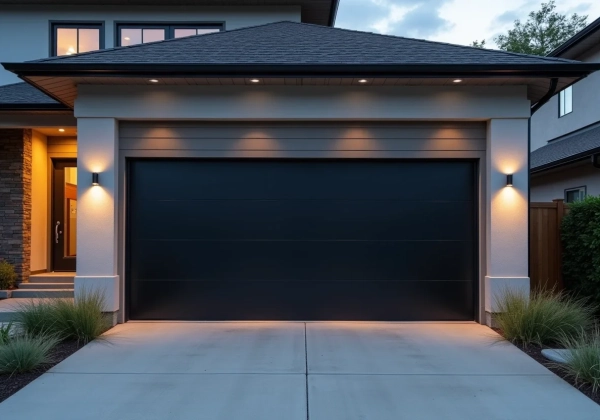
Garage door replacement has become the standout ROI performer of recent Cost vs. Value cycles, and 2025/2026 data maintains that reputation. A modern insulated garage door replacement typically costs between $4,000 and $4,672 and can add approximately $12,102 to $12,507 in property value - delivering reported returns that frequently exceed 190%, with select 2025/2026 datasets citing figures as high as 268%.
The reason this project punches so far above its cost is partly architectural: in many home designs, the garage door occupies 30% to 40% of the front-facing facade. Replacing an aging door with a contemporary insulated model simultaneously improves thermal efficiency, reduces noise transmission, and transforms curb appeal in a single afternoon's installation. Few renovation dollars work harder per square foot of visual impact.
Steel entry door replacement
The front entry door is the focal point of any facade refresh. A steel door replacement averages $2,000 to $2,500 to install and consistently returns between 188% and 216% of its cost across recent analyses, adding approximately $4,474 to $5,270 in property value.

Beyond raw ROI, the case for a steel door upgrade in 2026 is reinforced by buyer priorities: security, energy efficiency, and contemporary aesthetics rank consistently high in homeowner preference surveys. Matte black and modern dark-finish doors have moved from trend status to mainstream expectation in many markets, making this one of the most visible and cost-effective signals of a well-maintained, updated property.
Landscaping and exterior surfaces
Basic lawn care and yard cleanup remain among the highest-percentage-return projects due to their low entry costs. A basic service in the $415-$3,000 range can generate noticeable improvements in perceived value, while more comprehensive landscaping refreshes costing $4,800-$9,000 frequently recoup most or all of their investment through improved first impressions - particularly in competitive listing environments where photos drive showings.
Exterior painting deserves particular attention as a maintenance-driven value protector. A professional application costing around $10,000 can yield approximately 152% return by eliminating visible signs of deferred maintenance - the single category of concern most likely to trigger downward price negotiations from prospective buyers. Fresh paint signals a home that has been cared for, which buyers reward consistently.
Interior optimization and kitchen refreshes
Inside the home, the 2026 renovation landscape favors strategic restraint over wholesale transformation. Full gut renovations rarely recoup their costs in a reasonable timeframe; the smarter play, backed by current data, is targeted refreshes in high-utility spaces.
Minor kitchen refresh
The kitchen remains the room buyers scrutinize most closely, and minor refreshes dramatically outperform full remodels on a cost-recovery basis. Projects in the $10,000-$28,000 range - retaining the existing layout while updating energy-efficient appliances, cabinet hardware, countertops, and lighting - deliver estimated ROI between 90% and 120%, with mid-range analyses placing the figure around 113%.
The key principle here is additive improvement without structural disruption. Moving plumbing, relocating walls, or reconfiguring the kitchen triangle inflates costs sharply while adding minimal resale value. Buyers respond to a kitchen that looks current and functions well - they rarely pay a premium for a rearranged one.
Bathroom updates
Bathrooms are increasingly a decisive factor in buyer assessments, and the data supports investing here - with a dose of restraint. A mid-range bathroom remodel typically costs $10,000-$25,000 and delivers ROI in the 60%-70% range nationally, though upscale finishes can push costs far above what the local market will absorb.
The highest-return bathroom improvements tend to be surface-level: re-grouting tile, replacing fixtures, updating vanity hardware, installing a new mirror or lighting bar, and refreshing caulking. These projects can transform the feel of a dated bathroom for under $3,000 while signaling meticulous upkeep - a quality that resonates strongly with buyers in 2026's scrutiny-heavy market.
Hardwood floor refinishing
Hardwood floor refinishing costs approximately $3,400 and delivers substantial impact relative to its price point, adding around $5,000 in cited property value analyses - a targeted return of approximately 147%. This project updates the entire interior atmosphere without touching a single wall, making it one of the most efficient per-dollar transformations available to homeowners with existing hardwood underneath dated carpet or worn finishes.

It also speaks to a core buyer preference: authentic materials over surface-level substitutes. In 2026, buyers consistently differentiate between refinished original hardwood and engineered or vinyl alternatives, and they price accordingly.
Storage and built-in solutions
Functional storage has become a quiet differentiator in the current market. Closet renovations and built-in organization systems, costing between $500 and $2,500, typically return around 83% of their cost - a modest figure that understates their behavioral impact on buyers walking through a home.
Mudroom benches, walk-in pantry systems, and primary closet organizers rank among the most mentioned buyer priorities in 2026 preference surveys. Well-executed storage solutions don't just add square footage utility - they reduce the cognitive load of imagining life in the space, which accelerates purchase decisions.
Energy efficiency upgrades
Energy costs remain front-of-mind for buyers evaluating long-term ownership expenses, and efficiency-focused upgrades have crossed from "nice to have" to baseline expectation in many price brackets.
Fiberglass window replacements offer meaningful utility savings alongside improved comfort and sound attenuation. While direct ROI varies significantly by climate zone and installation scope, they consistently appear on buyer priority lists and contribute to a home's energy efficiency rating - an increasingly relevant factor in disclosure and marketing.
Smart thermostats represent one of the lowest-cost, highest-visibility efficiency upgrades available. Devices in the $150-$300 installed range (Nest, Ecobee, and comparable systems) communicate modernity and cost-consciousness simultaneously, and their presence in a home listing has become a soft signal of overall upgrade quality.


For homeowners with longer time horizons, attic insulation improvements continue to deliver some of the most favorable pure-ROI figures in the efficiency category - sometimes exceeding 100% on a cost-recovery basis while reducing monthly utility costs immediately.
Outdoor living spaces
The mortgage rate lock-in effect has a secondary consequence beyond renovation investment: homeowners are spending more time in their current homes and want those homes to work harder for their lifestyle. Outdoor living space has become the primary arena for this demand.
A wood deck addition costing roughly $18,200 typically yields a return between 89% and 95% at resale, while composite materials averaging $25,100 offer comparable value retention with substantially reduced long-term maintenance requirements. For families likely to remain in a home for five or more years, composite decking often represents the better total-cost calculation despite its higher upfront investment.
Patio additions and pergola structures operate in a similar value range and serve the lifestyle-enhancement function that motivates most renovation decisions in the current environment. Buyers who are themselves in the rental or purchase market recognize outdoor living value immediately - many are planning to stay put too, and they want the same things.
Projects to reconsider before committing
Not every renovation impulse translates into equity. Several project categories routinely underperform expectations on a cost-recovery basis, and understanding where money gets left on the table is as important as knowing where to invest it.
Upscale kitchen remodels - those exceeding $80,000-$100,000 - rarely return more than 50%-60% of their cost in most U.S. markets outside major metropolitan luxury segments. The functional improvement is real; the financial return often isn't.
Swimming pool additions remain among the most market-dependent investments in residential real estate. In sunbelt markets with year-round usability, pools can support asking price. In four-season climates, they frequently reduce the buyer pool and complicate rather than accelerate sales.
Highly personalized interior finishes - bold wallcoverings, bespoke built-ins, or niche architectural features that reflect individual taste - add zero to negative resale value in most analyses. Buyers pay for potential, not for someone else's realized vision.
The consistent principle across high-ROI projects is market-aligned neutrality: improvements that make a property objectively better without making it niche.
How to prioritize your renovation budget
With competing priorities and finite capital, homeowners need a framework for sequencing improvements. A practical 2026 approach moves through three decision layers:
Start with deferred maintenance. Roof condition, HVAC functionality, foundation integrity, plumbing, and electrical systems are table-stakes requirements in today's buyer-scrutiny environment. Inspections surface these issues immediately, and sellers who haven't addressed them face either price reductions or failed transactions. No cosmetic improvement compensates for a flagged structural issue.
Next, maximize curb appeal and first impressions. Garage door, entry door, exterior paint, and basic landscaping collectively form the buyer's emotional first contact with a property. Research consistently demonstrates that first impressions drive overall valuation anchoring - buyers who form a positive initial impression are more forgiving of interior limitations and more aggressive in their offers.
Finally, update the kitchen and primary bathroom. These spaces receive the most buyer attention during walkthroughs and the most comparative analysis during price deliberation. Minor refreshes in both rooms, executed well and photographed professionally, consistently support asking price more than any comparable investment elsewhere in the home.
The order matters as much as the projects themselves. A beautifully renovated kitchen in a home with a failing roof is a liability, not an asset.
Share now









Key takeaways
- The U.S. residential remodeling market is projected to grow from $556.37 billion in 2025 to $804.02 billion by 2033, at a CAGR of 4.71%.
- 43% of homeowners renovated their property in the past year; 33% plan to do so in the next 12 months (Redfin, April 2026).
- Roughly 65% of recent renovators chose to upgrade their current home rather than move; 71% of those planning renovations next year cite remodeling as an alternative to buying.
- Approximately 80% of mortgage holders currently carry interest rates below prevailing market levels - a primary driver of the renovation-over-relocation trend.
- Garage door replacement consistently ranks among the highest-ROI exterior projects, with reported returns frequently exceeding 190% and reaching up to 268% in select 2025/2026 datasets.
- Steel entry door replacement offers strong ROI, typically cited between 188% and 216% at an installation cost of $2,000-$2,500.
- Minor kitchen refreshes ($10,000-$28,000) deliver estimated ROI in the 90%-120% range by retaining the existing layout while updating finishes and appliances.
- Hardwood floor refinishing (~$3,400) delivers an estimated 147% return and is one of the most efficient per-dollar interior upgrades available.
- Exterior painting (~$10,000) can yield approximately 152% ROI by eliminating visible signs of deferred maintenance - one of the most common buyer objections.
- Wood deck additions (~$18,200) typically return 89%-95% of their cost, while composite decking (~$25,100) offers comparable value with lower long-term maintenance costs.
- Upscale kitchen remodels exceeding $80,000-$100,000 rarely return more than 50%-60% of cost in most U.S. markets.
- Basic landscaping refreshes ($4,800-$9,000) frequently recoup most or all of their investment through improved curb appeal and first impressions.
Sources
- Redfin - Survey: homeowners choose to remodel rather than relocate (April 2026) https://www.redfin.com/news/survey-homeowners-remodel-not-renovate/
- GlobeNewswire / Renub Research - United States residential remodeling market size & forecast report https://finance.yahoo.com/sectors/energy/articles/united-states-residential-remodeling-industry-155100149.html
- Opendoor - Best home improvements to increase value in 2026 https://www.opendoor.com/articles/best-home-improvements-to-increase-value-where-to-spend-for-maximum-roi-in-2026
- AmeriSave - Understanding home renovation ROI: a complete guide to smart investment decisions https://www.amerisave.com/learn/understanding-home-renovation-roi-in-a-complete-guide-to-smart-investment-decisions
- House America Group - Best and worst home improvement projects to increase equity in 2026 https://www.houseamericagroup.com/blog/2026-best-and-worst-home-improvement-projects-to-increase-your-equity
- Published 2026-04-26 01:13
- Modified 2026-05-22 03:16

-
Redaction