

-
 Redaction
Fitness trackers: From gears to AI sensors
From Perrelet's 1780 pedometer to FDA-cleared smartwatches: the complete history of fitness trackers, how sensors work, and why your data privacy matters.
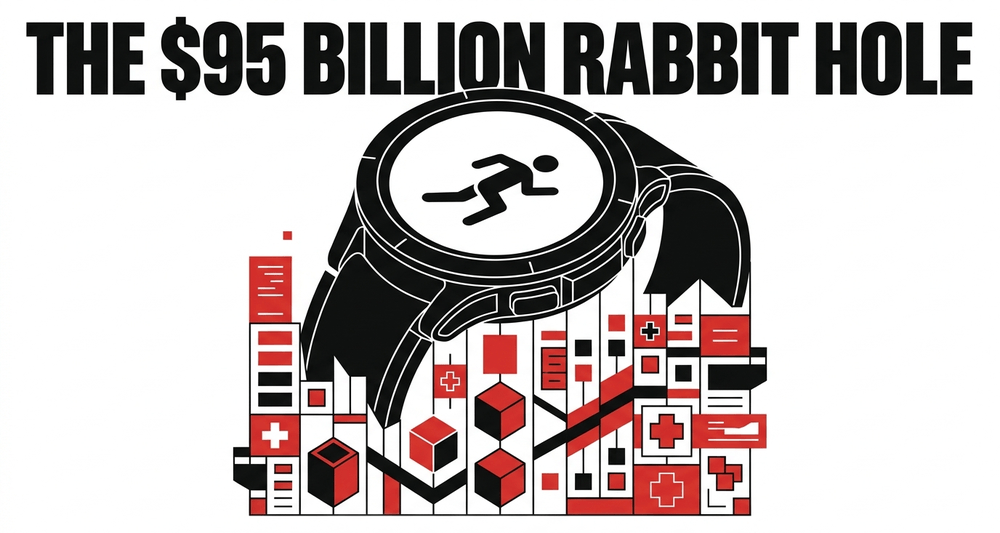
Fitness trackers are now a $95 billion industry - but most people have no idea how deep the rabbit hole goes. What started as a Victorian pocket novelty became a medical-grade sensor platform that can catch a heart arrhythmia before your cardiologist does.
This is the full story: the engineers, the missteps, the genuine breakthroughs, and the uncomfortable data privacy questions nobody in the marketing department wants to answer.
The mechanical roots of quantified self
Most people think fitness tracking started with a Silicon Valley startup, but the reality is much more grease and gears. If you look back at the 18th century, horologists were already obsessed with measuring movement.
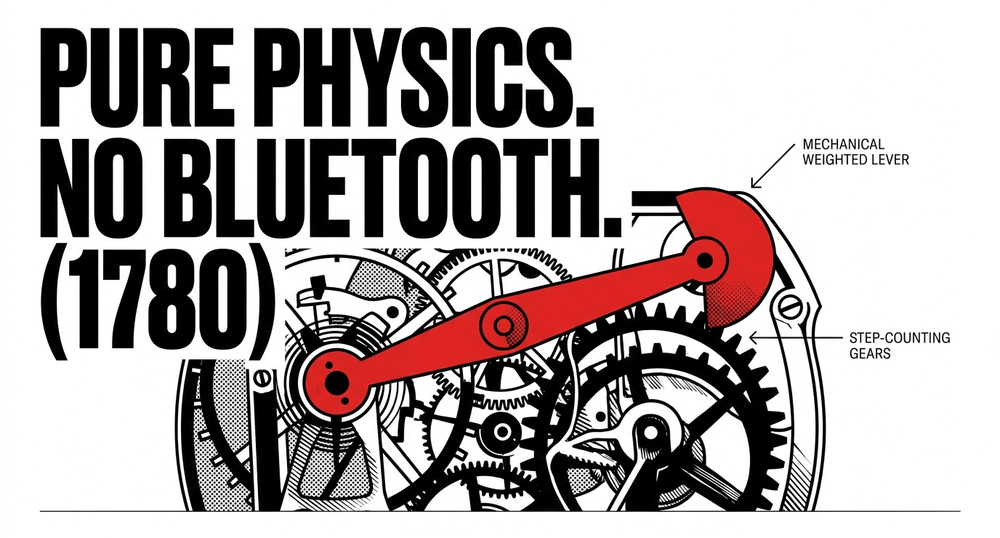
Swiss watchmaker Abraham-Louis Perrelet is generally credited with creating the first mechanical pedometer in 1780. Even Thomas Jefferson - essentially the colonial era's version of a tech early adopter - later brought back an improved version from France. These devices were pocket watches with a weighted lever inside. Every time you took a step, the lever swung, clicked a gear, and moved a hand on a dial. No batteries, no Bluetooth, just pure physics.
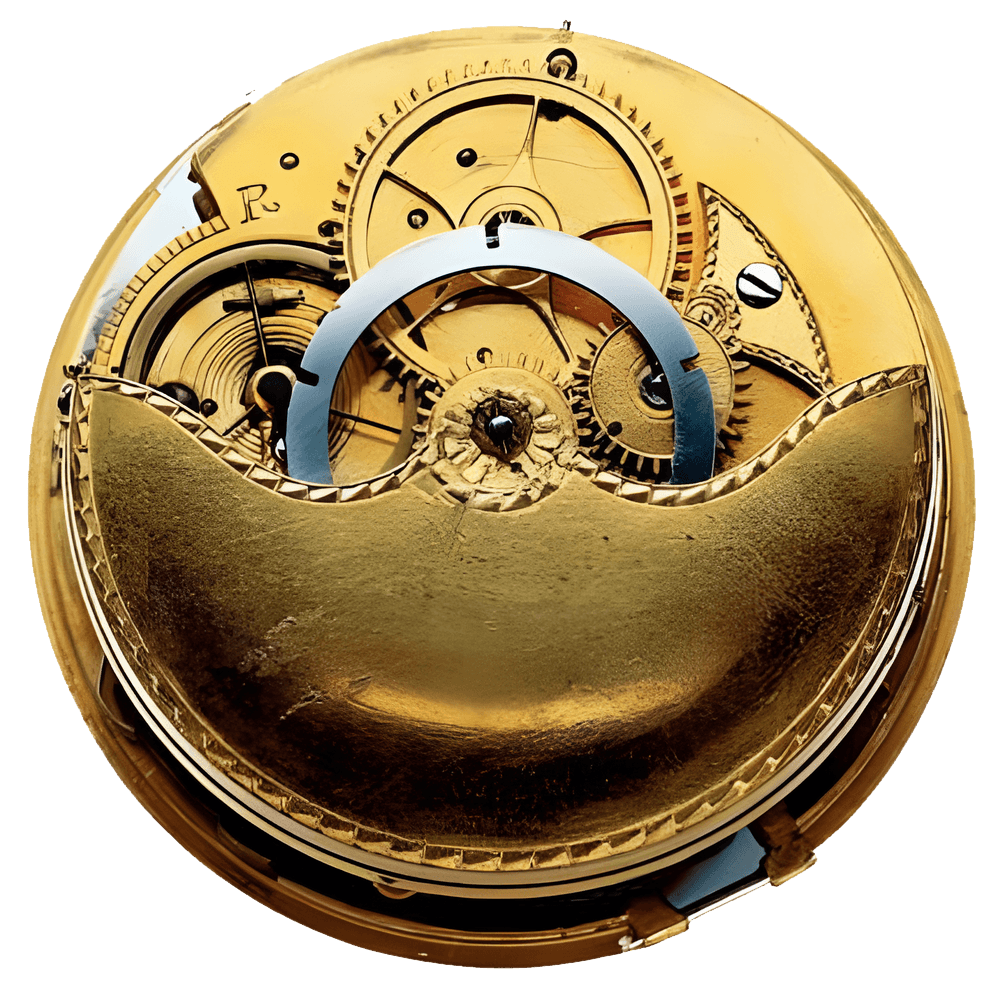
Pedometers didn't remain a curiosity for long. By the early 19th century they had spread across Europe as practical instruments for surveyors, soldiers, and anyone keen to measure their daily constitution. The underlying mechanism changed very little over that period - a swinging lever, a toothed gear, a numbered dial - because it simply didn't need to. The physics worked.
It took another two centuries for someone to give us a reason to actually care about the number on that dial.
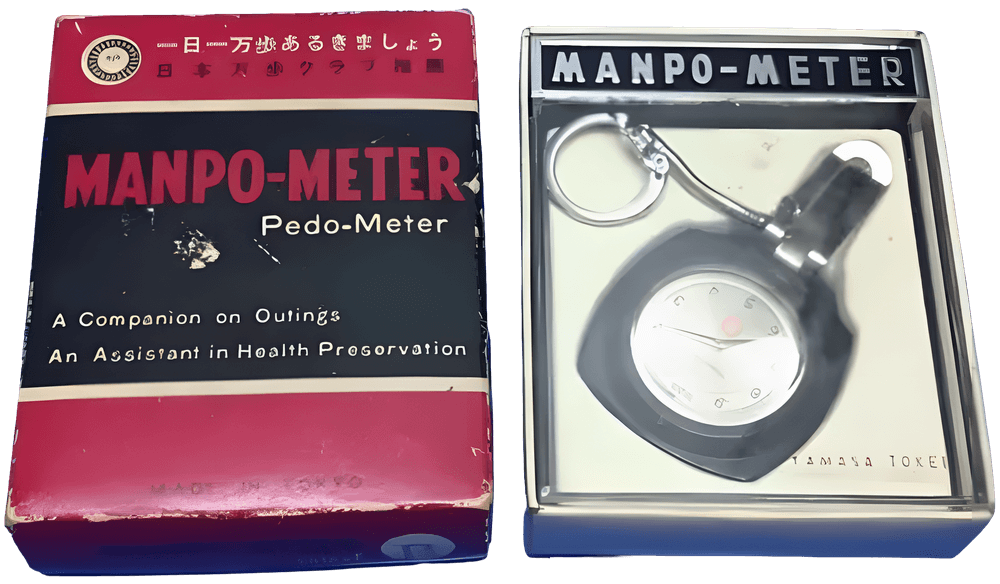
In 1965, Yamasa Clock, a Japanese instrument company, launched the Manpo-kei - a commercial pedometer built on research by Dr. Yoshiro Hatano, a professor at the Kyushu University of Health and Welfare. The name translates literally to "10,000 steps meter." Hatano's logic was simple: he wanted to address rising obesity rates by balancing calories in with calories out, and he calculated that 10,000 steps was the threshold. It was a marketing masterstroke built on a pleasingly round number, and it has been baked into the firmware of every smartwatch since.
Worth knowing: The 10,000-step target has since been scrutinised by researchers. A 2019 study published in JAMA Internal Medicine found meaningful mortality benefits plateauing at around 7,500 steps per day for older women. The magic number was always more marketing than medicine.
The practical implication of that research is worth sitting with: millions of people feel guilty every day for hitting 8,000 steps instead of 10,000 - entirely because a Japanese clock company chose a round number for a product name sixty years ago.

The transition to electronics and chest straps
By the late 1970s, the industry moved away from mechanical pendulums toward electronic sensors. Polar, a Finnish company founded in 1977 by engineer Seppo Säynäjäkangas, changed the game entirely. The company filed its first patent for wireless heart rate measurement that same year and followed it up with a working prototype shortly after.
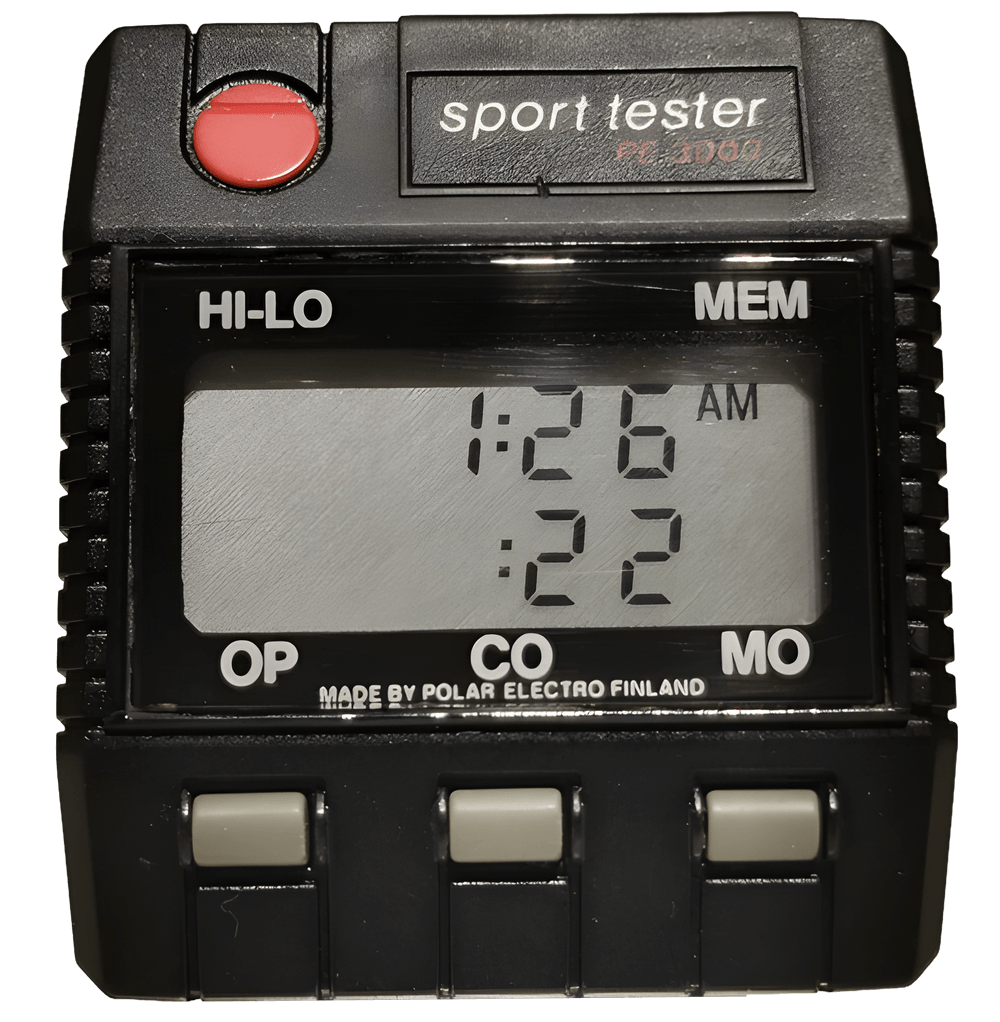
In 1982, Polar launched the Sport Tester PE2000 - the world's first wearable, wire-free heart rate monitor. Before this existed, if you wanted a real-time heart rate, you were either stopping mid-run to count pulses against your neck or you were tethered to a bulky clinical machine. The PE2000 was a chest strap that transmitted data wirelessly to a wrist receiver. Clunky? Absolutely. The interface was a tiny LCD that barely showed digits. But for the first time, an athlete could see their physiological "engine RPM" in real-time, untethered.
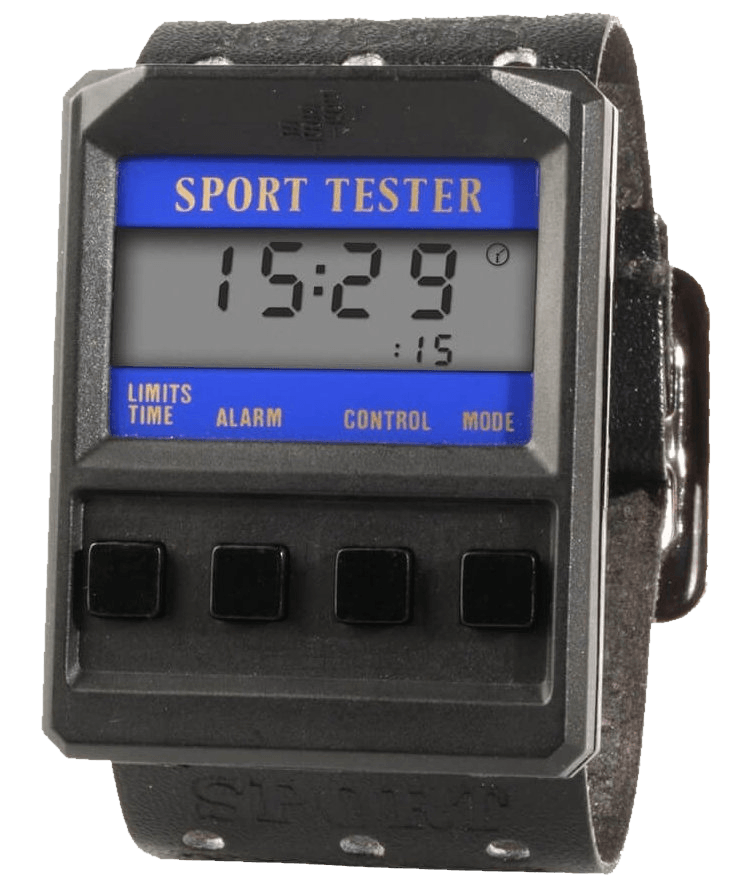
By 1984, the PE3000 model added a computer interface. This was the pre-cloud era of data syncing - you physically hooked the device to a PC to generate graphs. Tedious, yes, but it established a foundational idea: training loads should be adjusted based on physiological response, not just perceived effort. That principle is the entire premise of every "Readiness Score" feature in modern wearables.
The silicon explosion and the Nike+ era
Through the 1990s and early 2000s, microchips got dramatically smaller and cheaper. This is where the 3D accelerometer enters the picture. Instead of a physical pendulum swinging on a hinge, devices adopted MEMS (Micro-Electro-Mechanical Systems) sensors - tiny silicon structures that measure acceleration across three axes simultaneously, enabling a device to distinguish a walk from a run from someone waving their arm in a bar.
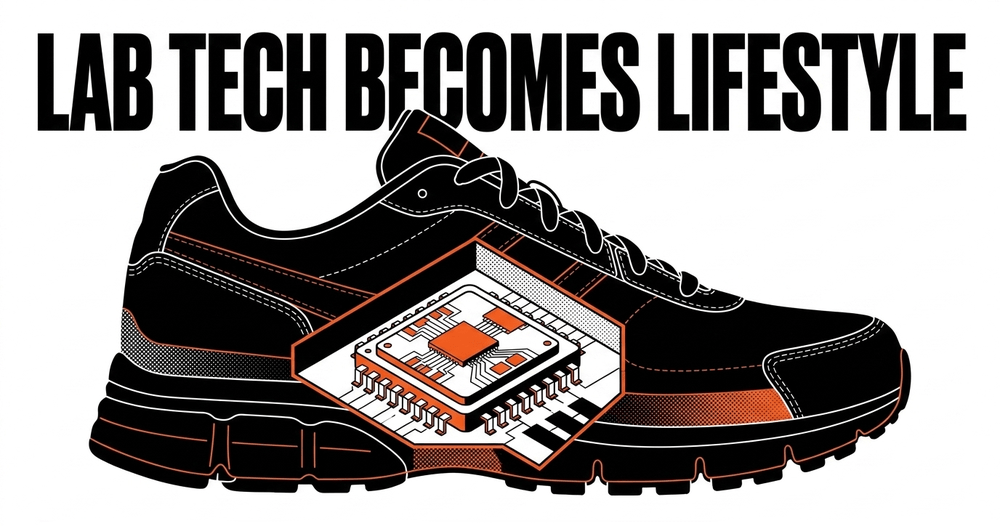
Nokia made an early attempt with the 5500 Sports handset, but the real cultural turning point arrived in 2006 with the Nike+iPod. A compact sensor nestled under the insole of a Nike+ shoe communicated wirelessly with a receiver plugged into an iPod Nano. It was the first time activity tracking felt like lifestyle rather than a lab experiment. It transformed a run into a curated playlist of personal stats and became the bridge between niche athletic performance tools and the general consumer market.
Fitbit and the birth of the wearables category
Fitbit was incorporated in 2007, but it was their first device - the Fitbit Classic, released in 2009 - that redefined the market. It was a small plastic clip, the sort of thing you'd find at the bottom of a laundry machine a week later. It tracked steps, distance, and calories, then synced wirelessly to a base station. This was the moment "wearables" became a consumer category, not just an athletic niche.
Fitbit demonstrated there was a large, underserved market of ordinary people who simply wanted to know if they were moving enough between their commute, desk, and couch.
As smartphones became the dominant computing platform, trackers abandoned proprietary base stations and started syncing directly to phones via Bluetooth Low Energy (BLE). This was the "Always On" era - you were no longer just recording a workout, you were logging your entire biological day, including restless sleep. The device moved from belt clip to wrist, where it has been ever since.

The smartwatch takeover
When Apple Watch launched in April 2015, it fundamentally restructured the market. The question shifted from why would I buy a fitness tracker? to why would I buy a fitness tracker when I could have a wrist computer? Single-purpose tools lost ground rapidly to multi-functional platforms. Global smartwatch shipments climbed sharply as the category absorbed what had previously been the standalone tracker segment.
Sensors inside these watches became correspondingly sophisticated:
- Altimeters for counting floors climbed
- GPS for route tracking without carrying a phone
- Optical PPG sensors using green LEDs to detect blood volume changes at the capillary level - not as precise as a clinical ECG, but accurate enough for most everyday monitoring purposes

The shift toward clinical diagnostics
This is arguably the most consequential development in the history of consumer health technology. The line between a gadget and a medical device has effectively dissolved for certain applications.
Consumer wearables are now FDA-cleared for capabilities that previously required a hospital visit:
- ECG-based AFib detection - monitoring for atrial fibrillation and alerting the user when an irregular rhythm is detected
- Sleep apnoea risk notifications - analysing breathing patterns and blood oxygen fluctuations during sleep
- Irregular heart rhythm alerts - flagging anomalies for follow-up with a clinician
- Fall detection - using accelerometers and gyroscopes to identify a high-impact fall followed by immobility, then automatically contacting emergency services
- Blood oxygen (SpO2) monitoring - using red and infrared light to estimate haemoglobin oxygen saturation
- Skin temperature trending - tracking subtle baseline shifts to predict menstrual cycles or flag the early stages of illness
This transition carries real clinical weight. A 2019 study from the Apple Heart Study - involving over 400,000 participants and conducted in partnership with Stanford Medicine - found that Apple Watch's irregular pulse notification had a positive predictive value of 84% for AFib. These are not toy numbers.

How the sensors actually work
Understanding what your tracker is doing underneath the silicone band requires a brief detour into physics and optics.
The most common sensor in consumer wearables is the photoplethysmography (PPG) sensor - the green LED array on the underside of your watch. It works by shining light into your skin and measuring how much is reflected back. Blood absorbs green light more efficiently than surrounding tissue, and the amount of light reflected fluctuates in sync with your heartbeat as blood volume changes in the capillaries. The device's processor converts that optical signal into a heart rate reading.
This is also why wrist-based heart rate is less accurate during high-intensity exercise. The more your wrist moves, the more motion artefact contaminates the optical signal. It's a physics problem, not a software one - though manufacturers invest heavily in algorithms that attempt to compensate.
Red and infrared LEDs do a similar job for SpO2 monitoring, exploiting the fact that oxygenated and deoxygenated haemoglobin absorb light at different wavelengths. Pulse oximetry has been used in hospitals for decades and the underlying science is well-established, but the accuracy of consumer implementations varies considerably - particularly in users with darker skin tones, where melanin can interfere with the optical signal. Several independent studies have flagged this as a significant equity issue in wearable health technology that the industry has been slow to address.
The 3D accelerometer and gyroscope combination inside your wrist device measures linear acceleration and rotational movement simultaneously. This allows the device's algorithm to distinguish between step cadence, sleep position changes, high-G impact events (fall detection), and arm-swing patterns during different exercise modalities. It is also the reason your tracker occasionally credits you with steps for enthusiastic hand gestures.

Beyond the wrist: rings, glasses, and smart fabrics
The wrist is prime real estate, but it is getting crowded. Form factor diversification is now one of the most active areas of hardware innovation.
Smart rings have emerged as a serious alternative. They are less intrusive than a watch, carry better battery life (no display to power), and the finger offers superior sensor placement - the skin is thinner there, blood vessels are closer to the surface, and motion artefacts from wrist movement are reduced. This makes finger-based pulse oximetry measurably more accurate than wrist-based alternatives in controlled studies.
Smart fabrics represent the next frontier. Sensors woven directly into thread can, in theory, turn a compression shirt into a muscular output monitor or a running sock into a real-time gait correction device. These are not purely speculative - high-performance athletic brands are already commercialising early versions in training environments.
Smart medical beacons are another emerging branch, designed to track patient health and location within hospital infrastructure in real-time, without tethering patients to a bed or requiring manual vital sign checks.
The AI and machine learning layer
Once hardware capabilities reached a plateau of miniaturisation, the competitive battleground shifted to software intelligence. A raw heart rate number is a data point. When an AI model cross-references that number with your Heart Rate Variability (HRV), the previous night's sleep architecture, your cumulative training load across the last two weeks, and your resting skin temperature trend - it becomes actionable insight.
This is the logic behind "Readiness Scores" and "Body Battery" features across platforms like Whoop, Garmin, and Oura. The device is no longer just a recorder; it is a predictive health model calibrated to your individual baseline.
Current AI applications in consumer wearables include:
- Stress quantification via electrodermal activity (EDA) and skin conductance sensors
- Non-invasive metabolic trend tracking, with some platforms beginning to estimate continuous glucose fluctuations using photoplethysmographic algorithms
- Recovery optimisation, dynamically adjusting recommended training intensity based on physiological readiness signals
- Illness early-warning signals, detecting the subtle pre-symptomatic HRV depression and resting heart rate elevation that typically precede viral infection by 24-48 hours
"The device knows you are getting sick or burnt out before you do." That sentence would have sounded like science fiction in 2010. In 2026, it is a product feature.
The data privacy bottleneck
Here is the part the marketing brochures leave out.
All of this personalised health intelligence requires a continuous, intimate stream of biological data. Your tracker is, in practical terms, a biosensor that knows more about your physiology than your GP does. Studies suggest over 80% of wearable apps share data with third-party entities - including, in some documented cases, insurance providers and data brokers.
About 64% of users currently use these devices primarily for step counting and workout logging. But the segment using them for stress, mood, and hormonal cycle tracking is growing - now approximately 22% of the user base and climbing. The more medical these devices become, the more they bump against regulatory frameworks like HIPAA in the US and GDPR in Europe. The problem is that most consumer health apps are not held to the same standards as a clinical service, even as they accumulate far more intimate longitudinal data than most clinicians ever see.
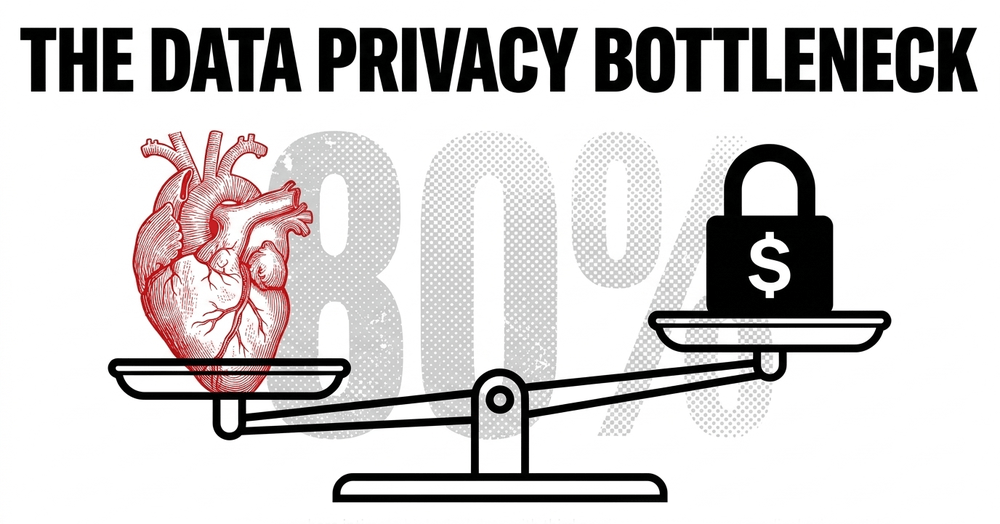
This is an unresolved tension that regulators, manufacturers, and users are all still navigating.
The practical implication is worth sitting with: the same device that can alert a cardiologist to an irregular heartbeat can also sell that information to an insurance underwriter. Consumer health data in most jurisdictions occupies a legal grey zone - not quite medical records, not quite retail behavioural data. Until that gap is closed legislatively, the best protection available to users is reading privacy policies before purchasing and scrutinising data-sharing permissions in your device's companion app settings.
Future trends: continuous multi-parameter monitoring
The destination the industry is moving toward is what engineers in the space call "Continuous Everything." Less than 30% of current consumer devices support continuous glucose monitoring (CGM) integration or non-invasive blood pressure trending - but both numbers are rising sharply.
Key capabilities approaching mainstream commercialisation:
- Body composition analysis via bioelectrical impedance, distinguishing fat mass from lean muscle without a body scanner
- Hydration tracking through sweat electrolyte analysis via skin-contact sensors
- Respiratory rate monitoring, now increasingly used as an early indicator of cardiac or respiratory distress
- AI-assisted blood glucose estimation using near-infrared spectroscopy and machine learning models trained on continuous glucose monitor reference data
The global wearable health technology market is projected to exceed $95 billion by 2028, driven primarily by clinical-grade consumer monitoring and AI-powered health intelligence layers.
How to choose the right fitness tracker in 2026
Given the range of hardware options, the right device depends entirely on what you are actually trying to measure.
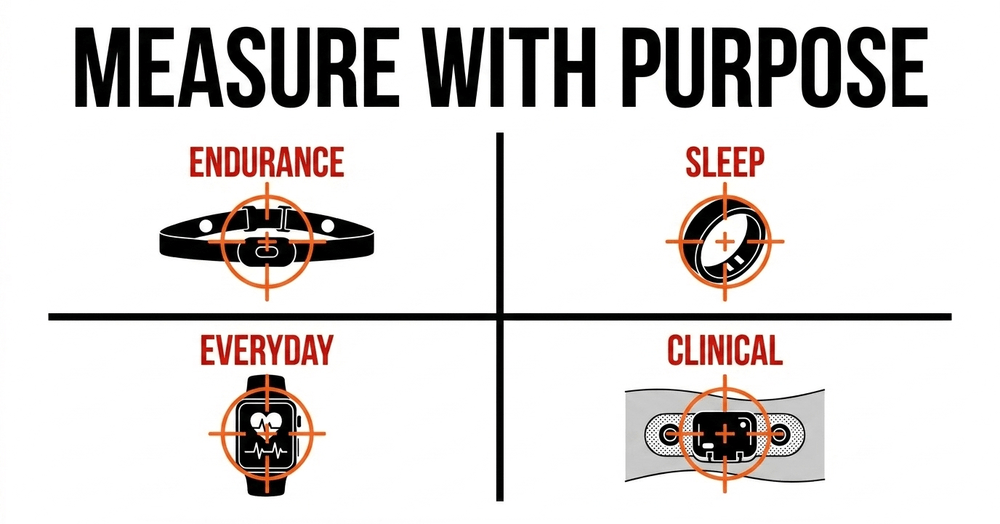
- For serious endurance athletes: A chest strap paired with a GPS running watch (Polar or Garmin) remains the most accurate combination for heart rate and training load analysis. Optical wrist sensors have improved dramatically but still lag behind electrode-based ECG in motion-heavy conditions.
- For sleep and recovery focus: Smart rings (such as Oura) consistently outperform wrist-based wearables in sleep staging accuracy, largely due to superior sensor placement and the absence of wrist movement artefacts.
- For everyday health monitoring: A full-featured smartwatch with FDA-cleared AFib detection and SpO2 monitoring is the most practical single-device solution for most users.
- For clinical-level cardiac monitoring: Dedicated medical-grade wearable patches (cleared Class II medical devices) offer the most reliable continuous ECG data, though they sit outside the "consumer wearable" category.
The technology is genuinely impressive. A $500 watch in 2026 carries sensors that would have occupied an entire hospital cart in 1990. But as an engineer, I'll always give you the same closing caveat: the tech only works if you actually change your behaviour based on what it tells you.
Share now









Key takeaways
- The first mechanical pedometer is generally credited to Swiss watchmaker Abraham-Louis Perrelet in 1780 - over 240 years before the Apple Watch.
- The iconic 10,000-step daily goal was never a medical recommendation. It originated as the marketing name of the Manpo-kei pedometer, launched by Yamasa Clock in 1965, based on caloric research by Dr. Yoshiro Hatano of Kyushu University of Health and Welfare.
- A 2019 study in JAMA Internal Medicine found that mortality benefits for older women plateau at around 7,500 steps per day - not 10,000.
- Polar, founded in Finland in 1977, launched the world's first wearable, wire-free heart rate monitor - the Sport Tester PE2000 - in 1982, ending the era of tethered clinical monitors for athletes.
- Modern consumer wearables are now FDA-cleared for detecting atrial fibrillation (AFib), flagging sleep apnoea risk, monitoring blood oxygen saturation (SpO2), and triggering automated fall detection alerts.
- The Apple Heart Study (Stanford Medicine, 2019) - enrolling over 400,000 participants - found Apple Watch's AFib notification algorithm had a positive predictive value of 84%, validating consumer-grade cardiac screening at population scale.
- Global fitness tracker and smartwatch shipments reached 178 million units in 2025, with the broader wearable health technology market projected to exceed $95 billion by 2028.
- Over 80% of wearable health apps share user data with third-party entities, including, in some documented cases, insurance companies and commercial data brokers.
- Approximately 64% of users still use wearables primarily for step counting and workout tracking, while 22% now use them for stress, mood, and recovery monitoring.
- Optical PPG sensors can be less accurate for people with darker skin tones, as melanin interferes with light absorption readings - a significant health equity issue flagged by multiple independent studies.
- Smart rings offer measurably better sensor placement than wrist-based devices for pulse oximetry and sleep staging, due to thinner skin and reduced motion artefacts at the finger.
- Less than 30% of current consumer devices support continuous glucose monitoring (CGM) integration or non-invasive blood pressure trending - but both figures are rising rapidly toward mainstream adoption.
Sources
- Polar Blog - How heart rate monitors changed endurance sports https://www.polar.com/blog/how-heart-rate-monitors-changed-endurance-sports/
- IEEE Spectrum - The first Fitbit https://spectrum.ieee.org/fitbit
- The Medical Futurist - The evolution of fitness tracking https://medicalfuturist.com/the-evolution-of-fitness-tracking
- Perrelet - Our history https://www.perrelet.com/en-GB/our-history
- JAMA Internal Medicine - Steps per day and all-cause mortality in older women (2019) https://jamanetwork.com/journals/jamainternalmedicine/fullarticle/2734709
- Stanford Medicine - Apple Heart Study: results and methodology https://med.stanford.edu/appleheartstudy.html
- U.S. Food and Drug Administration - Digital health center of excellence: wearables https://www.fda.gov/medical-devices/digital-health-center-excellence
- Statista - Wearable devices worldwide shipments forecast https://www.statista.com/statistics/490231/wearable-devices-worldwide-shipments/
- Published 2026-06-02 17:50
- Modified 2026-06-02 17:50

-
Redaction