

-
 Redaction
IP ratings explained: what waterproof really means
IP ratings don't mean what most people think. Learn how IEC 60529 codes really work, what manufacturers don't tell you, and how to protect your devices.
The marketing illusion of waterproof tech
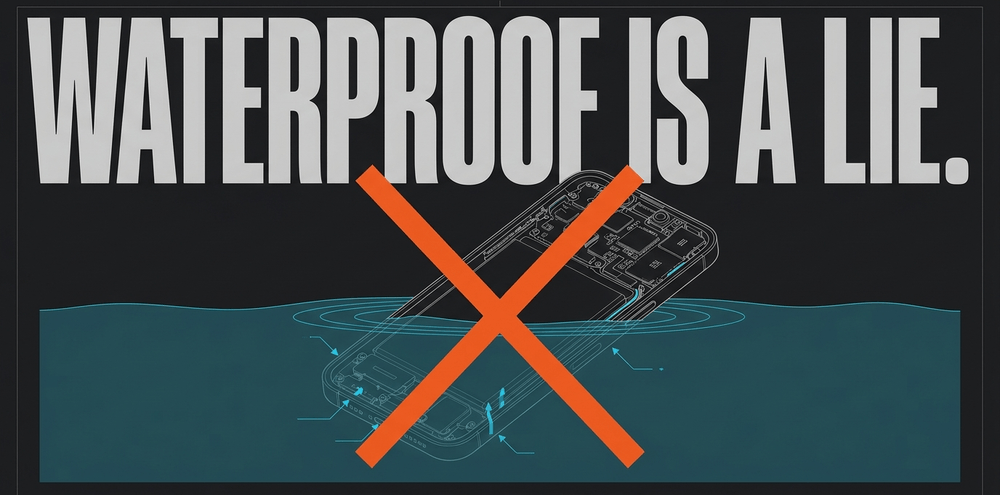
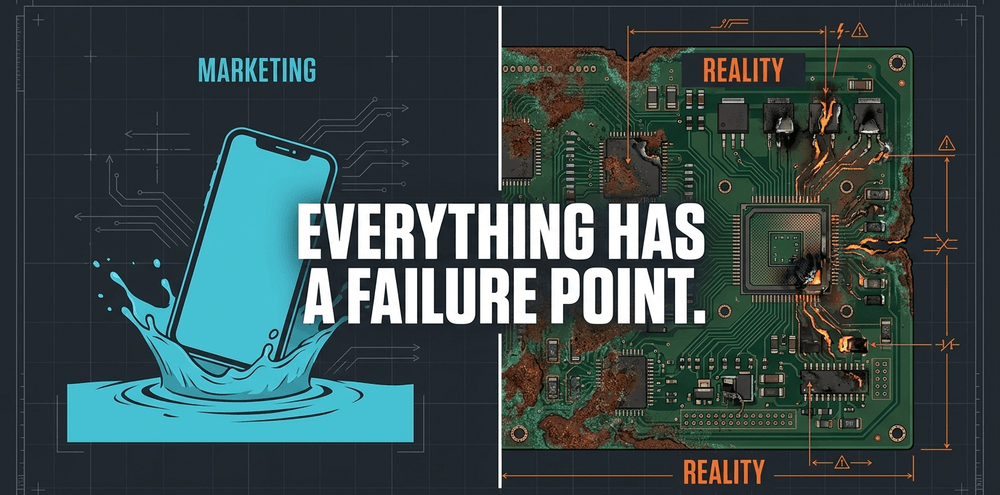
Walk into any electronics store and the word waterproof is thrown around with reckless abandon. It is a favorite of marketing departments because it suggests invulnerability. If you are an engineer or a heavy user who actually takes gear into the field, you know that waterproof is a lie. Nothing is truly waterproof in the sense of being forever impervious to liquid under any condition. Instead, everything has a failure point.
The International Electrotechnical Commission (IEC) understood this reality decades ago when it established the IEC 60529 standard - first published in 1976 and last consolidated in 2013. This system replaces vague adjectives with the Ingress Protection (IP) rating, a rigorous classification of exactly how much abuse a device can take before the internal circuitry turns into a corroded mess.
Understanding these codes is the difference between a functional device and a very expensive paperweight. When a manufacturer claims a phone is IP68 rated, they are not just making a suggestion; they are citing a specific set of laboratory conditions that the device survived. However, laboratory conditions rarely match the real world. A controlled dunk in a tank of still, fresh water is fundamentally different from a drop into a chlorinated pool or a salt-heavy ocean. To protect your investment, you need to look past the glossy brochures and understand the physics of ingress.
Breaking down the IP code structure
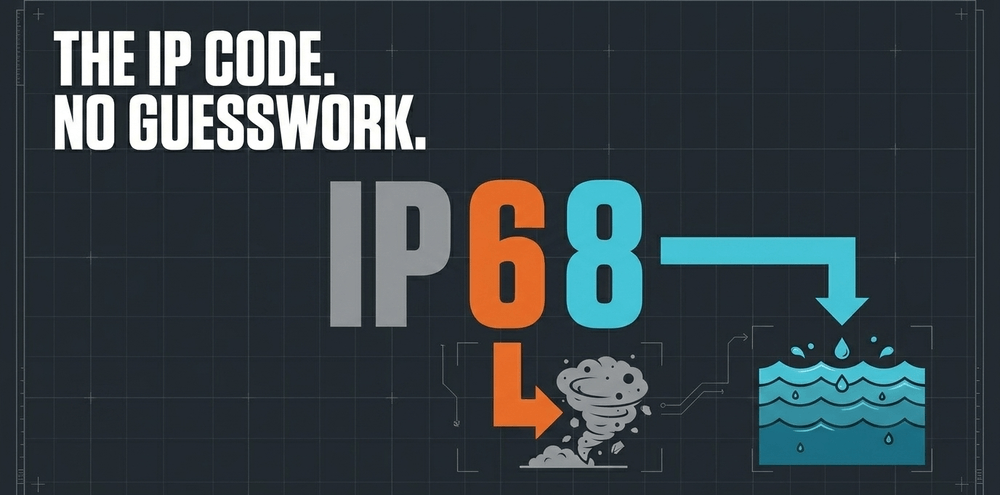
An IP rating is typically composed of two digits. If you see a rating like IP67, the first digit (6) refers to solids, and the second digit (7) refers to liquids. Sometimes you will see an 'X' in the mix, such as IPX8. This does not mean the device has zero protection against dust; it means the manufacturer did not officially test for it or did not provide the data. In the engineering world, we treat an 'X' as a zero to be safe, though in practice, most water-sealed devices are naturally decent at keeping out large dust particles.
The letters "IP" themselves stand for Ingress Protection - not "International Protection" as is sometimes misquoted. Worth knowing if you are ever in the position of correcting a sales rep.
The first digit: Solid particle protection
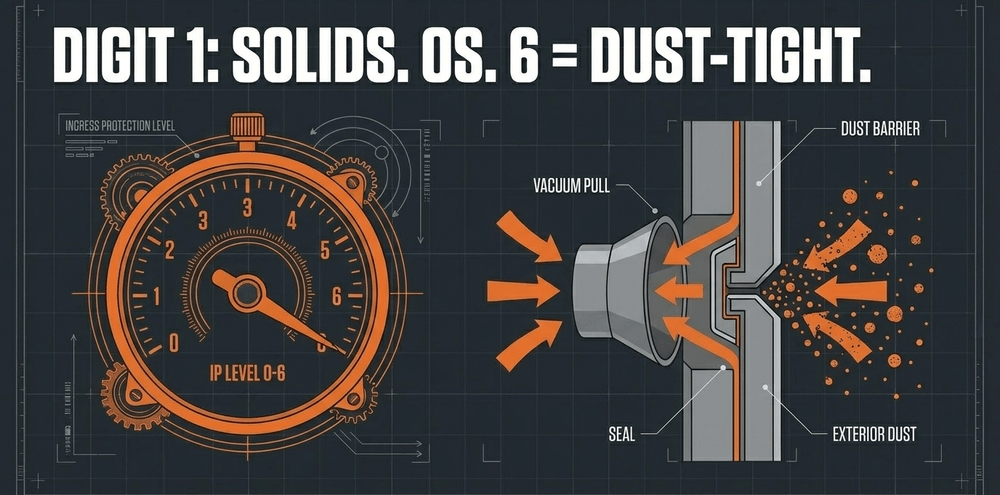
The first digit ranges from 0 to 6 and measures how well the enclosure prevents physical objects from reaching dangerous internal parts. This covers everything from your fingers to microscopic dust. For modern consumer electronics, you almost always want to see a 5 or a 6 here.
- 0: No protection. The guts are exposed.
- 1 to 4: These levels protect against objects ranging from 50mm (a hand) down to 1mm (a thin wire). These are common in industrial machinery but rare as a standalone selling point for gadgets.
- 5: Dust protected. Dust can get in, but not enough to break the machine. It is a 'good enough' rating for most outdoor gear.
- 6: Dust-tight. This is the gold standard. To earn this, a vacuum is applied to the device enclosure for up to 8 hours to try and suck dust into the seals. If it stays clean inside, it passes.
The second digit: Liquid ingress protection
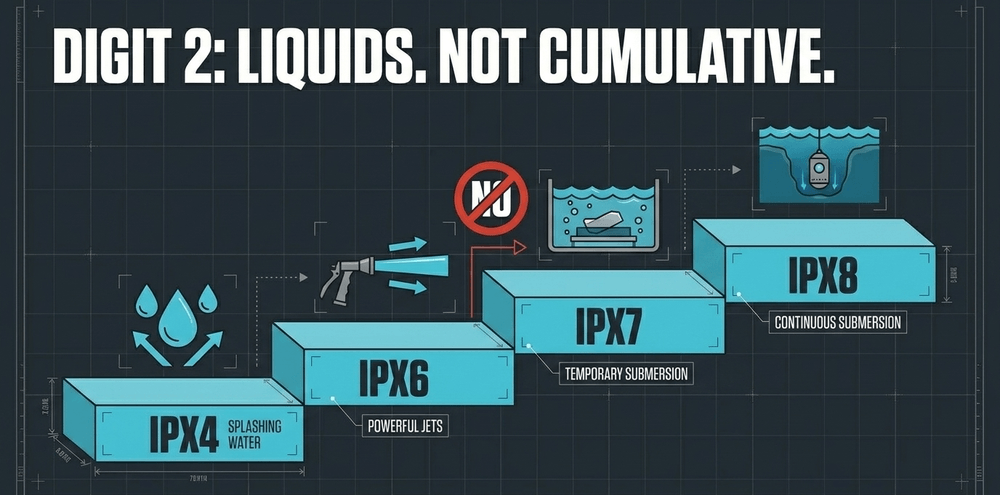
The second digit is where things get complicated and where most consumer confusion resides. This scale runs from 0 to 9, with a specialized 9K variant at the top end. A critical realization for any tech owner is that these ratings are not strictly cumulative. A device that can survive being submerged (IPX7) might actually fail if hit with a high-pressure jet of water (IPX5). This is because the seals required to resist the crushing pressure of deep water are different from the gaskets designed to deflect high-velocity streams.
- IPX1 to IPX4: These cover dripping, spraying, and splashing. If your earbuds are IPX4, they can handle sweat and a light rain shower, but do not think about dunking them.
- IPX5 and IPX6: These are for water jets. IPX6 is specifically for high-pressure jets, like those found on a ship deck. If you are cleaning your gear with a hose, you want IPX6.
- IPX7: This allows for temporary immersion. Specifically, it means the device survived being 1 meter deep for 30 minutes. Most modern flagship smartphones aim for this as a minimum baseline.
- IPX8: This is for continuous immersion. The manufacturer defines the depth, usually deeper than 1 meter. It is important to check the fine print, as one brand's IPX8 might mean 3 meters while another's is only 1.5 meters. They are both technically valid IPX8 ratings.
- IP69 / IP69K: This is the nuclear option. The original IP69K designation came from the German DIN 40050-9 standard, which was later absorbed into ISO 20653 for road vehicles. IEC 60529 formally added its own equivalent IP69 rating in a 2013 amendment. The two ratings are effectively identical in terms of test conditions: high-pressure jets at 80 to 100 bar and water temperatures of 80°C, delivered from multiple angles at 10 to 15 centimeters from the device. It is designed for food processing equipment that gets steam-cleaned or heavy construction vehicles. In everyday consumer tech it is rare, but it does appear on ruggedized 'tough' phones.
The reality of waterproof vs. water-resistant
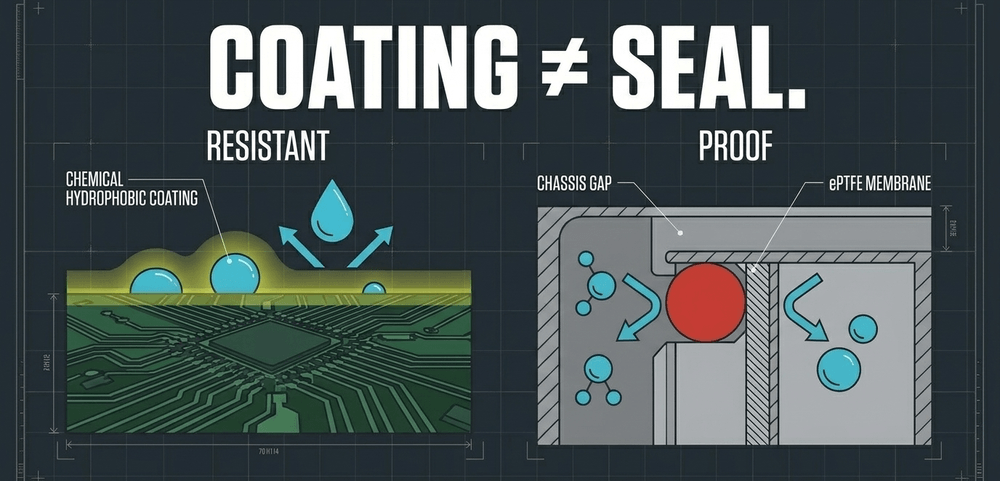
In the engineering lexicon, water-resistant is a temporary state of being. It means the material or the seals can repel water for a short time or at low pressure. Many laptops use a hydrophobic coating on the motherboard to achieve a level of water resistance. This coating causes water to bead up and roll off rather than shorting out a trace. It is a great safety net, but it is not a seal.
Waterproof, by contrast, implies a physical barrier. To make a device waterproof, engineers use O-rings, pressure-sensitive adhesives, and membranes like ePTFE (expanded polytetrafluoroethylene). You might recognize ePTFE from Gore-Tex - it is the same family of material. In electronics, microporous ePTFE membranes are used over speaker grilles and microphone ports specifically because they allow sound waves (which are pressure variations in air) to pass through while their microscopic structure repels liquid water molecules. The pores are large enough for gas molecules but too small for liquid droplets to penetrate under normal conditions.
However, even these barriers fail over time. Heat, chemicals, and physical drops can degrade the adhesives holding everything together. A phone that was IP68 the day it left the factory might only be IP64 after a year of being baked in a hot car and dropped on the sidewalk. The number on the box describes the device at its best. What you are holding after daily use is something else.
Why you should care about the fine print
Manufacturers often use IP ratings as a shield against warranty claims. If you read the terms of service for almost any IP68-rated smartphone, you will find that liquid damage is specifically excluded from the warranty. This seems contradictory, but it makes sense from a technical perspective. The IP rating proves the design is capable of resisting water, but it does not guarantee that your specific unit remained sealed after you used it.
Importantly, IP68 is a voluntary industry standard - not a legal certification. Manufacturers are not liable for water damage regardless of the rating. Warranty exclusions for liquid intrusion are enforceable in most jurisdictions. Pointing at the box and saying "but it says IP68!" will not save you at the repair counter.
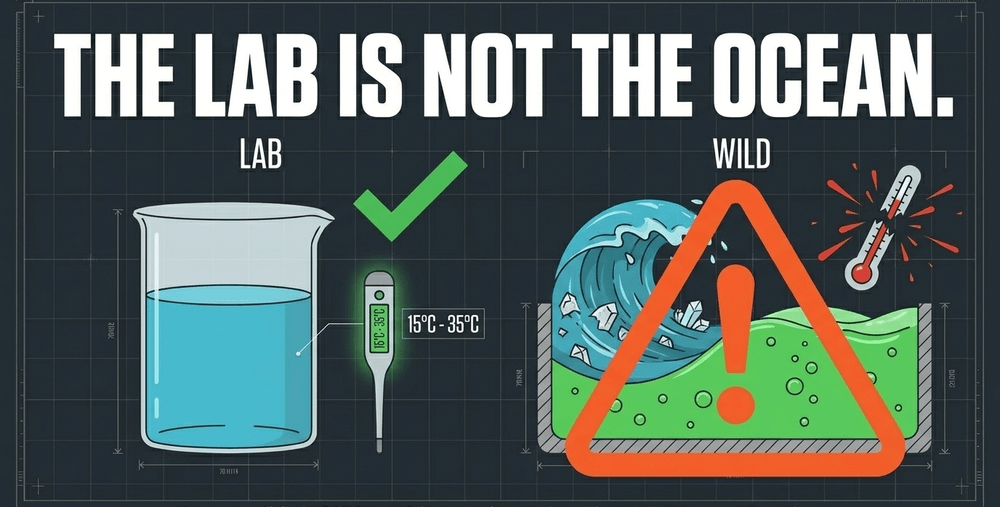
Furthermore, the tests are performed with fresh water at temperatures between 15 and 35 degrees Celsius. Salt water is a completely different beast. It is highly corrosive and conductive, and it attacks rubber gaskets through a different mechanism than pure water. If you take an IP68 phone into the ocean, the salt can crystallize in the charging port or eat through the rubber gaskets over repeated exposures. Pool water is another culprit - chlorine degrades silicone gaskets with repeated contact, even if a single dip does no immediate visible damage. If you ever expose a rated device to salt water or pool chemicals, you must rinse it immediately with fresh water and dry it thoroughly. Failing to do so is essentially inviting a slow-motion hardware failure.
IP ratings vs. ATM ratings - what swimmers need to know
If you wear a smartwatch or a traditional watch into water, you will often encounter ATM ratings alongside or instead of IP codes. ATM stands for atmospheres, a unit of pressure. One ATM roughly equals the pressure at sea level, and each additional 10 meters of depth adds approximately one ATM of pressure. So a 5 ATM rating describes a device tested against the equivalent static pressure of 50 meters of water depth.
The difference between IP and ATM matters enormously for swimming. An IP67 rating tells you the device survived 1 meter of static fresh water for 30 minutes. It says almost nothing about dynamic water pressure from arm strokes. An ATM rating, tested to ISO 22810, is a better guide for wearables used in the water. As a rule of thumb: 5 ATM (50m) is acceptable for surface swimming and light pool use; 10 ATM (100m) is the comfortable minimum for regular swimming and snorkeling; and 20 ATM (200m) is the territory of serious water sports and recreational diving.
Even then, those depth figures describe static lab pressure. Moving your arm through water at speed creates dynamic pressure spikes well above the static rating. It is why purpose-built dive watches exist as a separate category from general water-resistant watches, even if the numbers on paper look similar.
How to choose the right rating for your lifestyle
Selecting gear based on IP ratings requires an honest assessment of your environment. If you are an office worker who occasionally walks through rain, IPX4 is plenty. For hikers and outdoor enthusiasts, IP65 or IP66 is better because it handles the dust of the trail and the occasional downpour without complaint.
If you are a swimmer or someone who works near bodies of water, do not settle for anything less than IPX7 or IPX8 - and pair that with at least a 5 ATM rating on any wearable device. If you work in construction, food processing, or agriculture where equipment gets pressure-washed, you want IP65 or IP66 at minimum for jet resistance, and IP69K if high-temperature washdowns are routine.
The categories roughly break down like this:
- IPX4: Office workers, city commuters, light rain exposure
- IP65/IP66: Outdoor workers, cyclists, hikers, anyone near hoses or sprinklers
- IP67/IP68: Swimmers, paddlers, people who work near water
- IP68 + 10 ATM: Serious swimmers, snorkelers, water sports athletes
- IP69K: Industrial and food service environments
Maintenance and the longevity of seals
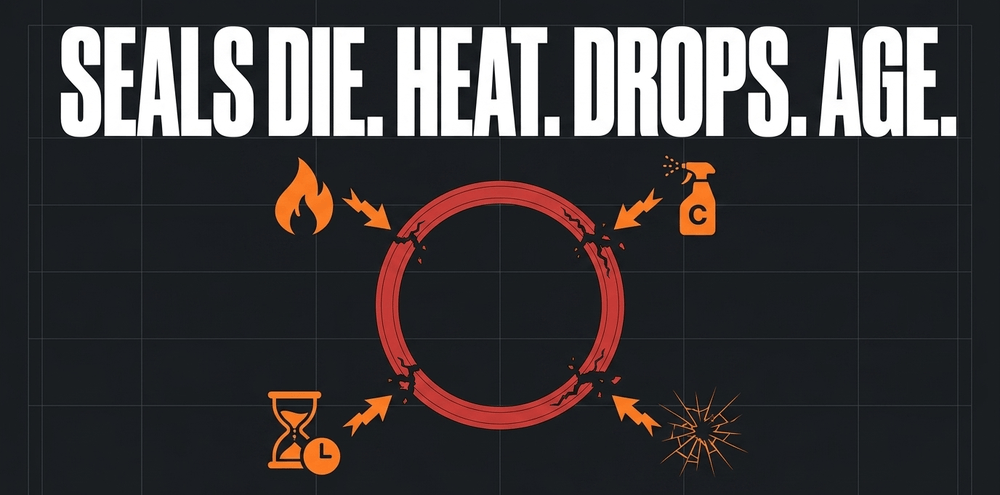
Ingress protection is not a 'set it and forget it' feature. As a veteran of many hardware teardowns, I have seen how quickly seals degrade. The primary enemies of your device's IP rating are:
- Heat: Frequent exposure to steam or high temperatures softens the adhesives holding the screen and back panel in place. Avoid taking your phone into a hot shower. The test conditions only go up to 35°C - your shower runs hotter than that.
- Chemicals: Sunscreen, perfume, and cleaning agents can cause rubber O-rings to swell or become brittle. Even soap from a sink can accelerate wear if it contacts the port gaskets regularly.
- Physical trauma: Even a small drop can create a micro-fissure in the frame or slightly displace a gasket. The device might look fine externally, but the seal is compromised.
- Aging: Adhesives naturally dry out over several years. If you are using a five-year-old 'waterproof' camera as if it still has its original rating, you are taking a risk. Treat aged devices as though they have no rating at all.
The seal around a physical SIM tray is often the weakest point in a device. It is a removable component, and every removal introduces the opportunity for misalignment or contamination from a single dust particle.
The future of ingress protection
We are seeing a move toward 'portless' designs as a logical step for achieving higher protection levels. Removing the charging port and the physical SIM tray eliminates the most common points of ingress failure. Apple's shift to eSIM-only models in the United States accelerated this trend, and other manufacturers have followed. While this frustrates users who prefer wired connections, a completely sealed chassis is simply better engineering for durability. Induction charging and eSIM technology make it possible.
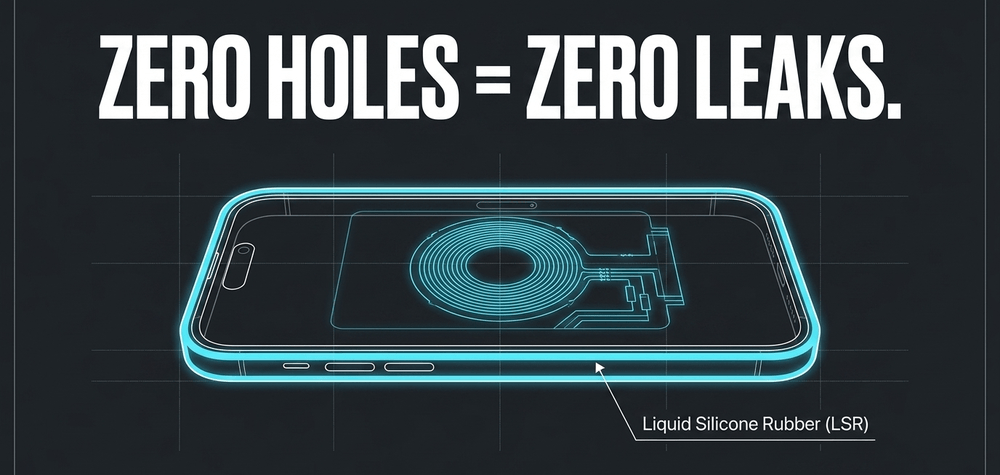
New materials are also changing the picture. Liquid silicone rubber (LSR) overmolding bonds the seal directly to the plastic or metal enclosure component, making it much harder for the gasket to shift or fail under pressure. We are also seeing advances in nano-coatings that provide a secondary layer of functional protection even if the primary seal fails. While these coatings do not change or improve the official IP rating of the device, they can be the difference between a recoverable and an unrecoverable water event.
Understanding the limitations of testing
The testing procedures for IP ratings are highly standardized to ensure fairness, but they are not exhaustive. The liquid ingress tests are conducted at a specific temperature range of 15 to 35 degrees Celsius, at a defined water salinity of zero, in still water. If you drop your phone into a freezing lake or a hot tub, the thermal shock can cause components to contract or expand at different rates, potentially opening a gap in the seals that would not exist during a standard test.
Dynamic pressure is the other gap. Every IP water test uses static immersion or controlled-flow jets. The real world involves waves, currents, fast-moving rivers, and the turbulence of an arm moving through water at swimming pace. These all create pressure spikes far above what the static test conditions simulate.
Professional-grade equipment, such as that used in diving or offshore operations, often undergoes much more stringent testing than the IEC 60529 baseline. For consumers, the IP rating should be viewed as a safety net - not a feature to be tested daily. It is there to save the device from a mistake, not to encourage you to use it as an underwater camera.
Practical steps for tech owners
To ensure your equipment survives its next encounter with the elements, follow these guidelines:
- Check the caps: If your device has port covers, ensure they are fully seated and the gaskets are free of hair or grit. A single grain of sand can ruin a seal.
- Dry before charging: Never plug a charger into a wet port. This can cause electrolysis, which destroys the gold pins on your connector in seconds. This applies even to devices with wireless charging - the port still exists as a potential ingress point.
- Use a case: A rugged case can absorb the impact energy that would otherwise stress the internal seals of your device. Impact-related seal failure is invisible and cumulative.
- Rinse after salt or chlorine exposure: Rinse the device under fresh running water and dry it thoroughly, inside any accessible ports, before use.
- Inspect periodically: If your device has rubber port covers, run your fingertip across the gasket every few months. Cracking, stiffness, or any visible deformation means it needs replacement before the next water exposure.
In the end, the IP rating system is a vital tool for transparency. It cuts through the 'waterproof' fluff and gives us hard numbers. But those numbers only describe the device at its best, on its first day, in a controlled lab with clean fresh water. Treat your tech with respect, understand the limits of its rating, and it will likely survive the occasional splash. Treat it like a submarine, and you will eventually be heading to the repair shop.
Share now









Key takeaways
- The IP (Ingress Protection) rating system is defined by the International Electrotechnical Commission (IEC) under standard IEC 60529, first published in 1976 and last consolidated in 2013.
- An IP code consists of two digits: the first (0-6) indicates solid particle protection, and the second (0-9) indicates liquid ingress protection.
- An 'X' in an IP code means the manufacturer did not test or submit data for that category - it is not a protection level.
- Water ingress ratings are not strictly cumulative: a device rated IPX7 (immersion) does not automatically pass IPX5 or IPX6 (jet resistance), because different seals handle different pressure types.
- IP67 means dust-tight and survives immersion to 1 meter for 30 minutes in fresh water. IP68 means continuous immersion beyond 1 meter - but the exact depth is set by the manufacturer, not the standard.
- IP69K originated from the German DIN 40050-9 standard (now absorbed into ISO 20653 for road vehicles). IEC 60529 added an equivalent IP69 rating in its 2013 amendment. Both require surviving 80-100 bar high-pressure jets at 80°C water temperature.
- IP tests use still, fresh water at 15-35°C. Salt water, chlorinated pool water, hot showers, and dynamic water pressure are all outside the scope of the standard.
- Liquid damage is excluded from most manufacturer warranties, even on IP68-rated devices. The rating certifies the design, not your specific unit after real-world use.
- ePTFE (expanded polytetrafluoroethylene) membranes are used over speaker and microphone ports in waterproof devices, allowing sound waves to pass while blocking liquid water molecules.
- For swimming, an ATM (atmospheres) rating is more relevant than an IP code. 5 ATM (50m equivalent) suits surface swimming; 10 ATM (100m equivalent) is the minimum for confident swimming and snorkeling.
Sources
- IEC https://www.iec.ch/ip-ratings
- Wikipedia - IP code https://en.wikipedia.org/wiki/IP_code
- Keystone Compliance - IEC 60529 Testing https://keystonecompliance.com/iec-60529/
- Castle Compliance - History of IP69K Nomenclature https://castle-compliance.com/history-of-ip69k-nomenclature/
- Wareable - IP and ATM ratings explained https://www.wareable.com/wearable-tech/smartwatch-ip-rating-atm-water-resistance-guide-explainer
- Published 2026-07-11 09:39
- Modified 2026-07-11 09:39
