


-
 Redaction
How stealth and tech define the modern helicopter
Modern attack helicopters prioritize stealth and sensor fusion. Advanced electronic warfare and drone teaming define the future of aerial combat.
The modern attack helicopter has undergone a fundamental transformation. No longer defined purely by firepower and armor, today's rotary-wing strike platforms integrate stealth engineering, electronic warfare, advanced sensors, and networked autonomy into a single, adaptive system. This is where those technologies stand in 2026 - and where they are headed next.
Rethinking survivability
Imagine sitting in a cockpit two thousand feet above a jagged ridgeline. The air is thin, the silence is heavy, and somewhere below, a radar array is searching for your signature. In the past, an attack helicopter was a noisy, metal beast that relied on brute force and armor to survive. The philosophy has shifted toward the ethereal. Survivability is no longer just about how much lead a fuselage can take; it is about never being seen in the first place.
The AH-64 Apache serves as the benchmark for this transition. Engineers have incorporated composite materials in the airframe, offering weight savings and improved structural performance compared to traditional aluminum structures. The airframe also benefits from radar-absorbent materials (RAM) and specialized coatings that help reduce its radar cross-section (RCS). Heat from the engines - the most glaring target for a heat-seeking missile - has been addressed through redesigned exhausts and infrared suppression systems that dramatically lower thermal output.
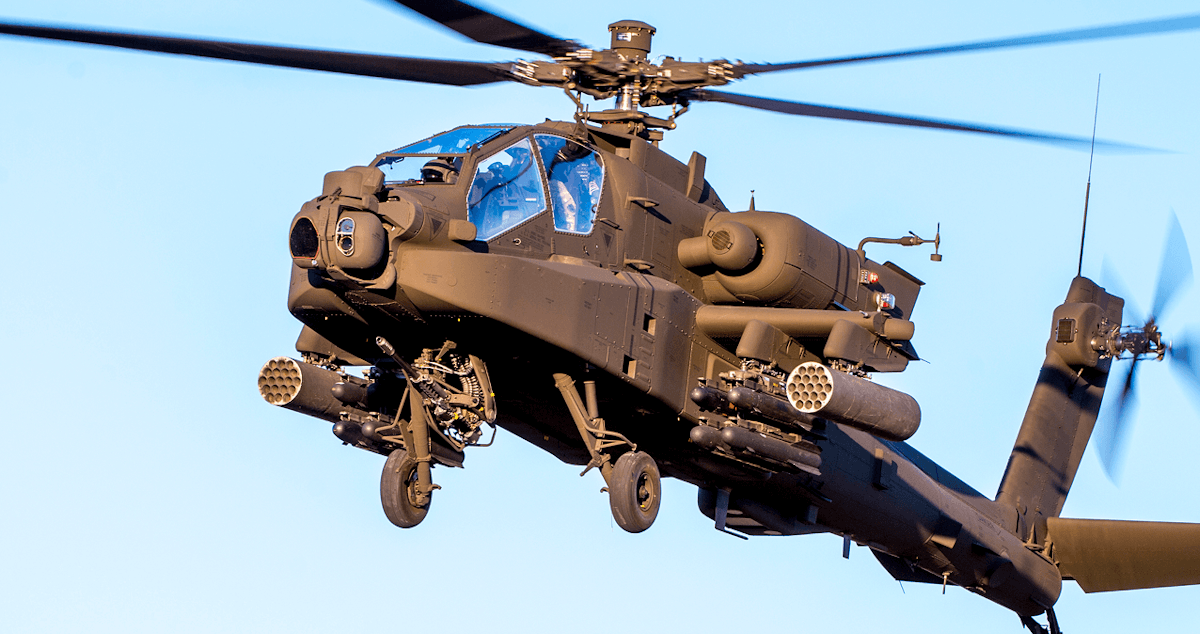
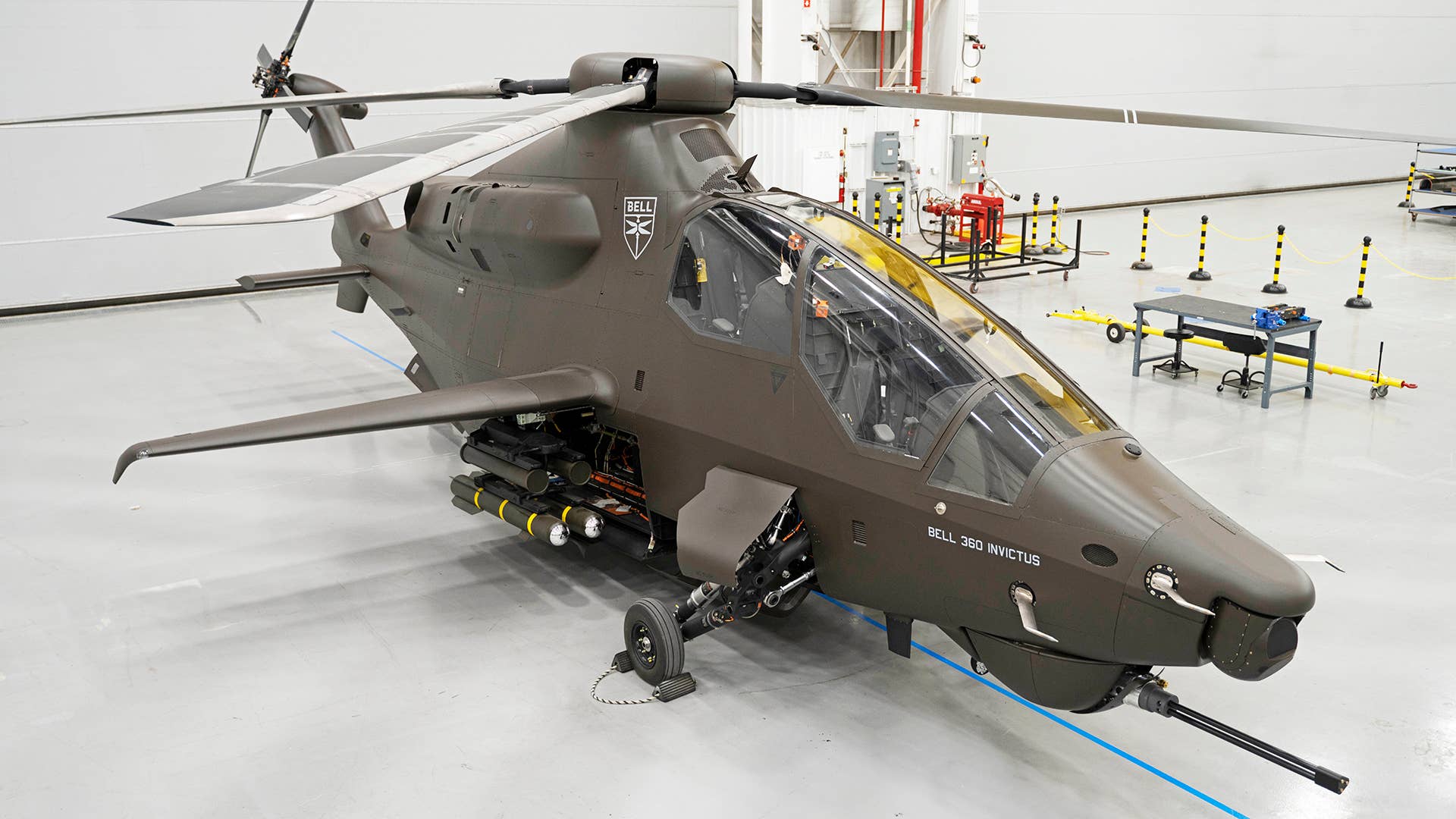
While the Apache continues to evolve its proven airframe, other designs have explored advanced aerodynamic shaping for further signature reduction. The Eurocopter Tiger, for example, uses composite airframes to minimize radar, infrared, and acoustic signatures across the threat spectrum. The Bell 360 Invictus, developed under the U.S. Army's Future Attack Reconnaissance Aircraft (FARA) program, pushed these principles further - featuring a smooth rounded fuselage, a single main rotor, and an internal weapons bay. The FARA program was ultimately canceled in 2024, shifting U.S. Army focus toward upgrades of existing platforms and an expanded role for unmanned systems.
Digital armor and the electronic shield
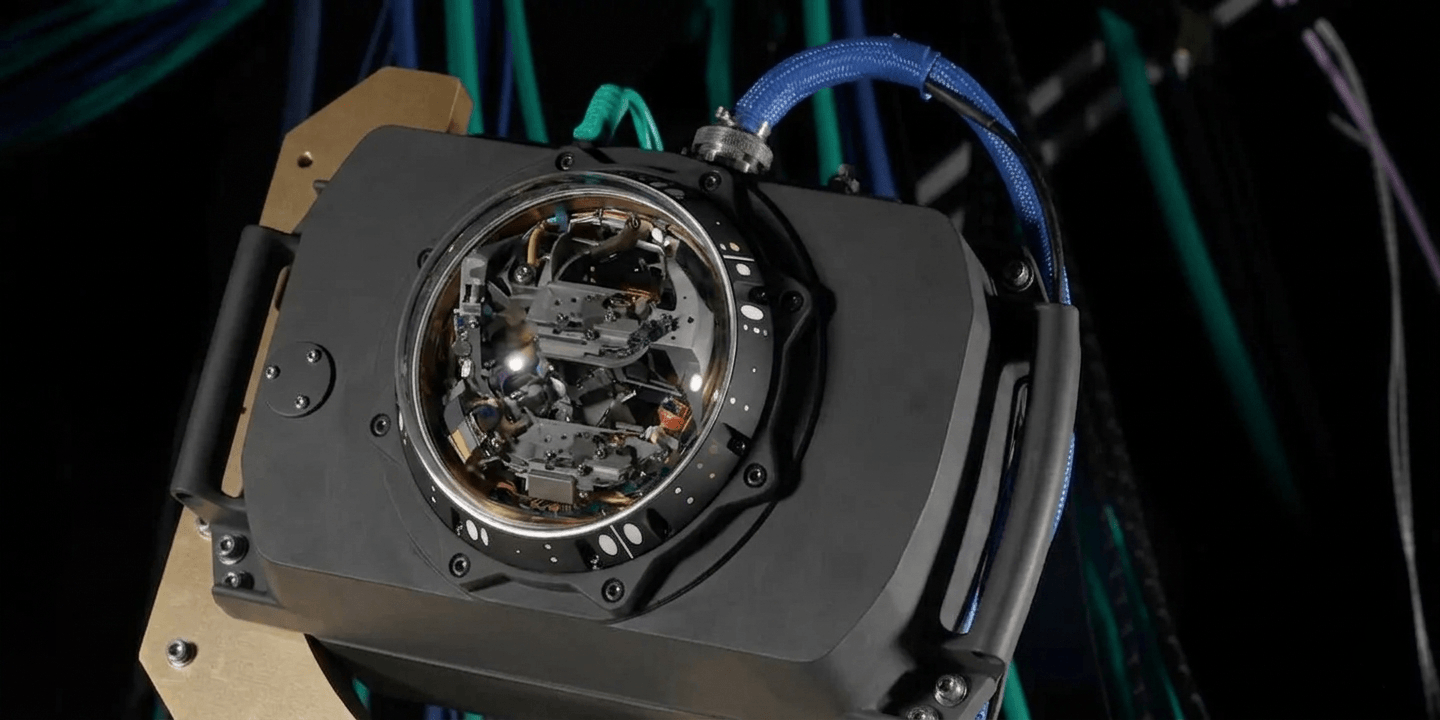
When stealth features alone are insufficient, modern attack helicopters rely on an invisible shield of electronic warfare (EW). The cockpit is no longer just a place to fly; it is a command center for a sophisticated Defensive Aids Suite (DAS). The latest Apache variants feature the Common Infrared Countermeasures (CIRCM) system - technology that detects incoming missiles and defeats them across the infrared spectrum using directed laser energy to confuse and destroy the seeker head before the missile reaches its target.
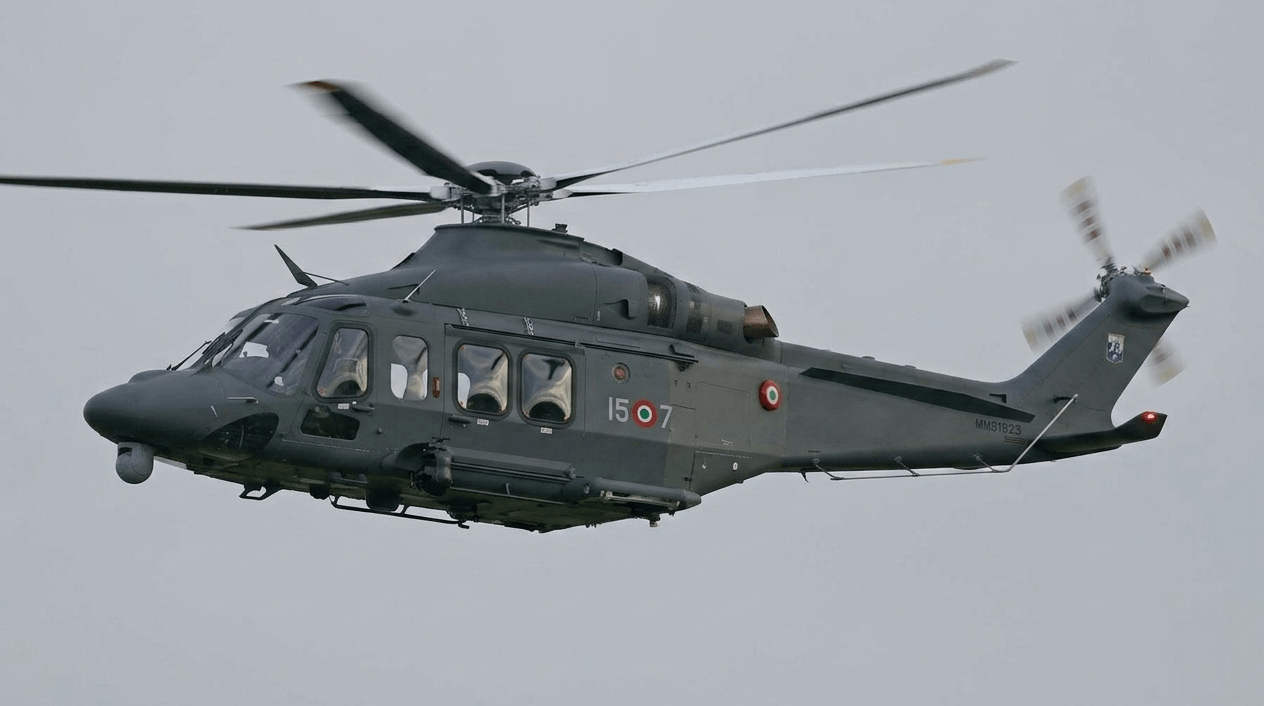
Protection is also physical and redundant. Military variants such as the AW139M incorporate self-sealing fuel tanks and crashworthy structures. In the Apache, the cockpit benefits from Kevlar and composite plating, while transparent armor is designed to withstand heavy-caliber rounds. Critical systems feature redundancy and electromagnetic pulse (EMP) hardening to maintain fighting capability after taking damage.
On the electronic front, advanced onboard jammers enhance the helicopter's ability to disrupt enemy communications and radar systems. This transforms the platform into both a kinetic strike asset and an electronic warfare node - one capable of degrading local air defense networks before ground forces move in.
Sensor fusion and the holographic cockpit
The pilot of 2026 does not look at a dial or a needle. They see the world through a digital weave of data. The tandem cockpit of the modern Apache features multi-function displays (MFDs) and advanced Head-Up Displays (HUDs). Augmented reality integration projects tactical information directly onto the pilot's helmet visor - threat vectors calculated in real time, enemy positions highlighted in the field of vision without the pilot ever having to look down.
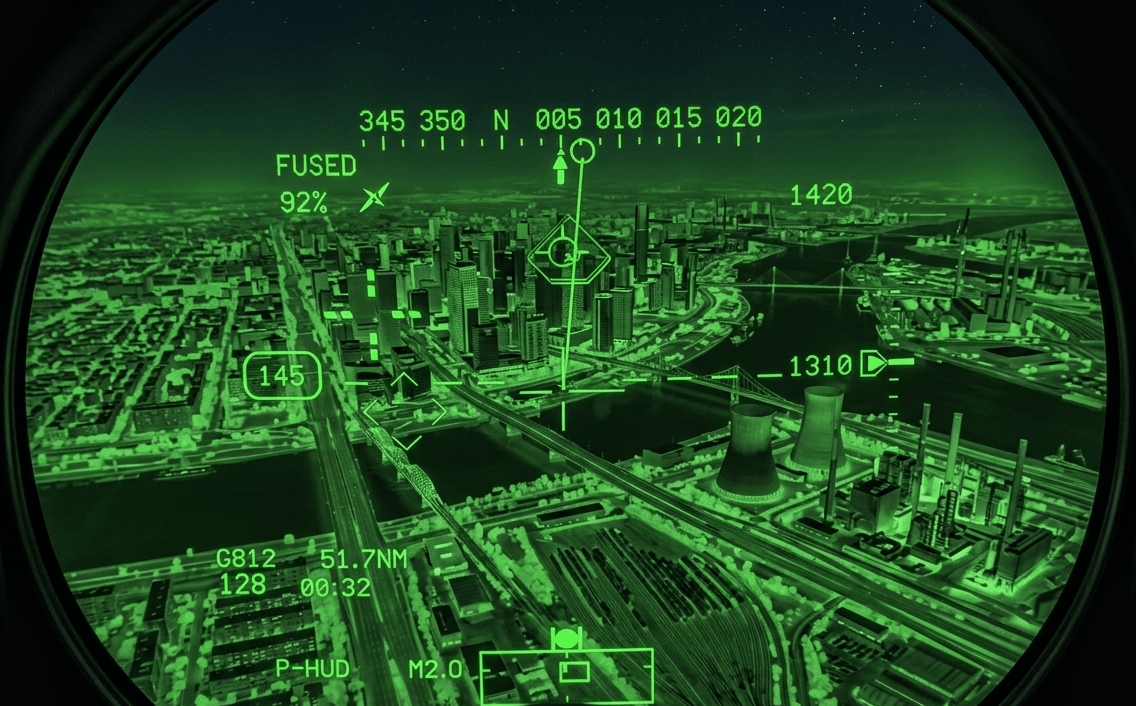
Targeting has advanced far beyond simple optics. The Longbow millimeter-wave radar tracks multiple targets simultaneously while the helicopter remains masked behind terrain. Integrated battlefield awareness systems identify and prioritize threats automatically, reducing cognitive load on the crew during high-intensity engagements where seconds matter.
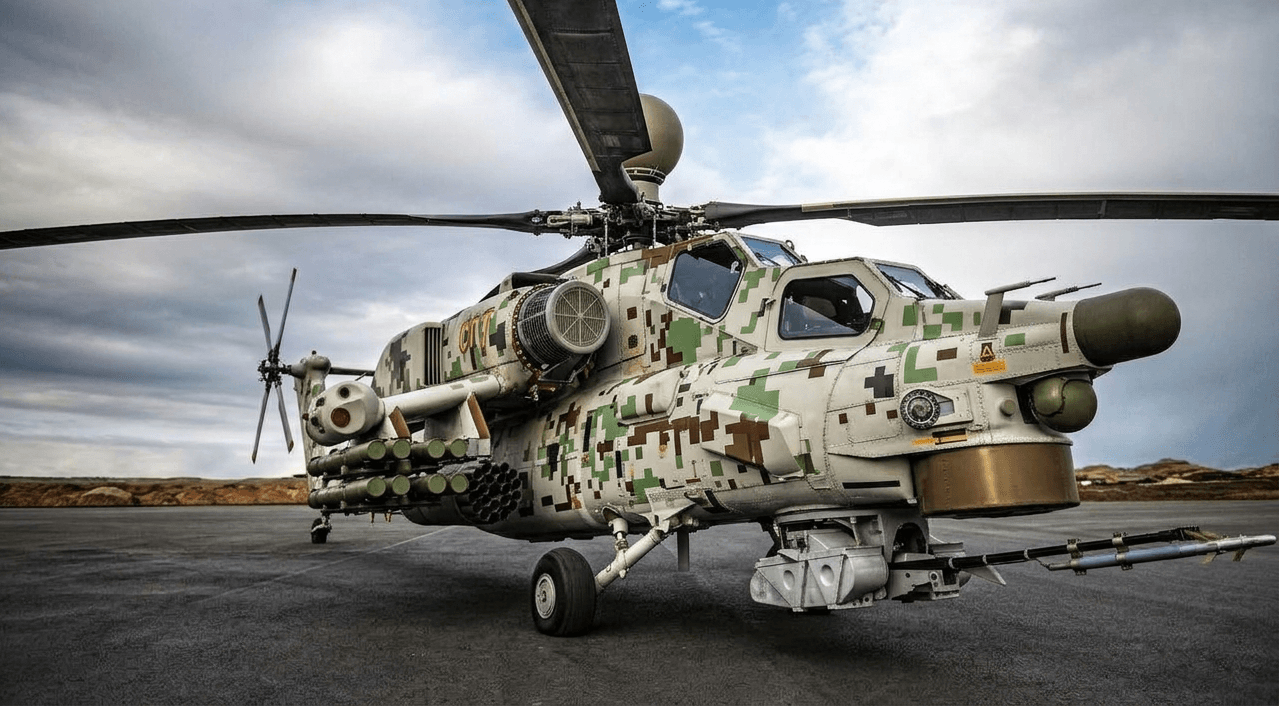
International competitors follow similar paths. Russia's Mi-28NM features a mast-mounted millimeter-wave radar for wide-area coverage, paired with high-resolution thermal imagers and laser designators for precision engagements in degraded visibility. The AW139M adopts a modular glass cockpit with large-format displays to maintain situational awareness across diverse mission profiles, from maritime patrol to direct attack.
The hive mind: Manned-Unmanned Teaming
Perhaps the most radical shift in rotary-wing doctrine is the transition from a solo hunter to a pack leader. Manned-Unmanned Teaming (MUM-T) has become central to offensive operations. The AH-64E Apache can receive sensor data from and direct the behavior of compatible unmanned aerial vehicles (UAVs), extending its effective sensor range and enabling safer standoff operations. Crews access real-time video feeds from drones operating beyond line-of-sight, while the helicopter itself remains protected behind terrain or cover.

This architecture allows the helicopter to operate from concealment while drones scout ahead, identify targets, or support engagements. The Mi-28NM networks with ground command centers and UAVs for coordinated, multi-axis missions. India's HAL Prachand is advancing toward greater networked integration, with plans for air-launched drones and loitering munitions - self-guided warheads capable of patrolling a target area and striking autonomously when conditions are met. Such strategies reduce risk to the crew while multiplying overall lethality. The helicopter is no longer solely a platform for its own weapons; it functions as a node in a wider kill chain.
Combat-proven: lessons from recent conflicts
The wars of the early 2020s - particularly the conflict in Ukraine - provided brutal real-world validation for the technology directions described here. Man-portable air defense systems (MANPADS) and low-cost first-person-view (FPV) drones proved highly effective against helicopters using traditional low-altitude attack profiles. Losses on both sides accelerated demand for longer standoff ranges, advanced electronic countermeasures, and MUM-T architectures that keep crewed aircraft well behind the forward edge.
The battlefield value of infrared suppression and directional EW jamming became undeniable. Platforms operating without advanced defensive aids suites paid a steep price. For manufacturers and procurement agencies, survivability through stealth and electronic protection has moved from a desirable feature to a non-negotiable operational requirement.
Lethality through modularity
The weapons of 2026 are as varied as the missions they support. The Apache can carry a mix of AGM-114 Hellfire anti-tank guided missiles, precision-guided munitions, and other stores - with payload configurations adapted to roles ranging from anti-armor operations to suppression of enemy air defenses (SEAD).
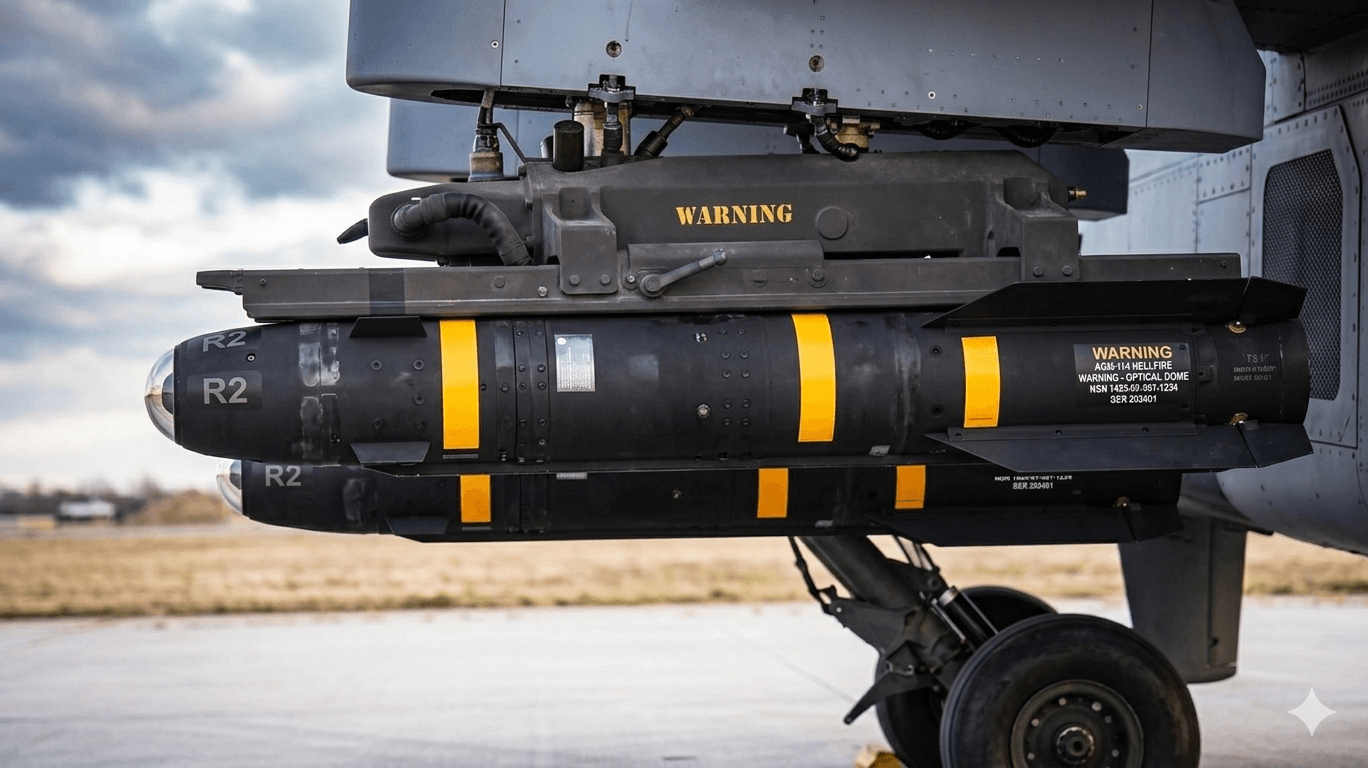
Innovation is also reshaping existing fleets without full replacement cycles. On April 15, 2026, Sikorsky unveiled new Armed Black Hawk kits, enabling rapid reconfiguration of a standard UH-60 utility helicopter into an armed platform - typically within a few hours. Equipped with weapons management systems, these configurations carry rockets, machine guns, and missiles, allowing smaller forces to field versatile firepower without dedicated attack aircraft. The setup supports seamless transitions between transport and attack roles as operational needs change.
In high-altitude environments, India's HAL Prachand stands apart. Designed for operations at altitudes above 5,000 meters, it is purpose-built for mountain warfare - terrain where conventional heavy attack helicopters face serious performance penalties. Its weapons suite, including a 20mm cannon and indigenous anti-tank guided missiles, provides specialized lethality in conditions that degrade most of its rivals.
Power, speed and the next generation
To sustain advanced sensors, expanded weapons loads, and higher operational tempos, engines have seen significant step-change improvements. The T901 engine family, selected for future Apache and Black Hawk upgrades, delivers approximately 50% more power and 25% better specific fuel consumption than the preceding T700 series. This translates directly into improved performance in hot-and-high conditions, greater payload capacity, extended range, and higher cruise speeds.
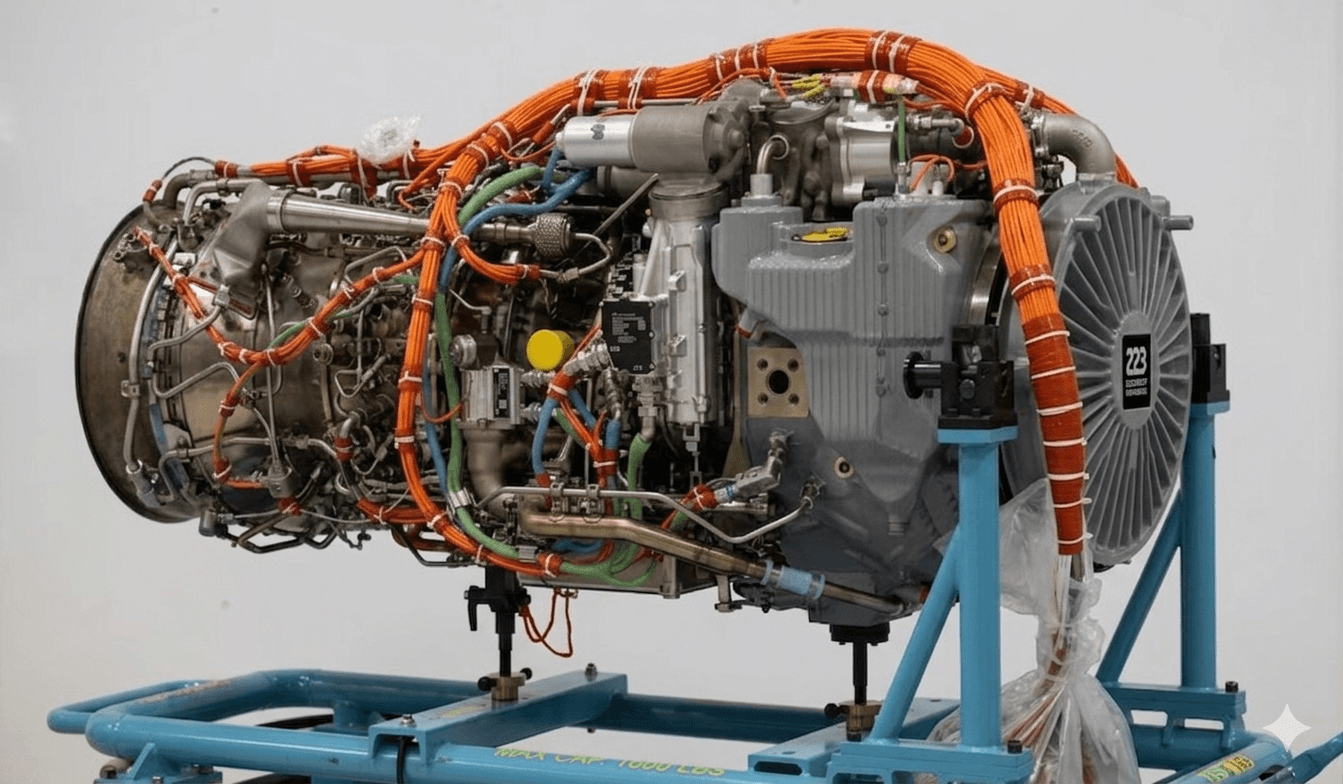
The Mi-28NM incorporates upgraded engines with Full Authority Digital Engine Control (FADEC) - optimizing fuel delivery and performance parameters automatically across the full flight envelope, contributing to its increased maximum speed.
Looking beyond the current decade, the NATO Next Generation Rotorcraft Capability (NGRC) program is shaping requirements for the post-2035 battlefield. Airbus Helicopters has proposed two concepts: a high-performance conventional design and a high-speed compound rotorcraft drawing on proven technologies from the Racer and X3 demonstrators - additional fixed wings and pusher propellers enabling cruise speeds far beyond what standard rotor configurations can achieve.
Both concepts are built around Modular Open System Architecture (MOSA) - an engineering approach designed to accommodate new sensors, weapons, and electronic systems through software and hardware upgrades rather than full platform redesigns. In an era when threat environments change faster than procurement cycles, adaptability has become as important as any single performance metric.

Frequently asked questions
What makes the AH-64 Apache the benchmark attack helicopter? The Apache combines a combat-tested airframe with continuous capability upgrades across survivability, sensors, weapons, and networking. Its AH-64E variant introduced MUM-T, advanced digital cockpit systems, and expanded weapons compatibility - keeping it operationally relevant more than four decades after its first flight. No comparable platform has seen the same depth of iterative development.
How does Manned-Unmanned Teaming (MUM-T) work in practice? The Apache crew receives real-time video and sensor feeds from compatible UAVs and can, in some configurations, direct their flight paths and sensor orientation. This allows the helicopter to remain masked in cover while drones operate forward - dramatically extending awareness without exposing the crewed aircraft to the direct threat envelope.
What is the CIRCM system and how does it work? The Common Infrared Countermeasures system detects an incoming infrared-guided missile automatically and fires a precisely directed laser to blind or confuse its seeker head, causing the missile to veer off target. It operates without crew input, covers a wide infrared spectrum, and is far more effective against modern seekers than traditional flare dispensers.
Which attack helicopter is best suited for high-altitude operations? India's HAL Prachand (LCH) is the most operationally specialized platform for high-altitude environments. It has been tested at airfields above 5,000 meters with meaningful payload, and its design - lighter airframe, specifically tuned engines - makes it uniquely capable in mountain warfare scenarios where most Western and Russian attack helicopters operate at a measurable disadvantage.
Share now









Key takeaways
- The AH-64 Apache uses composite materials and radar-absorbent coatings to reduce its radar cross-section and overall weight compared to traditional aluminum airframes.
- The Common Infrared Countermeasures (CIRCM) system uses directed laser energy to defeat incoming infrared-guided missiles autonomously, operating across a wide infrared spectrum on platforms including the Apache.
- Manned-Unmanned Teaming (MUM-T) on the AH-64E enables integration with compatible UAVs, extending the helicopter's sensor reach and allowing reconnaissance and targeting beyond line-of-sight while the crew remains in cover.
- The T901 engine delivers approximately 50% more power and 25% better specific fuel consumption than the T700 it replaces, improving hot-and-high performance, payload capacity, and endurance for Apache and Black Hawk variants.
- India's HAL Prachand (LCH) is optimized for high-altitude operations, capable of taking off and operating effectively above 5,000 meters with useful payload - the most capable platform in service for mountain warfare environments.
- Sikorsky's Armed Black Hawk conversion kits, unveiled on April 15, 2026, allow a standard UH-60 utility helicopter to be reconfigured into an armed attack platform carrying rockets, machine guns, and missiles - typically within a few hours.
- Airbus Helicopters has proposed two NATO Next Generation Rotorcraft Capability (NGRC) concepts: a conventional high-performance design and a high-speed compound rotorcraft built on technologies from the Racer and X3 demonstrators, both emphasizing Modular Open System Architecture (MOSA).
- The Mi-28NM features a mast-mounted millimeter-wave radar, upgraded thermal imagers, laser designators, and FADEC-equipped engines - delivering improved speed, targeting precision, and situational awareness over earlier variants.
- Combat experience from Ukraine and other recent conflicts has accelerated demand for longer standoff ranges, advanced electronic countermeasures, and MUM-T architectures after MANPADS and FPV drones proved highly effective against helicopters using conventional attack profiles.
- Modular Open System Architecture (MOSA) is now central to next-generation rotorcraft planning, allowing new sensors and weapons to be integrated through incremental upgrades rather than full platform redesigns.
Sources
- Boeing / U.S. Army - AH-64 Apache transformation and future capabilities https://www.boeing.com/features/2025/05/transforming-the-ah-64-apache-for-the-future
- GE Aerospace - T901 engine specifications and performance data https://www.geaerospace.com/military-defense/engines/t901
- Wikipedia - HAL Prachand high-altitude capabilities and specifications https://en.wikipedia.org/wiki/HAL_Prachand
- Lockheed Martin / Sikorsky - Armed Black Hawk kit announcement, April 2026 https://news.lockheedmartin.com/2026-04-15-Sikorsky-Offers-New-Armed-BLACK-HAWK-R-Helicopter-Kits-to-Deliver-Additional-Mission-Capabilities
- Airbus Helicopters - Next Generation Rotorcraft Capability (NGRC) concepts for NATO https://www.airbus.com/en/newsroom/press-releases/2026-02-airbus-unveils-next-generation-rotorcraft-concepts-for-nato-studies
- Northrop Grumman - CIRCM Common Infrared Countermeasures system overview https://www.northropgrumman.com/what-we-do/mission-solutions/electro-optical-and-infrared-sensors-eo-ir/circm-common-infrared-countermeasures
- Wikipedia - Boeing AH-64E Apache, MUM-T capabilities and variant history https://en.wikipedia.org/wiki/Boeing_AH-64_Apache
- Published 2026-04-26 21:17
- Modified 2026-05-22 13:51

-
Redaction