-
133
Views
-
1
Comments
-
1
Like
-
Bookmark

-
 PRO
PRO -
 Redaction
Steel skin and digital souls: The modern main tank
Modern tanks now utilize modular digital architecture and hybrid engines to survive the drone age. Future fleets prioritize repair and adaptability
The air inside a modern main battle tank is thick with the hum of processors and the smell of hydraulic fluid. For decades, the tank was a static beast, a heavy iron box designed to withstand a specific threat until it was inevitably retired. That era has ended. Today, the lifecycle of these steel titans is being rewritten by a philosophy of perpetual evolution. Engineering for multi-decade service is no longer about making thicker steel; it is about building a digital architecture that can survive an era of loitering munitions and rapid technological decay.
The architecture of endurance
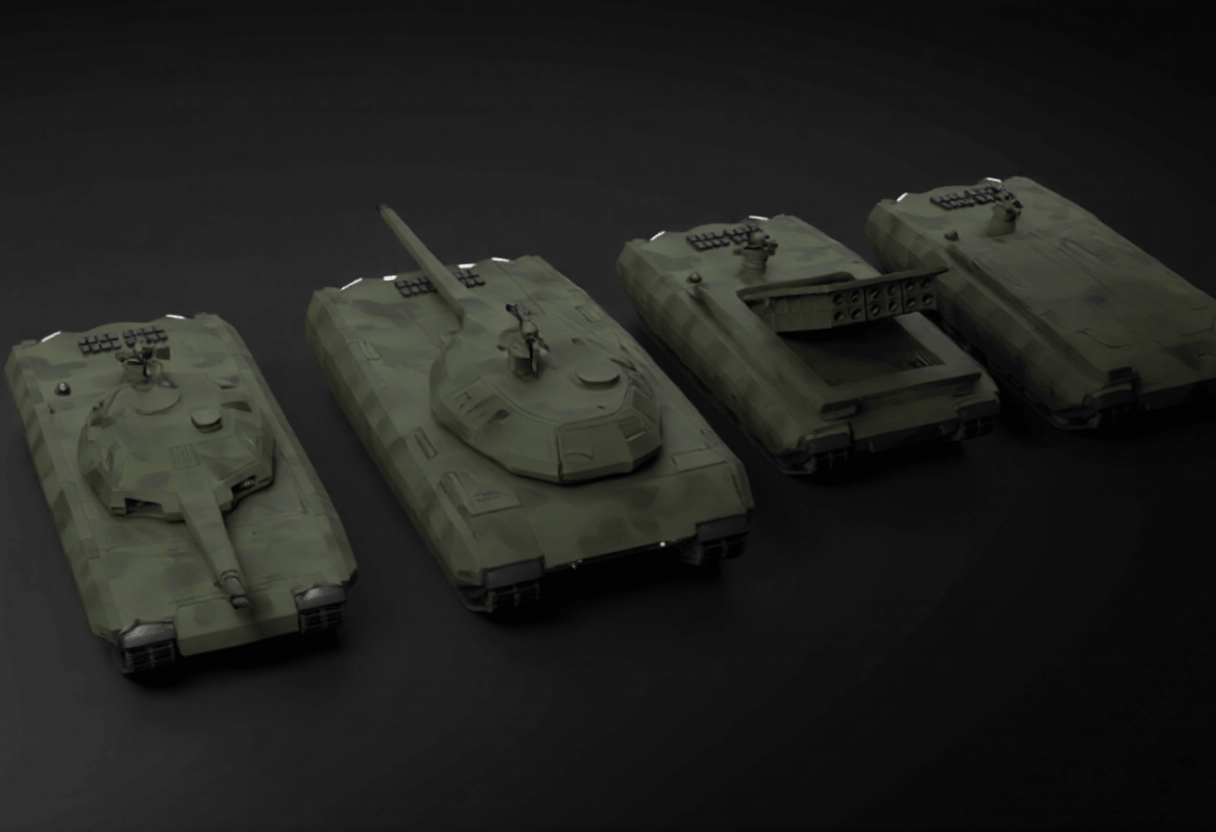
Modern combat environments are volatile. A tank designed today must remain lethal in 2050. To achieve this, engineers are moving toward modular design and open architecture. This approach treats the tank as a chassis for interchangeable components rather than a fixed platform.
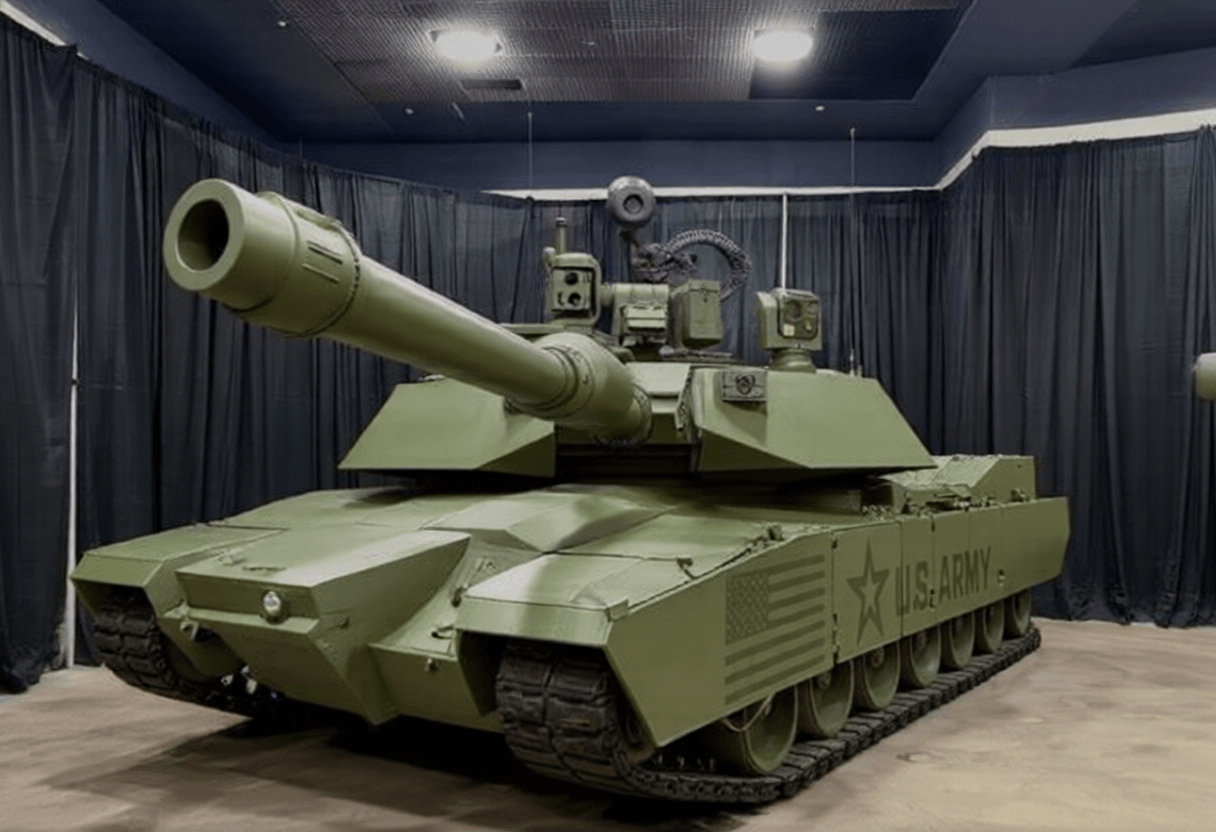
According to the US Army, the M1E3 Abrams program is the flagship for this strategy. Instead of a single prime contractor, a 'team of teams' procurement model involving over 10 companies is at work. This allows components like Caterpillar engines and American Rheinmetall lightweight tracks to be developed concurrently. By summer 2026, the Army plans to begin testing prototypes, a move accelerated by five years to allow soldiers to test hardware as it emerges. Similarly, the M2 Light Tank Black edition utilizes modularity to ensure that future sensors or weapons can be integrated without cutting into the structural hull.
The tank is now public. Comments and observations to follow. pic.twitter.com/lSns8CP17b
- The Chieftain (@Chieftain_armor) January 14, 2026
Survivability in the drone age
The battlefield is now saturated with FPV drones and loitering munitions, forcing a radical rethink of protection. Engineering for longevity means anticipating these asymmetric threats. The Leopard 2A8 has set a new standard as the first mass-produced European tank to integrate the Trophy active protection system (APS) as a standard feature. This hard-kill system intercepts incoming projectiles before they touch the hull.
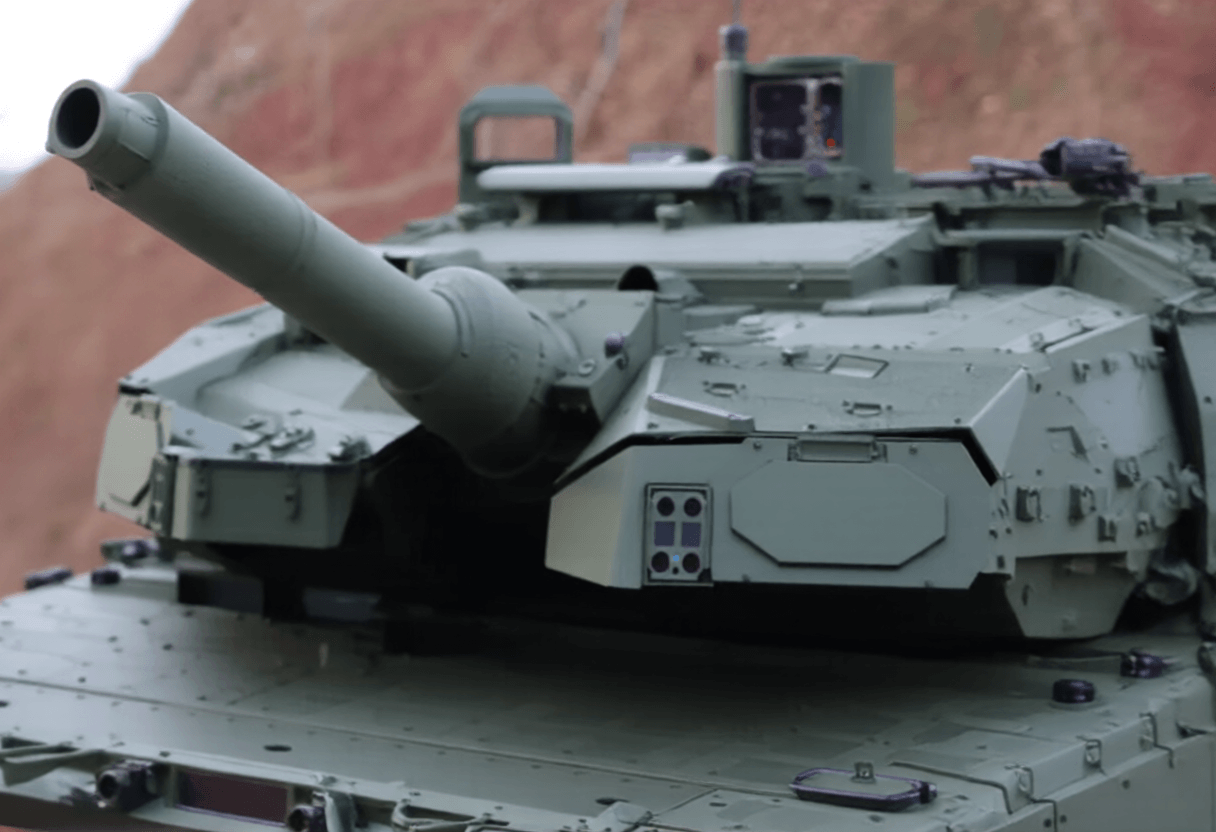
Data from recent conflicts indicates that top-attack threats are the new reality. Consequently, the AbramsX and other next-generation designs are incorporating enhanced modular passive and reactive armor. These systems are not just about stopping a shell; they are about being replaceable. When a section of armor is hit, soldiers can swap out the damaged module in the field, keeping the platform in the fight for years rather than sending it to a scrapyard.
The hybrid shift
Logistics often kill tanks faster than enemy fire. The fuel-hungry turbine engines of the past are being phased out for hybrid electric diesel systems. The AbramsX prototype features a hybrid configuration, utilizing a modified Caterpillar C13D six-cylinder engine paired with an ACT1075LP transmission from SAPA Transmission. These systems provide more than just fuel efficiency; they offer a 'silent watch' capability, allowing the tank to operate its advanced electronics without the thermal and acoustic signature of a running engine.
Digital integration and the network
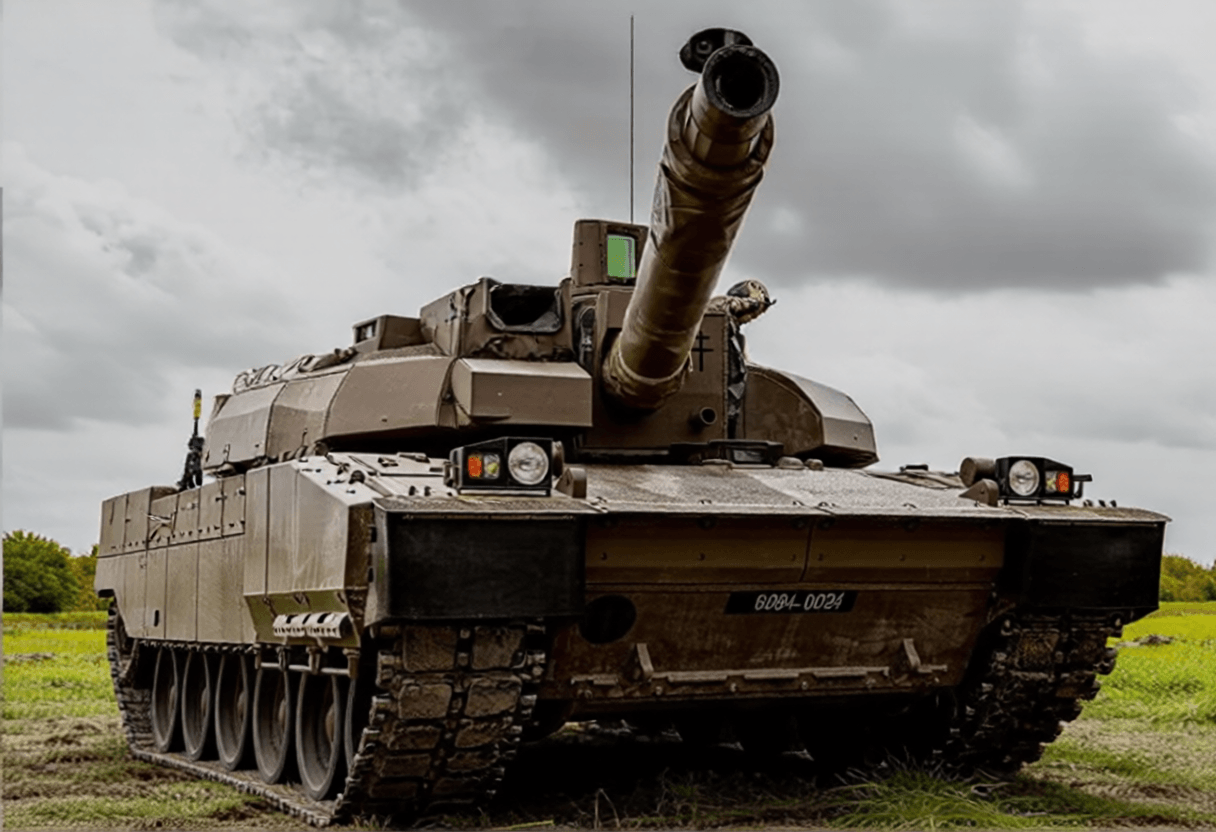
A tank is no longer an island. It is a node in a vast network. The Leclerc XLR upgrade for the French Army demonstrates this shift through the SCORPION Information and Command System. This allows real-time data sharing between vehicles, turning the tank into a sensor platform that feeds information to the entire brigade. Sensor fusion and AI-driven targeting are becoming standard, ensuring that even as the hardware ages, the software remains at the cutting edge of kinetic warfare.
The struggle for maintenance and repair
As tanks become more complex, maintaining them becomes a geopolitical hurdle. The 'right to repair' has moved from the consumer world into the war room. In March 2026, US Army officials confirmed they are pushing for legislation to regain basic repair capabilities. For years, defense contractors have restricted access to technical schematics and diagnostic tools. This has created a bottleneck where soldiers cannot fix their own equipment in a conflict zone. While lobbying from industry players removed these provisions from the Fiscal Year 2026 National Defense Authorization Act, the military's demand for data transparency remains a critical factor in the long-term viability of modern fleets.
European collaboration and future hurdles
Across the Atlantic, the quest for a multi-decade tank is a multinational effort. The 'Technologies for Existing and Future Main Battle Tanks' (FMBTech) program, coordinated by Thales, involves 26 organizations across the EU. With a budget of 19 million euros, the goal is to standardize modular subsystems. Additionally, the European Defense Fund is aiming for a future tank demonstrator by 2026 with a budget of 125 million euros.
However, these grand ambitions face friction. The French-German Main Combat Ground System (MGCS), intended to replace the Leclerc, is roughly a decade behind schedule. This delay, caused in part by Germany's focus on the Leopard 3, has forced France to seek intermediary solutions.
Lethality and automation
Looking forward, the physical profile of the tank is shrinking while its teeth grow larger. Future designs are moving toward unmanned turrets and reduced crew sizes. The Leopard 2 ARC 3.0 and the AbramsX both explore a three-person crew, utilizing autoloaders to replace the human loader. This reduction in internal volume allows for heavier armor and larger guns. KNDS is already showcasing the 140mm ASCALON gun, a massive leap from the standard 120mm caliber. These weapons are designed to be retrofittable, ensuring that as enemy armor improves, the tank's primary armament can be swapped to keep pace without discarding the entire vehicle. The modern tank is no longer a static piece of hardware, but a living system, designed to evolve as quickly as the threats it faces.
Share now








Key takeaways
- The US Army's M1E3 Abrams program is accelerating prototype testing to summer 2026, five years ahead of schedule.
- Modular designs are replacing monolithic structures to allow 'plug-in' upgrades for sensors and weaponry.
- Hybrid electric diesel engines are being integrated into designs like the AbramsX to enhance fuel efficiency and range.
- European collaboration through the FMBTech program involves 26 organizations across 14 nations to standardize tank subsystems.
- The 'right to repair' movement is gaining traction in the US Army to regain access to technical data for field maintenance.

