

-
 Redaction
Gut bacteria: The key to stress and immunity
Gut bacteria influence stress, cancer recovery, and melanoma risk. Recent studies reveal how microbial diversity regulates the human immune system.
The relationship between the gut microbiota and the immune system is one of the most rapidly evolving fields in modern health research. From how stress hormones behave to how well cancer treatments work, the trillions of microorganisms living in your digestive tract appear to have a hand in nearly every major physiological process. Here is what the latest science tells us - and why it matters for everyday health decisions.
How gut bacteria influence your stress response
New research from the University of Vienna, published in Neurobiology of Stress, found that gut bacterial diversity and metabolite production are directly tied to how the body reacts to acute stress in healthy adults. Counterintuitively, higher microbial alpha diversity - generally considered a marker of a healthier gut - was associated with higher cortisol and subjective stress reactivity following an acute stress event.
The picture becomes even more nuanced when you look at specific short-chain fatty acids (SCFAs), metabolites produced when gut bacteria ferment dietary fiber:
- An increased estimated capacity for butyrate production correlated with higher stress reactivity in some analyses.
- A higher capacity for propionate production correlated with lower stress reactivity.
Both butyrate and propionate participate in metabolic and immune processes that can influence brain function via the gut-brain axis. This does not mean a diverse microbiome is bad for you - the relationship between SCFAs, stress, and the microbiome is complex and context-dependent. What it does confirm is that gut bacteria are active participants in the body's physiological and psychological stress response, not merely passive bystanders.
Sleep deprivation, gut microbiota, and cancer outcomes
Researchers at the UF Health Cancer Institute presented striking findings at the American Association for Cancer Research Annual Meeting 2026: chronic sleep deprivation alters the immune system through the gut microbiota, and those alterations can actively accelerate colorectal cancer progression.
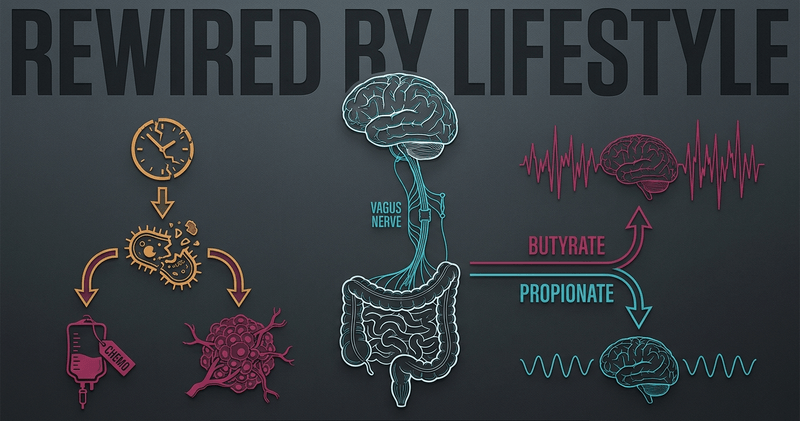
Specifically, the microbiota-mediated immune changes caused by ongoing sleep loss were shown to:
- Promote the progression of colorectal cancer
- Disrupt circadian rhythm regulation
- Reduce the effectiveness of chemotherapy
This is particularly significant for oncology patients, who already face sleep disturbances as a common side effect of treatment. The finding opens a new avenue for intervention: targeting the gut microbiome could become a strategy to improve cancer treatment outcomes in sleep-deprived patients.
Sex hormones reshape the gut-immune relationship
A preprint posted to bioRxiv reveals a striking example of sexual dimorphism in how the gut microbiome interacts with the immune system. In women not using oral contraceptives, a specific network of gut bacteria acts as a kind of homeostatic anchor - keeping inflammatory signals in check.
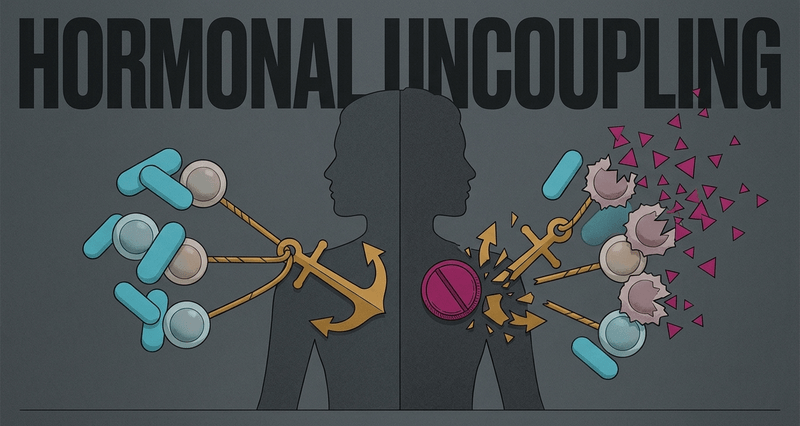
Three key bacterial species were identified in this regulatory role:
- Bacteroides ovatus
- Faecalitalea cylindroides
- Firmicutes bacterium CAG:83
These taxa showed a negative correlation with pro-inflammatory cytokines TNF-α and IL-1β, suggesting they actively suppress low-grade inflammation. However, in women using oral contraceptives, this entire regulatory network was nearly abolished. The synthetic hormones in contraceptives appear to uncouple the microbiome from the host's immune sentinels.
Notably, the bacterium Butyricimonas virosa showed reversed cytokine associations depending on hormonal context - demonstrating just how plastic and hormone-sensitive microbial immunomodulation can be. These findings have broad implications for understanding autoimmune risk and inflammatory conditions in women, and they highlight a major gap in microbiome research that has historically underrepresented female biology.
Predicting melanoma recurrence from the gut microbiome
In one of the most clinically impactful findings of recent years, researchers at NYU Langone Health published a study in Cell demonstrating that the composition of gut bacteria can predict melanoma recurrence after surgery and immunotherapy with up to 94% accuracy.
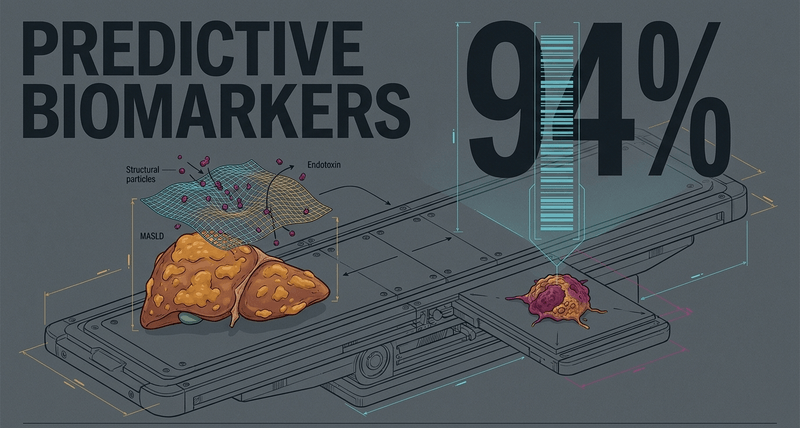
The study, drawn from a global clinical trial involving 674 patients, identified four key bacterial groups most associated with changes in recurrence risk:
- Eubacterium
- Ruminococcus
- Firmicutes
- Clostridium
Crucially, the gut microbiome remained stable throughout a year-long course of immunotherapy. This means a single pretreatment microbiome test could potentially serve as a reliable, long-range forecast of whether melanoma is likely to return - enabling far more personalized treatment planning than is currently possible.
Fatty liver disease and vulnerability to foodborne infections
A study led by the University of California, Irvine and published in Gut Microbes identified the biological mechanism behind a long-observed clinical pattern: people with metabolic dysfunction-associated steatotic liver disease (MASLD) - commonly known as fatty liver disease - tend to fare significantly worse when they contract certain foodborne infections.
Using a mouse model, the researchers showed that MASLD disrupts the gut in a cascade of damaging ways:
- It increases intestinal permeability (sometimes called "leaky gut"), allowing harmful bacteria and inflammatory signals to escape the gut
- It triggers altered immune responses that fail to contain infection effectively
- It induces gut dysbiosis - a microbial imbalance that further weakens the gut barrier
The result is that bacterial endotoxins and inflammatory signals travel more freely along the gut-liver axis, worsening liver injury markers and driving systemic inflammation. This research points toward microbiome-targeted therapies as a potential protective strategy for MASLD patients facing infection risk.

The core mechanisms: how gut microbiota shapes immune function
Understanding the individual studies above requires some grounding in the underlying biology. The gut microbiota influences systemic inflammation and immune cell regulation through several overlapping mechanisms:
Barrier integrity and LPS translocation. Gut dysbiosis can downregulate tight junction proteins in the intestinal lining, increasing permeability. This lets lipopolysaccharide (LPS) - a component of bacterial cell walls - leak into the bloodstream. Once there, LPS activates TLR4/NF-κB signaling in immune cells, triggering a flood of pro-inflammatory cytokines that can drive vascular dysfunction and contribute to chronic inflammatory conditions.
SCFA-driven immune regulation. Short-chain fatty acids, particularly butyrate, can induce the differentiation of T-regulatory cells (Tregs), promoting anti-inflammatory states. Propionate plays a similarly important role in metabolic signaling. The overall effect of SCFAs on immunity is profound, though highly context-dependent as the stress research above illustrates.
Direct bacterial effector proteins. Some gut bacteria can inject proteins directly into human cells, influencing immune and metabolic pathways. This mechanism may be a key driver of inflammatory bowel conditions such as Crohn's disease, where genes coding for these bacterial effector proteins appear more frequently in the gut microbiomes of affected individuals.
Together, these mechanisms paint a picture of the gut microbiome not just as a passive ecosystem, but as an active immunological organ capable of both protecting and harming the host depending on its composition.
Probiotics, prebiotics, and the path to microbiome therapies
Growing scientific clarity about the gut-immune axis is fueling a parallel boom in probiotic research and commercialization. The immune health probiotic supplements market is projected to grow at a CAGR of 8.7% between 2026 and 2033.
Recent industry developments (March 2026) include Japanese firms developing next-generation probiotic strains specifically engineered for immune modulation and microbiome balance in aging populations - a demographic with well-documented declines in microbial diversity and immune resilience.
Mechanistically, probiotics modulate innate immune responses by altering receptor activity and expression. The therapeutic vocabulary has also expanded to include:
- Prebiotics - dietary fibers that selectively feed beneficial bacteria
- Probiotics - live microorganisms with evidence-based health benefits
- Postbiotics - bioactive compounds produced by probiotic activity (including SCFAs themselves)
Used in combination, these approaches can improve intestinal microbiota homeostasis, maintain gut barrier integrity, and modulate both innate and adaptive immune responses. As the mechanistic research matures, targeted microbiome therapies - tailored to an individual's microbial fingerprint - are an increasingly realistic clinical prospect rather than a distant aspiration.
Share now









Key takeaways
- Higher gut microbial alpha diversity is associated with higher cortisol and subjective stress reactivity following acute stress in healthy adults - University of Vienna, Neurobiology of Stress
- Higher inferred butyrate production capacity in gut bacteria was linked to higher stress reactivity; higher propionate production capacity was linked to lower reactivity - the SCFA-stress relationship is complex and context-dependent
- Chronic sleep loss alters the immune system via the gut microbiota, promoting colorectal cancer progression, disrupting circadian rhythms, and reducing chemotherapy effectiveness - UF Health Cancer Institute, AACR Annual Meeting 2026
- Specific gut bacteria - Bacteroides ovatus, Faecalitalea cylindroides, and Firmicutes bacterium CAG:83 - act as homeostatic anchors, negatively correlating with pro-inflammatory cytokines TNF-α and IL-1β in women not using oral contraceptives; oral contraceptive use abolishes this regulatory network - bioRxiv preprint
- The gut microbiome can predict melanoma recurrence after surgery and immunotherapy with up to 94% accuracy, using key taxa (Eubacterium, Ruminococcus, Firmicutes, Clostridium); microbiome composition remained stable during a full year of treatment - NYU Langone Health, Cell journal, 674-patient global trial
- Metabolic dysfunction-associated steatotic liver disease (MASLD) worsens outcomes of foodborne infections through gut dysbiosis, increased intestinal permeability, and a disrupted gut-liver axis - UC Irvine, Gut Microbes (mouse model)
- The immune health probiotic supplements market is projected to grow at a CAGR of 8.7% from 2026 to 2033, with next-generation immune-modulating strains in development, particularly for aging populations
Sources
- University of Vienna - Gut bacteria and acute stress (Neurobiology of Stress) https://www.univie.ac.at/en/news/detail/how-gut-bacteria-and-acute-stress-are-linked
- UF Health Cancer Institute - Sleep deprivation, gut microbiota, and colorectal cancer (AACR 2026) https://cancer.ufl.edu/2026/04/20/sleep-deprivation-disrupts-gut-microbiota-worsening-colorectal-cancer-outcomes/
- bioRxiv - Sexual dimorphism in the gut-immune homeostatic axis https://www.biorxiv.org/content/10.64898/2026.04.14.718590v1
- NYU Langone Health - Gut bacteria predict melanoma recurrence (Cell) https://nyulangone.org/news/gut-bacteria-predict-skin-cancer-recurrence-only-when-matched-microbial-fingerprint
- University of California, Irvine - MASLD and foodborne infection outcomes (Gut Microbes) https://publichealth.uci.edu/2026/04/15/gut-microbiome-serves-as-key-driver-for-bacterial-infection-outcomes-for-fatty-liver-disease/
- OpenPR - Immune health probiotic supplements market report 2026-2033 https://www.openpr.com/news/4476828/immune-health-probiotic-supplements-market-trends-2026-2033
- Published 2026-04-28 00:06
- Modified 2026-05-22 22:49

-
Redaction