

-
 Redaction
Beyond Iron Man: The new era of wearable robots
An engineering-focused analysis of recent advancements in AI-integrated exoskeletons, market growth, and practical hardware limitations in 2026.
The end of the iron man fantasy
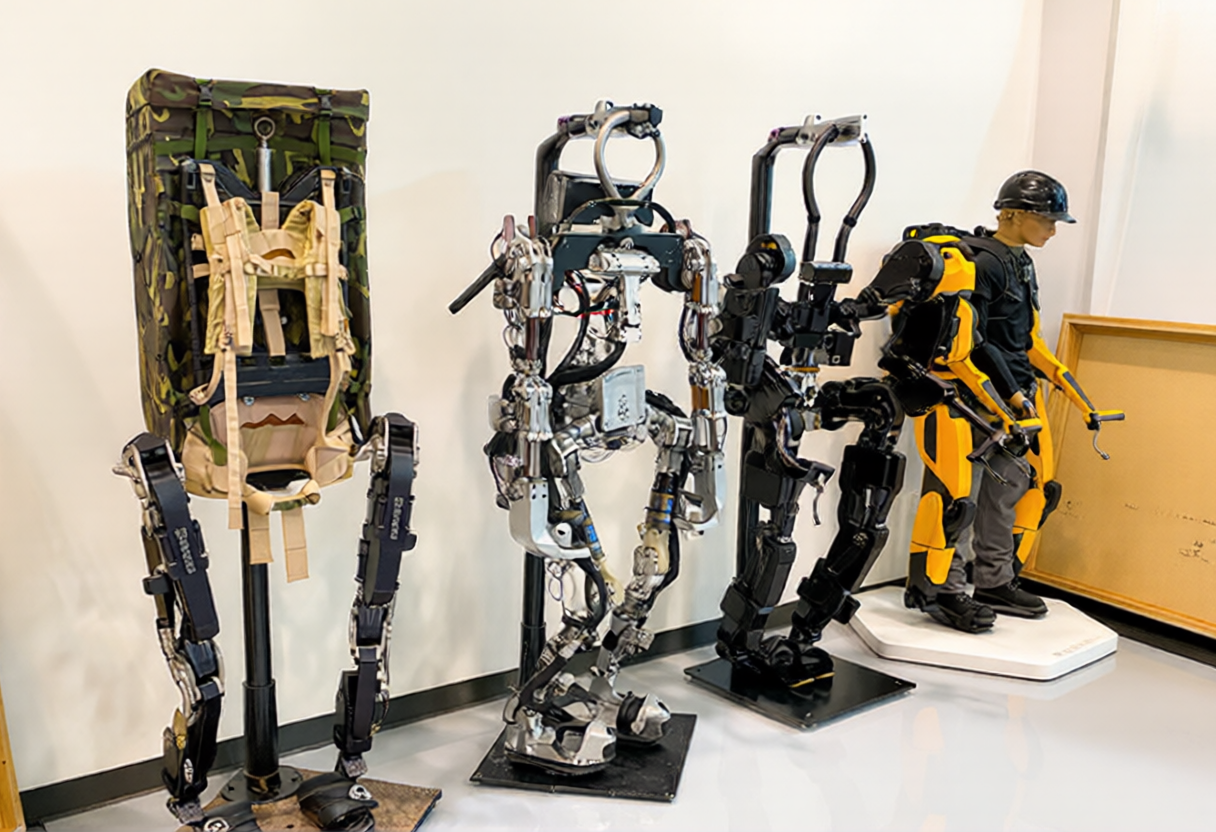
For years, robotic exoskeletons were the stuff of glossy trade show brochures and military pipe dreams. They were heavy, clumsy, and had the battery life of a cheap smartphone. But looking at the hardware hitting the ground, the industry has finally stopped trying to build a superhero suit and started building functional tools. The focus has shifted from raw power to intelligent assistance - a move away from rigid steel frames toward adaptive systems that actually understand how a human body moves.
AI and the death of rigid programming
The biggest bottleneck in previous generations was control logic. If the robot did not move exactly when you did, it became a 40-pound anchor. That is changing. AI integration is now the baseline, not a feature.
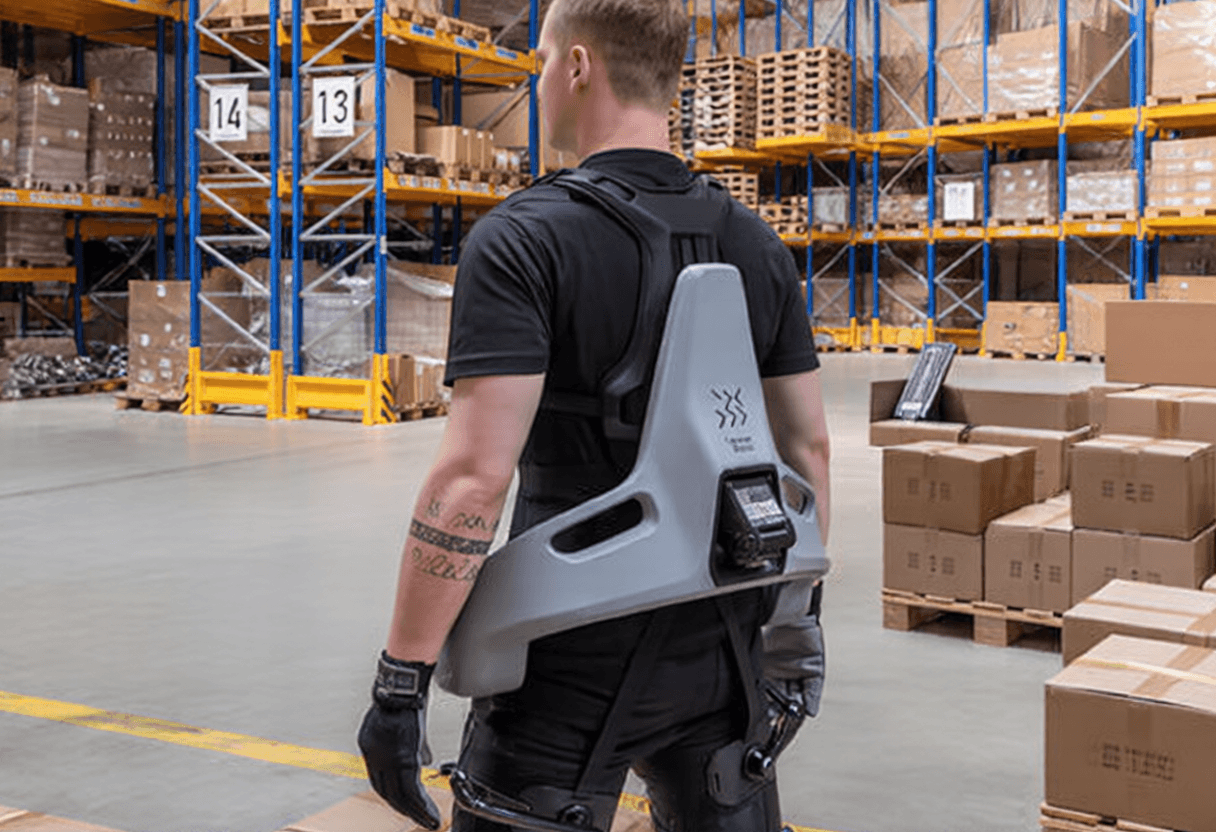
German Bionic's Exia exoskeleton is a prime example. This hardware offers dynamic lift support up to 38 kg per movement - and it does not just push with a fixed force. It uses proprietary Augmented AI trained on billions of anonymised real-world motion data points collected across manufacturing, logistics, airports, retail, and healthcare environments. If you are lifting a box, it knows. If you are just bending over to tie your shoe, it stays out of the way. Launched in May 2025 and showcased at CES 2026, Exia is designed as a universal, cloud-connected system - continuously improving through over-the-air software updates. This kind of nuanced, always-learning response is what makes a wearable robot actually wearable for an eight-hour shift.
Other players are focusing on efficiency through adaptive torque control. Stanford University researchers have developed ankle exoskeleton prototypes that provide a boost during the push-off phase of a stride. By learning an individual's specific walking pattern in real time through human-in-the-loop optimisation, these devices have achieved a 17% reduction in energy expenditure per distance travelled compared to normal shoes - the equivalent of taking off a 30-pound backpack. Commercial spinoffs like the Biomotum Spark are now translating this science into clinical hardware, demonstrating meaningful energy-cost reductions for users with conditions such as cerebral palsy on real-world terrain.
In engineering terms, the gap between a grueling hike and a casual stroll is starting to close.
Software-led ergonomics
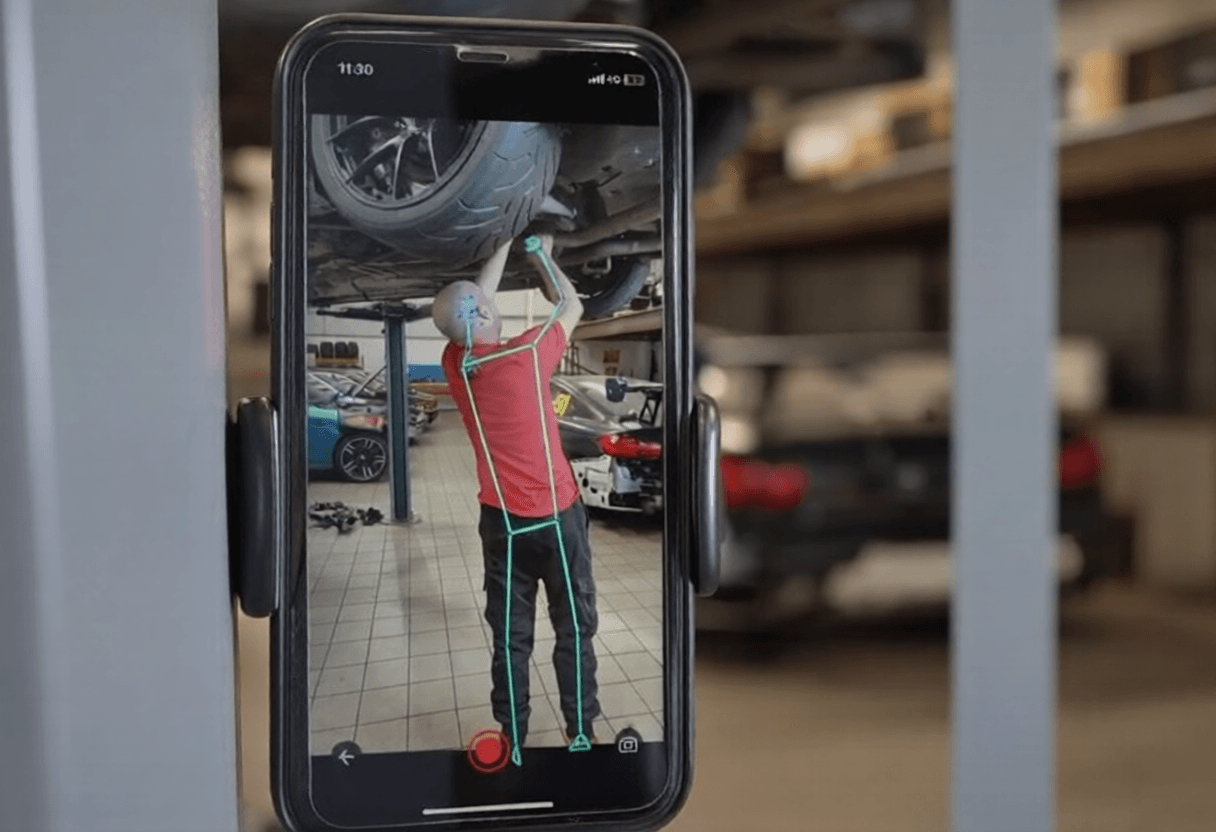
We are also seeing a rise in soft integration. Skelex offers ErgoScan AI, developed in partnership with Wearhealth, which uses video-based analytics to assess workplace musculoskeletal disorder (MSD) risks. This is the logical precursor to hardware deployment. You do not just throw a robot at a worker - you use software to find out where their body is failing and then deploy the exoskeleton as a specific fix for that mechanical stress. The result is a data-driven pipeline from risk identification to physical intervention.
Market realities and the bottom line
The money is finally following the technology. According to Grand View Research, the global exoskeleton market was valued at $590.02 million in 2025, projected to reach $694.46 million in 2026, and on a trajectory toward $1.79 billion by 2033 at a compound annual growth rate of 14.48%. Broader market estimates from other research firms place the total higher, depending on how wearable robotic categories are defined - but every forecast points in the same direction.
This growth is not coming from hobbyists. It is coming from two high-stakes sectors: healthcare and heavy industry. Powered exoskeletons held 71.40% of the revenue share in 2025 because that is where the utility is. Passive suits are fine for holding your arms up, but if you want to rebuild a nervous system or move 80-pound crates all day, you need motors and batteries.
North America currently dominates the market with roughly 44-47% of global revenue, driven by healthcare adoption and industrial safety investment. The Asia-Pacific region is growing fast, underpinned by government-backed digital transformation initiatives and a rapidly aging population.
Rehabilitation and clinical trials
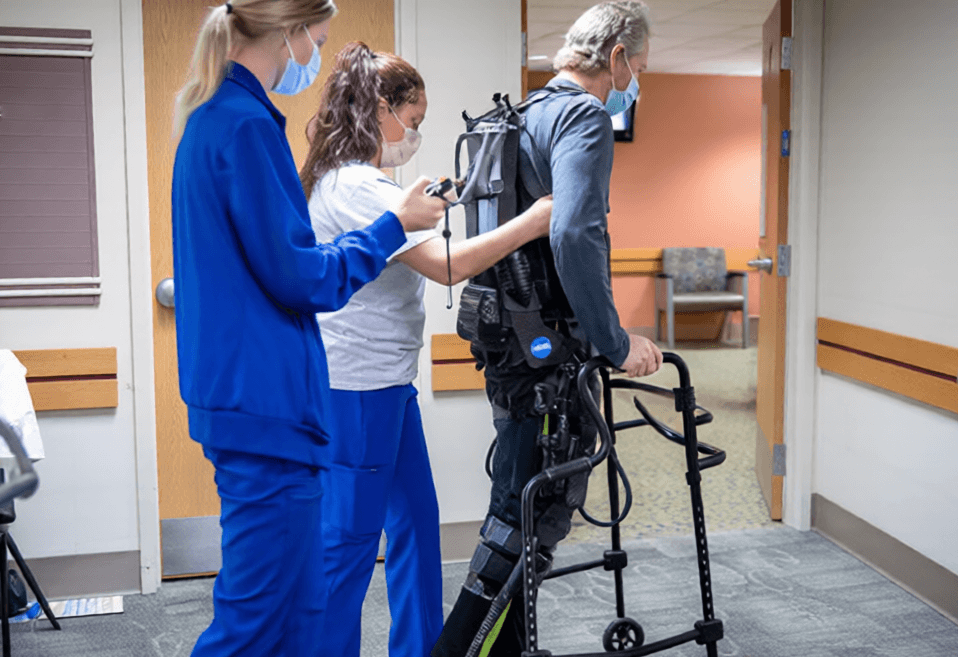
In the medical space, these machines are moving from cool gadgets to standard of care. Baylor University Medical Center in Dallas launched the REACT trial - Robotic Exoskeletons for Acute Care Therapy - in late 2025. It is the nation's first clinical trial evaluating robotic exoskeletons for early mobility after cardiovascular and thoracic surgery, examining whether the devices can help critically ill patients walk earlier and more often than traditional recovery methods allow. The technology was originally developed to help spinal cord injury patients, and researchers are now extending it into an entirely new clinical setting.
This is a shift in philosophy. Instead of waiting for a patient to be strong enough to walk, doctors use the robot to provide the strength - allowing the recovery process to start days or weeks earlier. The AI in these units actively supports muscles and nervous pathways by providing feedback on optimal movement patterns, which may significantly reduce the risk of re-injury during physical therapy.
Industrial safety and the 6 percent gain
On the factory floor, the math is simple: less fatigue equals fewer mistakes. New research from the National Safety Council - drawing on a survey of more than 400 frontline workers across manufacturing, construction, healthcare, and logistics - shows that workers using exoskeletons report 96% greater awareness of ergonomic risk factors and 80% improvement in posture. Exoskeletons and robots were the technologies most strongly associated with reduced MSD symptoms overall.
While a 6% increase in task productivity might not sound like a lot to a layman, in a high-volume logistics environment, that is a massive operational win. It is not about making workers move faster - it is about keeping them from slowing down as the shift nears its end. Companies are realising it is cheaper to buy a $5,000 suit than to pay for a lifetime of back surgeries.
The consumer push and the $4,500 price tag
We are finally seeing the first real consumer-grade hardware that does not require a specialised technician to operate. Dephy launched the Sidekick at CES 2026 in January, with units shipping from 25 January. At $4,500, it is not exactly an impulse buy, but it sits within the range of a high-end e-bike. The Sidekick is an ankle exoskeleton integrated with compatible footwear that detects and adapts to the wearer's gait, delivering a responsive boost with each step. It was designed to address what Dephy calls personal range anxiety - the quiet, often unspoken concern people develop about how far they can comfortably walk before fatigue sets in. At 1.4 kg per side, it provides over 445 N of joint offload and runs through three adjustable power levels with no app required for basic setup.
For older adults or anyone with mobility issues, the implications are significant.
Meanwhile, for outdoor enthusiasts, the Hypershell X series offers a 1.8-kilogram AI-driven exoskeleton targeting hikers and adventurers, claiming a 40% boost in leg strength and 800 watts of assistive power. In China, the trend has moved even faster. At Mount Tai - a mountain requiring climbers to scale more than 7,000 steps - a lightweight exoskeleton developed by Kenqing Technology and the Taishan Cultural Tourism Group was deployed for tourist rental at ¥60-80 (around $8-$11) per session. During peak holiday periods, demand exceeded supply, and average hiking time reportedly dropped by 40%. This is what the democratisation of exoskeleton technology looks like in practice: not a lab demo, but a rental kiosk at a national monument.
Soft exoskeletons and the next frontier
Not all progress is happening in powered, rigid systems. Soft exosuits - textile-based wearables using cables, pneumatics, or shape-memory materials to provide assistance - are gaining traction for applications that require more natural movement. Outdoor brand Arc'teryx has developed an exoskeleton in partnership with Skip; their MO/GO system integrates carbon-fibre robotic technology into exoskeleton trousers to power hikers uphill. The emergence of garment-integrated robotics signals that the next generation of these devices may not look like robots at all.
The line between performance apparel and powered exoskeleton is starting to blur, and that is exactly the direction the industry needs to go.
Hardware hurdles and the road ahead
Despite the progress, we are still fighting the laws of physics. Battery density remains the primary constraint. You can have the smartest AI in the world, but if your motors run out of juice in two hours, the suit becomes dead weight. Most current consumer units offer between two and five hours of assisted use on a single charge - acceptable for a hiking trip, but a genuine limitation for a full industrial shift.
To drive solutions, Hypershell has launched the HyperGo Fund, offering $100,000 for creators who can solve real-world movement and endurance challenges. Better materials and more efficient actuators are the engineering priorities. The appointment of experienced healthcare executives to boards - such as William J. Febbo joining Myomo - and product launches like the RoboCT GoGo-H suggest that the industry is professionalising its leadership to match the ambition of its hardware.
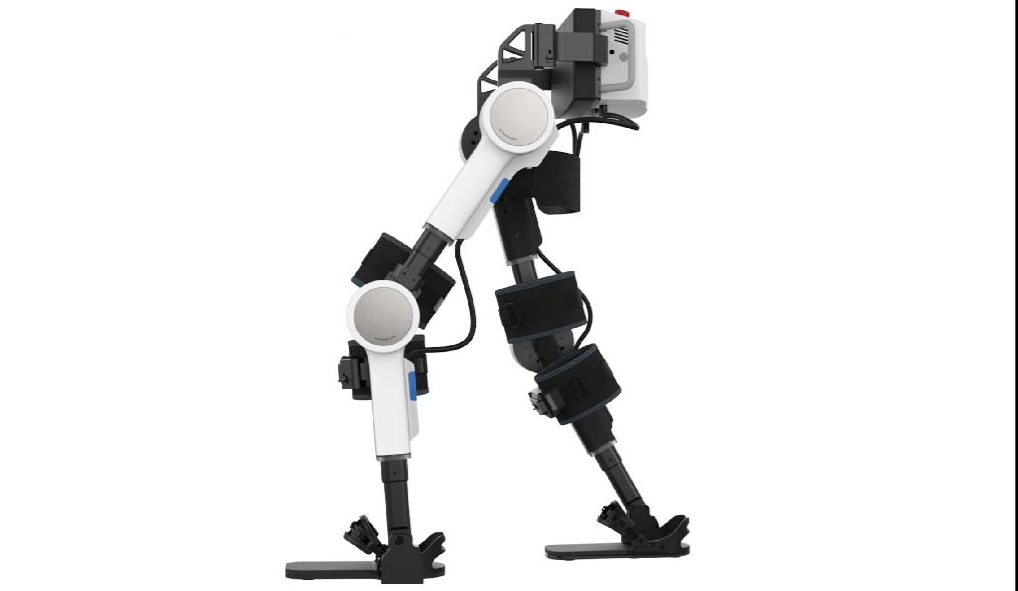
A second challenge is fit and universality. Most early exoskeletons were designed around a narrow range of body types. German Bionic's Exia addresses this directly, with new vest designs optimised for female physiology - a detail that matters enormously for adoption at scale.
Exoskeletons are no longer experimental. They are becoming specialised tools for specific mechanical problems: a Stanford-derived ankle brace for mobility, a German Bionic back support for logistics, a Dephy Sidekick for daily independence. In every case, the goal is the same - use AI to make the machine disappear so the human can just do the work.
Share now









Key takeaways
- The global exoskeleton market was valued at $590.02 million in 2025 and is projected to reach $694.46 million in 2026, with a CAGR of 14.48% through 2033 (Grand View Research).
- The market is on a trajectory toward $1.79 billion by 2033, driven by healthcare and industrial demand.
- Powered exoskeletons dominate the sector with a 71.40% revenue share as of 2025.
- North America leads the global market with approximately 44-47% of total revenue.
- German Bionic's Exia provides dynamic lift support up to 38 kg (84 lbs.) per movement using Augmented AI trained on billions of real-world motion data points.
- Stanford University research has demonstrated portable ankle exoskeletons that reduce energy expenditure by 17% per distance travelled - equivalent to removing a 30-pound backpack.
- Dephy launched the Sidekick at CES 2026 in January, with units shipping from 25 January at a price of $4,500.
- Industrial workers using exoskeletons report 96% greater awareness of ergonomic risk factors and 80% improvement in posture, according to a 2026 National Safety Council survey of 400+ frontline workers.
- Baylor University Medical Center launched the REACT trial in late 2025 - the USA's first clinical trial evaluating robotic exoskeletons for early mobility after cardiovascular and thoracic surgery.
- In China, AI-powered hiking exoskeletons developed by Kenqing Technology are available for rent at Mount Tai for ¥60-80 ($8-$11) per session, with demand exceeding supply during peak holidays.
- The Hypershell HyperGo Fund is offering $100,000 to creators who can solve movement and endurance challenges in exoskeleton technology.
Sources
- Grand View Research - Exoskeleton Market Size & Share https://www.grandviewresearch.com/industry-analysis/exoskeleton-market
- German Bionic - Exia unveiled (official press release) https://www.germanbionic.com/news/exia-unveiled
- German Bionic - Exia at CES 2026 https://www.germanbionic.com/news/ai-to-wear-german-bionic-presents-the-exia-robotic-exoskeleton-at-ces-2026
- Stanford News - Ankle exoskeleton portable device https://news.stanford.edu/stories/2021/04/ankle-exoskeleton-enables-faster-walking
- New Atlas - Stanford untethered exoskeleton https://newatlas.com/technology/stanford-exoskeleton-untethered-walking-boot/
- Skelex - ErgoScan AI https://www.skelex.com/skelex-360
- Engadget - Dephy Sidekick at CES 2026 https://www.engadget.com/wearables/these-robotic-sneakers-gave-me-a-surprising-boost-at-ces-174500005.html
- Exoskeleton Report - Dephy Sidekick specs https://exoskeletonreport.com/product/dephy-sidekick/
- NBC DFW - Baylor REACT trial https://www.nbcdfw.com/news/local/exoskeleton-technology-helps-patients-back-to-health/4008525/
- ClinicalTrials.gov - REACT-CVTS trial https://clinicaltrials.gov/study/NCT07353892
- EHS Today - NSC Frontline Worker MSD survey 2026 https://www.ehstoday.com/safety-technology/article/55372235/what-do-frontline-workers-think-about-safety-technology
- PR Newswire - NSC MSD Prevention Technology study https://www.prnewswire.com/news-releases/nsc-study-highlights-benefits-of-workplace-injury-prevention-technology-302734056.html
- Hypershell - Hypershell X product page https://hypershell.tech/en-us/pages/hypershell-x-exoskeleton
- Global Times - Kenqing Technology exoskeleton at Mount Tai https://www.globaltimes.cn/page/202502/1327967.shtml
- China Minutes - Exoskeleton robots at Chinese scenic spots https://chinaminutes.com/2025/05/15/exoskeleton-robots-go-viral-in-chinas-scenic-spots/
- Exoskeleton Report - April 2026 news roundup https://exoskeletonreport.com/2026/04/exoskeleton-news-april-4-2026-week-14-roboct-unvails-gogo-h-and-much-more/
- PMC - Biomotum Spark cerebral palsy study https://pmc.ncbi.nlm.nih.gov/articles/PMC11309519/
- Published 2026-04-18 17:11
- Modified 2026-05-20 22:13

-
Redaction