-
75
Views
-
1
Comments
-
1
Like
-
Bookmark

-
 Redaction
Germany's corporate insolvencies hit 20-year peak
Germany faces a 20-year high in corporate bankruptcies as of April 2026. The IWH reports 4,573 insolvencies, putting 54,000 industrial jobs at risk this quarter.
The first quarter of 2026 has delivered a sobering verdict on the state of the German economy. According to a report released by the Leibniz Institute for Economic Research in Halle (IWH) on April 9, 2026, the nation is witnessing a wave of corporate bankruptcies on a scale not experienced in over two decades. As the European economic powerhouse struggles to find its footing, the data suggests a structural shift rather than a temporary slump.
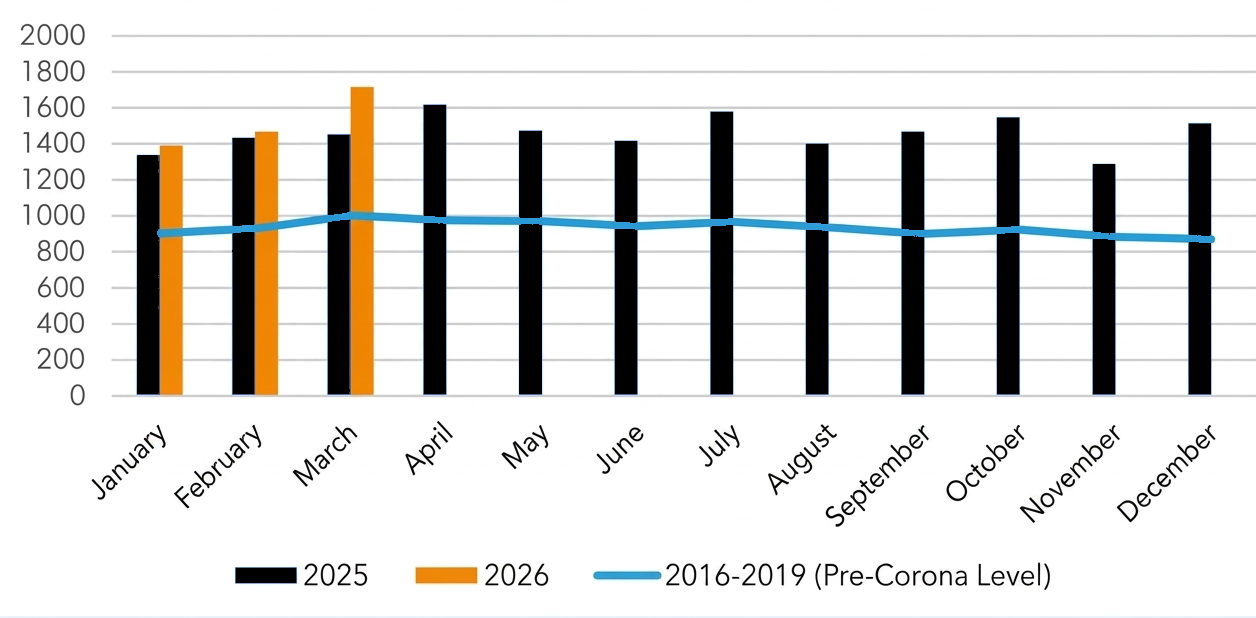
In the first three months of the year, 4,573 limited liability companies and partnerships filed for bankruptcy. This total marks the highest volume of insolvencies recorded in a single quarter since the third quarter of 2005. The magnitude of this surge has caught analysts' attention, as it surpasses the volatility seen during both the COVID-19 pandemic and the global financial crisis of 2009.
Employment in the crosshairs
The human cost of this economic contraction is increasingly visible. Data from the IWH indicates that these bankruptcy filings have placed approximately 54,000 jobs at risk. This figure represents the highest number of threatened positions since the third quarter of 2020. Unlike the pandemic-era disruptions, which were often mitigated by state-sponsored support and temporary closures, the current wave reflects a more permanent exit from the market for many established entities.
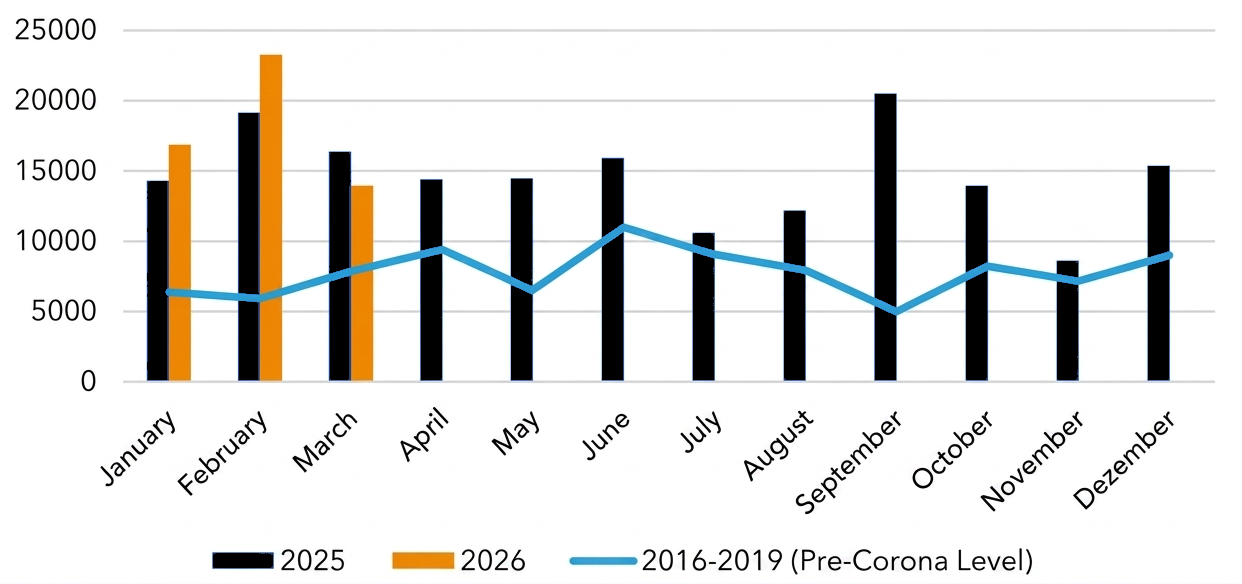
Experts at the Leibniz Institute emphasize that the current situation is more serious than previous historical downturns. The confluence of rising operational costs, energy transitions, and shifting global trade patterns has created a ‘perfect storm' for mid-sized firms, particularly those that form the backbone of Germany's industrial sector.
Manufacturing: The epicenter of the crisis
Consistent with trends observed in previous quarters, the manufacturing industry remains the most vulnerable segment of the economy. The IWH report notes that the largest percentage of jobs threatened by bankruptcies were concentrated in manufacturing firms. These companies, often highly specialized and integrated into global supply chains, are finding it increasingly difficult to navigate a landscape defined by higher interest rates and fluctuating demand.
In previous decades, the 'Mittelstand'-the small and medium-sized enterprises that define German industry-demonstrated remarkable resilience. However, the current data suggests that the pressures of 2026 are eroding the buffers that once protected these firms from liquidation. The manufacturing sector's struggle is particularly concerning for the broader economy, as it traditionally serves as the primary driver of exports and technological innovation.
Comparative analysis: Highest since 2005?
When comparing the current data to historical benchmarks, the Leibniz Institute experts draw a stark contrast. During the 2009 global financial crisis, government interventions and a rapid recovery in global trade helped stabilize German corporations. Similarly, during the 2020 pandemic, insolvency filing requirements were temporarily suspended to prevent a mass wave of collapses. In 2026, no such safety nets are actively stemming the tide.
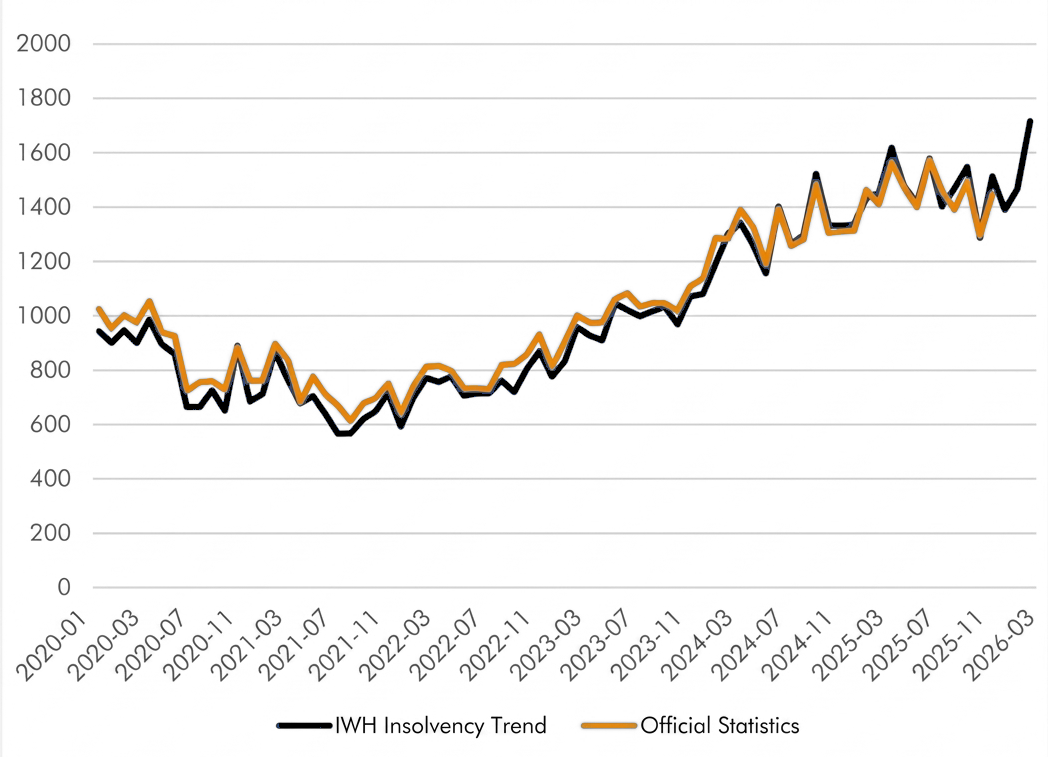
The fact that the current figures exceed the peaks of the 2005 era-a time when Germany was often referred to as the 'sick man of Europe' before its subsequent boom-suggests that the economic model is facing its most significant test in a generation. The lack of optimism in current forecasts indicates that the peak of this bankruptcy wave may not have been reached yet.
Implications for the near future
What these figures mean for the remainder of 2026 is a period of forced consolidation. As more companies exit the market, the ripple effects will likely be felt across banking sectors and consumer confidence. The IWH warns that the outlook for the coming months remains pessimistic, with the potential for further high-profile liquidations.
- Supply Chain Fragility: As manufacturing entities shutter, the remaining firms may face domestic supply bottlenecks, potentially increasing reliance on imports.
- Labor Market Pressure: While Germany has faced labor shortages recently, the sudden injection of 54,000 job-seekers from bankrupt firms could strain social safety nets in specific industrial regions.
- Policy Re-evaluation: The scale of the crisis may force a reassessment of current industrial policies, particularly those impacting energy costs and corporate taxation.
The data from the Leibniz Institute serves as a clear signal that Germany's long era of industrial stability is facing a difficult structural transformation. With bankruptcy rates at a 20-year high, the once-dominant narrative of the ‘German miracle' is giving way to a more complex story of adaptation and survival in an increasingly volatile global economy.
Share now







Key takeaways
- 4,573 companies filed for bankruptcy in Germany during the first quarter of 2026.
- This figure represents the highest number of insolvencies since the third quarter of 2005.
- Approximately 54,000 jobs were jeopardized by these filings, the highest count since 2020.
- The Leibniz Institute for Economic Research (IWH) reports the manufacturing sector suffered the most significant job threats.
Sources